



What is a Motorized Drift Trike? The Ultimate Guide for Thrill Seekers
A drift trike motorized is a three-wheeled vehicle engineered for controlled, sideways slides, powered by an electric or gasoline engine. It combines the visceral thrill of drifting with the accessible, stable platform of a trike. Unlike traditional go-karts or scooters, its primary purpose is not straight-line speed but the mastery of sustained, low-friction slides.
The evolution is clear: from homemade gravity-powered carts to today's purpose-built machines. Early drift trikes were often modified adult tricycles with PVC pipes slipped over the rear wheels. The modern motorized drift trike is a fusion of powersports engineering, featuring robust frames, powerful motors, and specialized components designed specifically for the abuse of drifting.
This guide will provide a data-driven breakdown of how these machines work, the critical differences between power systems, and the essential safety and legal considerations. You will learn the pros and cons of building versus buying, what performance to expect, and how to maintain your trike for long-lasting fun.
Key Components of a Motorized Drift Trike
Understanding the anatomy of a drift trike motorized is crucial for informed buying, building, and riding. Each component plays a specific role in delivering performance and safety.
The frame is the foundation, typically constructed from steel or aluminum. It must be strong enough to handle torsional stress during drifts and impacts. The steering system usually involves a direct linkage to the front wheel, offering immediate response critical for slide control.
The powertrain consists of the motor, controller (for electric), and drive system. Power is delivered to the rear axle, which is often a solid, non-differential axle to ensure both rear wheels break traction simultaneously. The braking system is vital; hydraulic or mechanical disc brakes on the front wheel are standard for controlled stopping power.
The cockpit features a seat, handlebars, and controls. For electric models, this includes a throttle, brake lever, and sometimes a display. Gas models have a throttle grip, brake, and clutch or kill switch. The final, defining component is the rear drift setup.
Electric vs. Gas-Powered Motors: Choosing Your Engine
The choice between electric and gas power defines the character, maintenance, and usage of your motorized drift trike. Each has distinct advantages tailored to different rider preferences.
Electric motors offer instant torque, providing immediate power for initiating and maintaining drifts. They are nearly silent, produce zero emissions, and require minimal maintenance—no oil, filters, or fuel mixing. Runtime is limited by battery capacity, typically offering 1-2 hours of ride time, with recharge times varying from 3 to 6 hours.
Gas-powered engines, often 50cc to 212cc predator-style, deliver longer runtimes limited only by fuel tank size. They offer a traditional combustion engine feel and sound. However, they require regular maintenance, are louder, produce fumes, and generally have a more complex throttle and clutch setup.
| Feature | Electric Motor | Gas-Powered Engine |
|---|---|---|
| Power Delivery | Instant, silent torque | Builds with RPM, audible |
| Runtime | 1-2 hours (battery dependent) | 3+ hours (fuel tank dependent) |
| Maintenance | Very low (battery care) | High (oil, air filter, spark plug) |
| Noise Level | Quiet (≤70 dB) | Loud (≥85 dB) |
| Environmental Impact | Zero direct emissions | Produces exhaust emissions |
| Ideal For | Suburban areas, parks, quick sessions | Rural property, long sessions, traditional feel |
The Drift Setup: Axles, Hubs, and PVC Sleeves
The defining feature of any drift trike motorized is its ability to drift predictably. This is achieved through a specific rear-axle configuration and low-friction sleeves.
The rear axle is typically a solid, live axle, meaning both wheels rotate together at the same speed. This "locked" differential is essential; it forces both rear wheels to break traction and slide simultaneously when cornering force is applied, initiating the drift.
The wheels themselves are often small, such as 10-inch diameter, and are fitted with hubs that allow PVC or HDPE sleeves to slide over them. These sleeves are the consumable component that makes drifting possible. They provide a hard, low-friction contact surface with the pavement.
PVC (Polyvinyl Chloride) is the most common material, prized for its low cost and predictable wear characteristics. HDPE (High-Density Polyethylene) sleeves are more durable and offer a slightly different slide feel. Sleeve life varies drastically: aggressive drifting on rough asphalt may wear them down in a few hours, while smoother surfaces can extend life to dozens of sessions.
Top Considerations Before You Buy or Build
Purchasing or building a motorized drift trike is a significant commitment. Beyond the excitement, practical considerations around safety, legality, and intended use are paramount for a responsible and enjoyable experience.
First, assess your skill level and physical capability. Drifting is an active sport requiring core strength and coordination to control the slide. The trike itself has no suspension, so rides are bumpy and physically engaging.
Second, honestly evaluate your access to a suitable riding location. These are not commuter vehicles. You need a large, smooth, paved area free of traffic, pedestrians, and obstacles. Empty parking lots, private driveways, or closed circuits are ideal.
Finally, consider the total cost of ownership. This includes not just the initial purchase or build cost, but also ongoing expenses like replacement drift sleeves, battery replacements (for electric), fuel and oil (for gas), tires, and brake pads.
Safety First: Essential Gear and Riding Practices
Operating a drift trike motorized involves low-speed slides but carries a real risk of falls and impacts. Comprehensive safety gear is non-negotiable, not optional.
A full-face helmet is the most critical piece of equipment. It protects your head and face from impacts with the ground or the trike itself. DOT or Snell certification is a must. Pair this with durable gloves, knee pads, and elbow pads to protect your extremities from abrasions.
Riding clothing should be robust—think long pants and a long-sleeved jacket made from abrasion-resistant materials like denim or motorcycle-grade textiles. Closed-toe shoes with good grip are essential for bracing during drifts.
Safe riding practices begin with a pre-ride inspection. Check tire pressure, test brakes, ensure all bolts are tight, and verify that drift sleeves are securely mounted and not overly worn. Always start in a wide-open area to practice basic throttle, steering, and brake control before attempting drifts. Never ride on public roads or in wet conditions.
Legal and Practical Usage: Where Can You Ride?
The legality of operating a motorized drift trike is a complex and crucial issue. In nearly all jurisdictions, these vehicles are not street-legal.
They lack standard automotive safety equipment like headlights, turn signals, mirrors, and a Vehicle Identification Number (VIN). They are not designed to meet Department of Transportation (DOT) standards for on-road use. Riding one on public streets, roads, or bike paths can result in fines, vehicle impoundment, and significant liability in the event of an accident.
The only appropriate and legal venues are private properties with the owner's explicit permission or designated, closed-course facilities like go-kart tracks or private race parks. Always check and adhere to local ordinances and regulations before riding. Responsible riding protects not only you but also the future of the sport.
Build vs. Buy: Analyzing Your Path to Ownership
The decision to construct your own drift trike motorized or purchase a complete model hinges on your technical skills, budget, time, and desire for customization versus convenience.
Building a trike can be a deeply rewarding project for a skilled hobbyist. It allows for total customization of every component, from motor power and frame geometry to seat position and paint. The process itself is a major part of the appeal.
Buying a ready-to-ride (RTR) trike from an established brand offers a turn-key solution. It delivers a professionally engineered, tested, and integrated vehicle that is ready for fun immediately, backed by warranties and customer support.
The DIY Route: Kits, Customization, and Challenges
The DIY approach to a motorized drift trike often starts with a kit or a set of plans. Frame kits provide the welded chassis, leaving you to source the drivetrain, wheels, and controls.
The primary appeal is unlimited customization. You can select a high-torque electric hub motor, a powerful gas engine, custom wheel sizes, or unique seating. For those with welding and fabrication skills, building from scratch is the ultimate expression.
However, the challenges are significant. Sourcing compatible, reliable components requires research. Electrical wiring for an electric trike must be done correctly to prevent shorts or fires. Mechanical assembly demands precision for safety. Tuning the drivetrain and brake system for optimal performance is a iterative process. The DIY route often has hidden costs and almost always takes far longer than anticipated.
The Ready-to-Ride Advantage: Reliability and Warranty
For riders seeking immediate, reliable fun without the project overhead, a pre-built drift trike motorized from a reputable brand is the superior choice. This path prioritizes tested performance, integrated safety, and peace of mind.
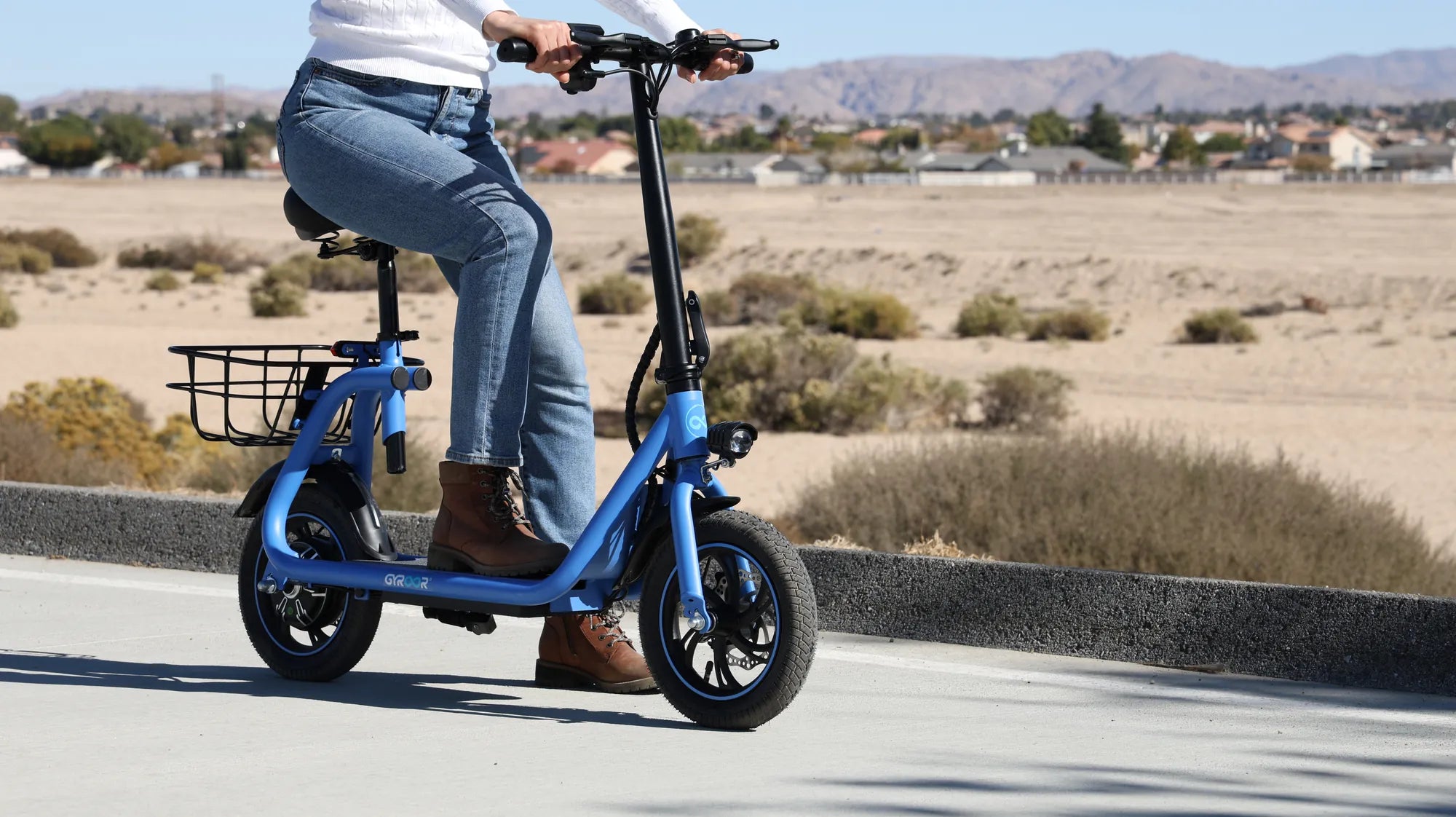
Brands like Gyroor, a leading electric scooter and e-bike brand trusted by over 100,000 riders, apply their expertise in personal electric vehicles to the drift trike segment. A ready-to-ride Gyroor trike benefits from engineered harmony between the motor, battery, controller, and frame, ensuring predictable and safe performance.
Key advantages include UL-certified battery packs tested for 500+ charge cycles, ensuring safety and longevity. An IPX5 water-resistant design protects critical electronics from dust and water spray. Most importantly, a comprehensive 1-year warranty provides protection against manufacturing defects, with accessible customer support. This eliminates the guesswork and risk inherent in a DIY build, offering a low-maintenance, worry-free adrenaline fix.
Performance and Upkeep: What to Expect
Managing expectations is key for new riders of a motorized drift trike. Performance is measured not just in top speed, but in controllability, torque, and durability.
Top speeds for consumer electric models typically range from 15 mph to over 30 mph. Gas-powered models can reach similar or slightly higher speeds. However, the thrill comes from drifting at much lower speeds—often 10-20 mph. The instantaneous torque of a well-tuned electric motor is particularly effective for kicking the rear end out and maintaining a slide.
Runtime varies. A quality electric trike with a 48V 20Ah battery may offer 1.5 to 2 hours of mixed riding. Gas models can run for 3+ hours on a full tank. Riding style drastically affects these numbers; constant aggressive drifting consumes power and fuel much faster than casual cruising.
Regular upkeep is straightforward but essential. A basic maintenance checklist includes: inspecting and tightening all frame and axle bolts before every ride; checking drift sleeves for excessive wear and replacing them; monitoring tire pressure and tread; testing brake function and pad wear; and for electric models, following proper battery charging/storage protocols. For gas models, regular oil changes and air filter cleaning are mandatory.
Frequently Asked Questions (FAQ)
1. Are motorized drift trikes street legal?
Almost never. They are designed and intended for use on private property or closed courses. They lack the lighting, signaling, registration, and safety equipment required for lawful use on public roads.
2. How much does a good motorized drift trike cost?
Prices vary widely. A basic DIY kit starts around $500-$800, not including motor and battery. A complete, ready-to-ride electric model from a reputable brand typically ranges from $1,500 to $3,000. High-performance or custom-built trikes can exceed this.
3. Is it hard to learn to drift?
The trike is designed to make drifting easy to initiate. The challenge is learning to control the slide using throttle modulation and counter-steering. It requires practice but is generally intuitive. Start in a large, open area at low speed.
4. How long do the PVC drift sleeves last?
Sleeve life is a consumable cost. On smooth asphalt, a set may last 10-20 hours of drifting. On rough concrete, they can wear down in just a few hours. It is advisable to always have a spare set on hand.
5. Can I add a motor to my existing pedal trike?
It is possible with conversion kits, but caution is advised. The trike frame and brakes must be robust enough to handle the increased speeds and stresses. Many adult trike frames are not designed for motorized use and could fail dangerously.
Conclusion: Finding Your Adrenaline Fix
A drift trike motorized offers a unique form of automotive-inspired fun, prioritizing skill and tactile feedback over outright speed. It delivers an accessible yet thrilling experience that bridges the gap between casual riding and motorsport.
The journey to ownership requires careful thought. Prioritize safety gear and responsible riding locations above all else. Evaluate your own mechanical aptitude and time to decide between the rewarding challenge of a DIY build and the instant, reliable gratification of a ready-to-ride model.
For those who value engineering integrity, safety certifications, and customer support, choosing a brand with a proven track record in electric mobility is the smartest path. Explore machines built with reliability in mind from the ground up.
Ready to experience controlled slides and pure riding joy? Browse the full Gyroor collection at gyroorboard.com to discover electric drift trikes and other premium rideables designed for performance and backed by a 1-year warranty, trusted by a community of over 100,000 riders.
Mobility Scooter Ratings: The Ultimate Guide to Performance, Safety, and Value
Ultralight Mobility Scooter: The Complete Guide to Portable Freedom