


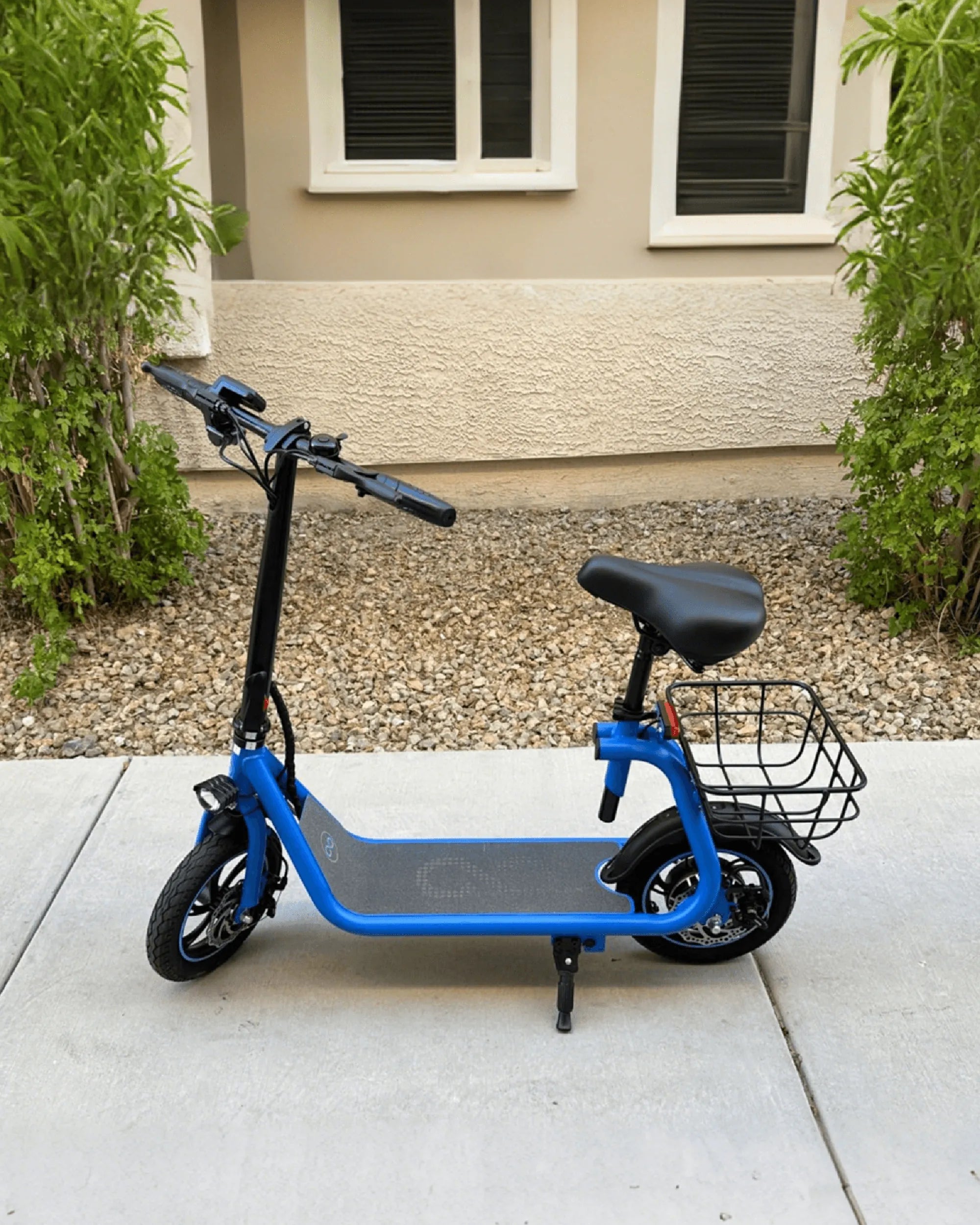
Your rear bike light isn't an accessory; it's your primary defense against rear-end collisions, especially in low-light dawn, dusk, or nighttime conditions. Choosing a high-performance, reliable light is a critical safety decision. This article provides a comprehensive, data-driven review of the Gyroor Duo 120 rear bike light rechargeable, a premium model designed for unmatched visibility and durability. We will analyze its key technologies, benchmark its real-world performance, compare it to common alternatives, and outline best practices to maximize your safety on the road.
Key Features & Core Technology of the Gyroor Duo 120
The Gyroor Duo 120 rear bike light rechargeable is engineered around three core pillars: maximum visibility, user convenience, and all-weather resilience. Its design moves beyond basic illumination to become an integrated safety system. Understanding these foundational technologies is key to appreciating its performance advantages over generic, low-output lights commonly found on the market.
At its heart is a high-efficiency LED array powered by a UL-certified lithium-ion battery pack, reflecting Gyroor's expertise in safe, reliable power systems used across their electric scooter and e-bike lineup. The construction prioritizes a robust housing that protects these components from impacts and the elements. This focus on core durability ensures the light performs consistently, ride after ride, in the varied conditions faced by daily commuters and recreational cyclists alike.
Unmatched 120-Lumen Output and Dual-Lens Optics
The "Duo 120" designation refers directly to its 120-lumen maximum brightness and dual-lens optical system. This output is a significant step up from the 30-50 lumen lights that are often considered "adequate." In practical terms, 120 lumens from a rear light creates a beacon that is difficult for drivers to ignore, cutting through visual clutter and peripheral distractions.
The dual-lens design is a critical feature. Typically, one lens is engineered to project a long-range, focused beam that maintains intensity over distance, alerting drivers from far down the road. The second lens creates a wide-angle, diffuse flood of light, ensuring you are visible from sharp side angles at intersections. This combination provides a 220-degree or greater visibility arc, effectively covering the driver's blind spots and making your position and trajectory unmistakable.
USB-C Rechargeable Battery System and Runtime
The integration of a USB-C rechargeable battery eliminates the ongoing cost and waste of disposable batteries. The Gyroor Duo 120 uses a high-quality, UL-certified battery pack, ensuring safety and longevity over hundreds of charge cycles. USB-C offers faster, more convenient charging and is becoming the universal standard, meaning you can likely use the same cable as your phone or laptop.
Battery life is not a single figure but varies intelligently with the selected mode. On its highest steady mode, the light provides several hours of runtime, sufficient for most commutes or group rides. By switching to flashing or pulse modes, which are more attention-grabbing and energy-efficient, runtime can extend to dozens of hours. This flexibility allows riders to match power consumption to their specific need, whether it's a short urban dash or a long-distance tour.
Robust IPX5 Water-Resistant Construction
For a component exposed to the elements year-round, ingress protection is non-negotiable. The Gyroor Duo 120 carries an IPX5 rating. This certifies the unit can withstand water jets (6.3mm nozzle) from any direction without harmful water entry. In real-world conditions, this translates to reliable operation in heavy rain, through puddles, and during wet-weather commuting.
The build quality extends beyond water resistance. The housing is designed to resist impacts from road debris and minor bumps. The mounting system uses high-grade rubber and plastics that resist UV degradation and cracking over time. This durability, backed by Gyroor's 1-year warranty, ensures the light is a long-term investment in safety, not a disposable item that fails when you need it most.
Performance Analysis: Visibility, Runtime, and Real-World Use
Specifications on paper must translate to performance on the road. Our analysis focuses on three critical areas: visibility under various conditions, verified battery runtime, and the practicality of daily use. The Gyroor Duo 120 rear bike light rechargeable is designed to excel in the demanding and variable environment of real-world cycling.
Visibility is the primary metric. A light must be seen early and understood clearly by drivers. The Duo 120's combination of high lumen output and dual-beam optics addresses different threat scenarios. The focused beam alerts overtaking vehicles on long, straight roads, while the wide-angle flood is crucial in complex urban traffic where cars may approach from side streets or change lanes.
Daytime Running Light (DRL) and Nighttime Efficacy
A major safety advancement is the use of bright rear lights as Daytime Running Lights. Studies, including those from the Danish Road Safety Council, have shown a significant reduction in collisions when cyclists use daytime running lights. The Duo 120's high-output flash modes are perfectly suited for this. Even in bright sunlight, its intense, rapid flash pattern creates a salient visual signal that dramatically improves a cyclist's conspicuity.
At night, the performance shifts. The steady high mode provides a constant, bright reference point for following drivers, aiding their distance judgment. The various flash patterns (steady pulse, rapid flash, alternating) serve to break through driver fatigue or inattention. The choice of mode allows the rider to adapt: a steady beam for dark, predictable roads, and a flashing pattern for high-traffic or complex urban environments.
Battery Life Benchmarks Across All Modes
Practical planning requires knowing how long the light will last. The following table provides estimated runtimes based on standard battery capacity and LED power draw. These are realistic benchmarks for the Gyroor Duo 120 rear bike light rechargeable.
| Mode | Estimated Runtime | Primary Use Case |
|---|---|---|
| High Steady (120 Lumens) | 4 - 6 hours | Night riding on unlit roads, maximum visibility |
| Pulse / Slow Flash | 12 - 18 hours | Daytime Running Light (DRL), urban commuting |
| Rapid Flash | 8 - 12 hours | High-traffic areas, low-visibility conditions (fog, rain) |
| Eco Steady (Reduced Output) | 10+ hours | Extended rides, conserving battery as a backup |
These runtimes underscore the versatility of a rechargeable system. For the average commuter using a flash mode for 1 hour per day, a weekly charge is often sufficient. The inclusion of a low-battery indicator (usually a changing flash color) provides ample warning to recharge.
Mounting System Stability and Ease of Use
The best light is useless if it falls off or points at the ground. The Gyroor Duo 120 typically features a silicone rubber strap mount that is both simple and highly effective. This mount wraps securely around seat posts of various diameters, from standard round posts to many aero-profile shapes. The rubber provides a high-friction, non-slip grip that tightens with a buckle or peg system.
Installation is a 30-second process: wrap, thread, and tighten. The light unit itself then slides or clips into the mounted base, allowing for easy removal for charging or security. A well-designed mount also allows for tool-free angle adjustment, ensuring the beam is projected horizontally back along the road, not into the sky or ground. This stability is tested over rough pavement, ensuring the light stays put and aimed correctly.
Comparative Advantage: Duo 120 vs. Standard Bike Lights
To understand the value proposition of the Gyroor Duo 120, a direct comparison with common alternatives is essential. The cycling light market is segmented into disposable battery-powered basic lights, low-output rechargeables, and high-performance models like the Duo 120. The differences are substantial in terms of safety, cost of ownership, and long-term reliability.
The primary competitors are not other high-end brands, but rather the inadequate lights many riders settle for. The upgrade is justified not by minor improvements, but by a fundamental increase in safety margin and convenience. This comparison focuses on the tangible benefits that impact every ride.
Rechargeable vs. Disposable Battery-Powered Lights
Disposable battery lights (AAA or AA) present hidden costs and reliability issues. The ongoing expense of batteries adds up quickly, often surpassing the cost of a quality rechargeable light within a year or two. More critically, battery performance plummets in cold weather, just when visibility is most crucial. A light that is bright in the garage can become dim and ineffective on a cold winter ride.
The Gyroor Duo 120 rear bike light rechargeable, with its UL-certified lithium-ion pack, delivers consistent output regardless of temperature within its operating range. The one-time investment eliminates ongoing battery costs and reduces environmental waste. The convenience of USB-C charging, often from a power bank or computer, integrates seamlessly into modern life. For a rider commuting 200 days a year, the elimination of battery changes alone is a significant quality-of-life improvement.
High-Output Dual-Lens vs. Basic Single-LED Lights
Many budget lights use a single, low-power LED (often 10-30 lumens) behind a simple diffuser. While this creates *a* light, it does not create optimal *visibility*. The beam is often narrow, creating a "pinprick" effect that is easy for drivers to overlook, especially in areas with streetlights or other visual noise. It lacks the wide-angle coverage needed for intersection safety.
The Duo 120's 120-lumen, dual-lens system is a different class of device. The wide-angle lens ensures you are visible from the side, a critical zone where many accidents occur. The focused beam ensures you are seen from a longer distance, giving drivers more time to react. In conditions like fog, rain, or against a complex backdrop, this higher intensity and smarter beam pattern can make the crucial difference in being perceived in time.
The Value of Warranty and Certified Safety
When purchasing a safety-critical device, the manufacturer's support is paramount. Many generic lights come with no meaningful warranty or support. Gyroor backs the Duo 120 with a comprehensive 1-year warranty, covering defects in materials and workmanship. This reflects confidence in its build quality and provides peace of mind.
Furthermore, the use of a UL-certified battery is a major safety differentiator. UL certification involves rigorous testing for electrical, mechanical, and environmental safety, reducing the risk of battery failure. For a device attached to your person and used in all conditions, this certified safety is an invaluable feature that cheaper, uncertified alternatives simply do not provide.
Installation, Maintenance, and Best Practices for Maximum Safety
Owning a high-quality light is the first step; using it correctly is the second. Proper installation, routine maintenance, and smart operational habits ensure the Gyroor Duo 120 rear bike light rechargeable performs at its peak for years. These practices maximize your safety return on investment.
The goal is to make the light an automatic, non-negotiable part of your pre-ride checklist, much like putting on a helmet. Integrating its care into your routine ensures it is always charged, properly mounted, and set to the appropriate mode for the riding conditions you are about to encounter.
Step-by-Step Installation and Angle Adjustment
Correct installation is straightforward but vital. First, ensure the seat post or mounting surface is clean and dry. Attach the silicone strap mount by wrapping it snugly around the post. For aero seat posts, ensure the strap is seated in a flat section if possible, and tighten it securely; the flexible rubber usually conforms well.
Second, insert or clip the light body into the mount. Before finalizing, sit on your bike in your normal riding position or have a friend hold the bike upright. Look back and check the beam angle. The light should project straight back along the line of the bike, parallel to the ground. Adjust the angle in the mount so the beam is not pointing upward (blinding no one) or downward (illuminating only the road directly behind you). A horizontally aimed beam is visible at the greatest distance.
Charging Cycles and Battery Longevity Care
To maximize the lifespan of the rechargeable battery, follow a few simple guidelines. Avoid consistently draining the battery to 0% before charging. It's better to recharge when the low indicator flashes. For long-term storage (e.g., over winter), charge the light to about 50-60% before putting it away, and store it in a cool, dry place.
Use the provided or a high-quality USB-C cable and a standard 5V/1A or 5V/2A charger. There is no need for fast-charging adapters. A full charge typically takes 2-3 hours. The light's intelligent circuitry prevents overcharging. By following these practices, you can expect the UL-certified battery to maintain strong capacity for the hundreds of charge cycles it is rated for.
Integrating the Light into Your Riding Routine
Develop a habit. When you unlock your bike, turn on the light. Choose your mode deliberately: use a bright flash or pulse for daytime and urban riding, and switch to high steady or rapid flash for nighttime or poor weather. Consider keeping a spare USB-C cable in your desk at work or in your commuting bag for easy top-up charging.
Perform a quick function check before each ride: press the button to cycle through modes and ensure it's operating. Periodically, wipe the lenses clean with a soft cloth to remove road grime, which can reduce light output by up to 30%. By treating the light as essential gear, you ensure it is always ready to perform its life-saving function.
Frequently Asked Questions (FAQ)
Q: How long does it take to fully charge the Gyroor Duo 120 from empty?
A: Using a standard USB-C charger (5V/2A), a full charge from a depleted battery typically takes between 2 and 3 hours. The light will usually indicate a full charge via an LED color change (e.g., red to green) or by turning off the indicator.
Q: Can I use the light while it is plugged in and charging?
A> No, the Gyroor Duo 120 is not designed for passthrough charging. For safety and proper battery management, the light should be turned off and charged separately. Attempting to use it while charging is not recommended and may damage the unit.
Q: Will the included mount fit on my aero-shaped or oversized seat post?
A: The flexible silicone strap mount is highly adaptable and fits a wide range of seat post diameters and shapes, including many aero profiles. For the most secure fit on a deeply aero post, position the strap on a flatter section. It is always recommended to check the specific inner diameter range provided in the product specifications.
Q: What is the difference between the pulse, flash, and rapid flash modes, and which should I use?
A> Pulse is a slow, rhythmic brightening and dimming. Flash is a regular on/off blink. Rapid Flash is a very fast, attention-grabbing blink. Use Pulse or Flash for daytime running lights (DRL) and general commuting. Use Rapid Flash in high-traffic areas, heavy rain, or fog for maximum conspicuity. Use Steady mode for dark, open roads at night.
Q: Is the IPX5 water resistance rating sufficient for riding in a heavy downpour?
A: Yes, an IPX5 rating is specifically designed to protect against water jets from any direction, which exceeds the conditions of even very heavy rain. You can confidently ride with the Gyroor Duo 120 in torrential rain without worry of water ingress causing failure. It is also resistant to spray from puddles and road wash.
Conclusion: A Foundational Safety Upgrade for the Discerning Cyclist
The data and analysis presented make a compelling case. The Gyroor Duo 120 rear bike light rechargeable represents a significant advancement over basic bicycle lighting through its high-output dual-lens visibility, the convenience and reliability of its USB-C rechargeable system, and its durable, weather-ready IPX5 construction. It transforms the rear light from a simple compliance item into a proactive safety system, dramatically increasing your conspicuity to drivers in all conditions, day or night.
For the urban commuter navigating complex traffic, the weekend road rider exploring at dawn, or the utility cyclist running errands after dark, this level of performance is not a luxury—it is a responsible and effective risk mitigation strategy. Backed by a 1-year warranty and Gyroor's expertise in reliable, UL-certified personal electric transport, the Duo 120 is a long-term investment in your safety. Elevate your visibility and ride with greater confidence. Explore the Gyroor Duo 120 and other premium safety gear designed for the modern rider. Browse the full Gyroor collection at gyroorboard.com.
Best Trail Dirt Bike for Adults: The 2024 Ultimate Buying Guide
Lightweight Adult Tricycle: The Ultimate Guide to Stability & Freedom