



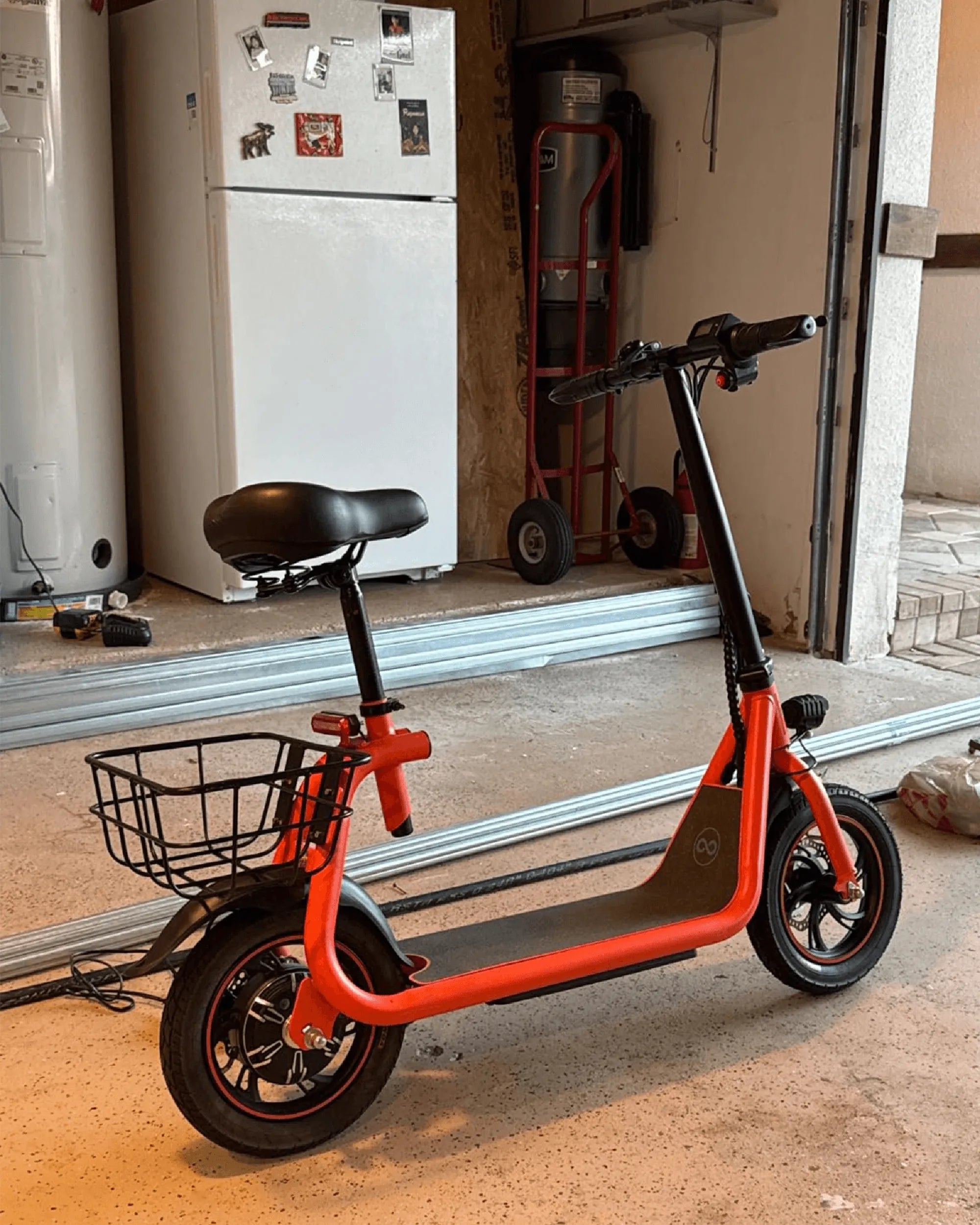
Introduction to the 25 km/h E-Bike: The Perfect Urban Commuter Speed?
An e bike 25 km h is not a slow bicycle; it's a precisely calibrated vehicle for modern city life. This speed, equivalent to 15.5 miles per hour, has emerged as the dominant standard for pedal-assist electric bicycles across Europe and is a key classification in North America. It represents a critical engineering and regulatory compromise that balances rider safety, traffic integration, battery efficiency, and practical utility. For the daily commuter, this isn't about top speed—it's about consistent, reliable, and legal transportation that gets you to your destination without sweat, stress, or legal complications.
The prevalence of the 25 km/h limit is no accident. It aligns with the average speed of a fit cyclist, allowing e-bikes to integrate seamlessly into existing bicycle infrastructure. This speed is fast enough to significantly reduce commute times compared to walking or traditional cycling, yet slow enough to maintain safety on shared-use paths and in mixed traffic. Choosing an e bike 25 km h is a decision for pragmatic, sustainable mobility.
This article will dissect the rationale behind this specific speed class. We will explore the regulatory landscape that defines it, the tangible benefits it offers riders, and how leading manufacturers design for optimal performance within this parameter. Understanding the e bike 25 km h framework is key to selecting the right electric bicycle for your needs, ensuring years of compliant and enjoyable riding.
Why 25 km/h? Understanding the Global Regulatory Framework
The 25 km/h threshold is primarily a legal construct designed to define where an electric bicycle ends and a more regulated vehicle begins. In the European Union, the EN15194 standard defines an Electrically Power Assisted Cycle (EPAC). For an e-bike to be classified as an EPAC, the motor must cut off its assistance precisely when the bicycle reaches 25 km/h. The rider can pedal faster, but the motor will not provide any additional boost. This classification allows the vehicle to be treated as a conventional bicycle, with no need for a driver's license, vehicle registration, or mandatory insurance.
In North America, a similar logic applies under the three-class system. A Class 1 electric bicycle provides assistance only when the rider is pedaling and ceases assistance at 20 mph (32 km/h) in the US, though many local jurisdictions and the Canadian federal model align closely with the 25 km/h (15.5 mph) European standard for lower-speed access. Class 1 e-bikes are typically granted access to the same infrastructure as traditional bikes. The e bike 25 km h specification, therefore, is a passport to accessibility, allowing riders to use bike lanes and paths without restriction.
This regulatory clarity is crucial for consumer protection and urban planning. It gives manufacturers a clear target for design and certification. It gives cities a framework for infrastructure development. Most importantly, it gives riders confidence that their vehicle is legal to use on their intended routes. The 25 km/h limit is the cornerstone that has enabled the massive adoption of e-bikes as legitimate transportation tools, not just recreational toys.
The Legal and Practical Implications of the Speed Class
Adhering to the e bike 25 km h class carries significant practical advantages. Firstly, age restrictions are minimal; in most regions, anyone old enough to ride a traditional bicycle can ride a Class 1/EPAC e-bike. Mandatory helmet laws often differ for these classes, with many places requiring helmets only for younger riders on lower-speed e-bikes. From an insurance perspective, they are rarely required, as the e-bike is covered under standard household or bicycle insurance policies.
Secondly, the allowed riding areas are maximized. A compliant e bike 25 km h can go anywhere a regular bicycle can go: dedicated bike paths, multi-use trails, and city streets. This freedom is not always granted to higher-speed classes (like US Class 3, which caps at 28 mph), which may be restricted from certain paths for safety reasons. For the urban commuter, this unrestricted access is often more valuable than a higher top speed that can't be legally or safely used.
The Practical Benefits of the 25 km/h Limit for Riders
Beyond legality, the e bike 25 km h specification delivers profound user benefits centered on efficiency, safety, and longevity. The most direct impact is on battery range. Electric motors consume power exponentially as speed increases due to air resistance. By capping assist at a moderate 25 km/h, the motor operates in its most efficient zone, dramatically extending the distance possible on a single charge. A rider can expect 30-50% more range from the same battery compared to consistently riding at 35-40 km/h.
Safety is inherently enhanced at this speed. Reaction times are longer, stopping distances are shorter, and the kinetic energy in a potential collision is significantly reduced. This makes the e bike 25 km h ideal for navigating congested city streets, interacting with pedestrians on shared paths, and handling unexpected obstacles. It's a speed that promotes situational awareness and coexistence with other road and path users.
Component wear and tear is also minimized. Brakes, tires, and drive systems experience less stress at 25 km/h than at higher speeds. This leads to lower maintenance costs and greater long-term reliability. The riding experience is also more comfortable; wind blast and vibration are less pronounced, making for a more pleasant commute without requiring specialized cycling apparel. This speed class effectively optimizes the total cost of ownership and the quality of the daily ride.
Gyroor's Engineering Philosophy: Optimized Performance at 25 km/h
Gyroor approaches the e bike 25 km h category not as a limitation, but as an engineering focus. Instead of chasing headline-grabbing top speeds, Gyroor designs its e-bikes to deliver exceptional performance within the 0-25 km/h envelope. This means prioritizing high torque for confident hill starts and smooth acceleration from traffic lights, ensuring a responsive and powerful feel where it matters most in urban environments. The motor tuning is calibrated for seamless pedal assist that feels natural and provides just the right amount of boost.
The brand's commitment is to reliable, daily transportation. Every design decision, from frame geometry to component selection, is made with the commuter in mind. This results in e-bikes that are comfortable for hour-long rides, equipped with practical features like integrated lighting, cargo racks, and fenders. For over 100,000 riders across North America and Europe, Gyroor has become synonymous with trustworthy electric mobility that fits seamlessly into daily life, perfectly embodying the practical spirit of the e bike 25 km h.
The Gyroor Difference: Safety, Durability, and Support
Gyroor distinguishes itself in the e bike 25 km h market through three core pillars: certified safety, robust durability, and unwavering support. First is the use of UL-certified lithium-ion battery packs. This certification, achieved after rigorous testing for over 500 charge cycles, is a non-negotiable safety standard. It guarantees protection against overheating, short-circuiting, and ensures stable power delivery throughout your ride, providing peace of mind that is critical for a vehicle used daily.
Second is the IPX5 water-resistant rating applied to key electrical components. Urban commuting means facing rain, puddles, and road spray. An IPX5 rating means the e-bike can withstand water jets from any direction, ensuring reliability in all weather conditions. This durability is essential for a tool, not a toy. Finally, Gyroor backs its engineering with a comprehensive 1-year warranty and US-based customer support. This commitment guarantees long-term value and ensures that your investment in an e bike 25 km h is protected, making Gyroor a leader in dependable urban electric transportation.
Data-Driven Comparison: 25 km/h vs. Higher-Speed E-Bikes
Choosing the right e-bike requires understanding the trade-offs. The following table contrasts the key characteristics of a standard e bike 25 km h (Class 1/EPAC) with a typical higher-speed e-bike (e.g., US Class 3 or S-Pedelec).
| Feature | E-Bike 25 km/h (Class 1/EPAC) | Higher-Speed E-Bike (e.g., Class 3/S-Pedelec) |
|---|---|---|
| Top Motor-Assisted Speed | 25 km/h (15.5 mph) | 45 km/h (28 mph) or more |
| Typical Range* | High (50-100 km) | Moderate to Low (30-70 km) |
| Legal Classification | Bicycle (usually) | Moped/Light Vehicle (often) |
| License/Registration Required | No | Often Yes |
| Allowed on Bike Paths/Trails | Yes (generally) | Often Restricted or Prohibited |
| Insurance Requirement | No (typically) | Frequently Yes |
| Primary Use Case | Urban Commuting, Errands, Leisure | Long-Distance Commuting, Speed-Focused Recreation |
| Relative Cost (Purchase & Ownership) | Lower | Higher |
*Range varies significantly based on battery capacity, rider weight, terrain, and assist level.
This comparison highlights that the e bike 25 km h is optimized for accessibility and utility. The higher-speed model offers greater velocity but at the cost of legality on many routes, reduced range, and increased regulatory burden. For most urban and suburban riders, the practical benefits of the 25 km/h class far outweigh the allure of a higher top speed that cannot be safely or legally utilized on their regular routes.
Maximizing Your 25 km/h E-Bike Experience: Tips for Range and Safety
To get the most from your e bike 25 km h, smart riding and maintenance practices are key. For maximizing range, start with proper tire inflation. Under-inflated tires create rolling resistance that drains the battery. Use the appropriate level of pedal assist; for flat terrain, a lower assist level (Eco or 1) can dramatically extend your range. Smooth, anticipatory acceleration and braking conserve momentum and energy. Finally, managing cargo weight directly impacts energy consumption.
Safety is paramount. Always perform a pre-ride check: test brakes, ensure tires are inflated, and verify that lights are functional. Use the integrated lighting day and night to increase visibility. Wear a helmet regardless of local laws—it's your most important piece of safety equipment. Practice defensive riding, assume you are not seen by drivers, and obey all traffic laws. Your e bike 25 km h is a vehicle, and riding it responsibly ensures your safety and that of others.
Regular maintenance ensures longevity. Keep the bike clean, especially the drivetrain and brake surfaces. Check and tighten bolts periodically. Have the bicycle professionally serviced at least once a year, focusing on brake adjustments, gear indexing, and bearing checks. Properly store the bike in a dry place and avoid leaving the battery fully depleted or at 100% charge for extended periods; aim for a 50-80% charge for long-term storage.
Frequently Asked Questions (FAQ)
Can the 25 km/h speed limiter be removed or modified?
While technically possible on some models, removing or modifying the speed limiter is strongly discouraged and almost always illegal. It will reclassify the vehicle, potentially voiding its certification, your warranty (including Gyroor's comprehensive 1-year coverage), and your insurance. It also stresses the motor and battery beyond their designed parameters, leading to premature failure and serious safety risks, particularly with the battery system.
Is 25 km/h fast enough for a hilly commute?
Absolutely. The capability on hills is determined by motor torque (measured in Newton-meters, Nm), not just top speed. A high-torque motor in an e bike 25 km h will provide powerful assistance for climbing. The assist will cut off at 25 km/h, but on a steep hill, you'll likely be traveling well below that limit, with the motor working at its peak torque to help you ascend comfortably. When selecting a bike, pay close attention to the motor's torque rating for hilly areas.
How far can I realistically travel on a single charge at this speed?
Range is influenced by battery capacity (Watt-hours, Wh), rider weight, terrain, wind, tire pressure, and assist level. At a steady 25 km/h on flat ground using moderate assist, a typical 500Wh battery can provide 70-100 km of range. In hilly areas or using maximum assist, range may drop to 40-60 km. Gyroor's UL-certified batteries are designed for consistent performance throughout the charge cycle, giving you reliable and predictable range for planning your commute.
Are Gyroor e-bikes pre-set to the 25 km/h limit for all markets?
Gyroor configures its e-bikes to be fully compliant with the regulations of their target markets. For markets that follow the EPAC standard or have a 15.5 mph (25 km/h) Class 1 specification, the bikes are precisely set and certified to this limit. It is a fixed, integral part of the vehicle's design and control software to ensure legal operation and user safety.
What happens if I pedal faster than 25 km/h?
The motor assistance will seamlessly cut off once you reach 25 km/h. You can continue to pedal the bicycle faster, just like a traditional bike, but you will be providing all the propulsive force yourself. The motor will re-engage as soon as your speed drops back below the limit. This provides a natural riding feel and allows for faster downhill travel without motor assistance.
The Intelligent Choice for Modern Urban Mobility
The e bike 25 km h represents a mature and optimized form of personal electric transportation. It is a product of thoughtful regulation and intelligent engineering, designed to solve real-world problems of commuting, congestion, and sustainability. This speed class offers an unparalleled combination of legal accessibility, safety, battery efficiency, and low-friction integration into daily life. It is the definitive choice for the pragmatic rider who views an e-bike as a tool for improvement, not just a source of adrenaline.
Brands like Gyroor have built their reputation on mastering this category, delivering reliability through UL-certified batteries, weather-resistant construction, and strong customer support. When you choose a compliant e bike 25 km h, you are choosing freedom from traffic, parking woes, and fuel costs, without the complications of licensing or insurance. You are selecting a vehicle that is welcome everywhere a bicycle is welcome, ready to transform your daily routine.
Assess your primary needs: Is it a predictable, safe, and legal commute on existing bike paths? Is it maximizing range for errands across town? If so, the 25 km/h class is undoubtedly your best fit. Embrace the smart speed and discover how it unlocks a more efficient and enjoyable way to move through your city. Explore the range of meticulously engineered e-bikes designed for this exact purpose and find the perfect model for your journey. Browse the full Gyroor collection at gyroorboard.com to find your ideal electric commuting partner.
Best E Trail Bike: The Ultimate Guide to Conquering More Terrain
E-Bike Battery Maintenance Tips: The Ultimate Guide to Longevity & Performance