



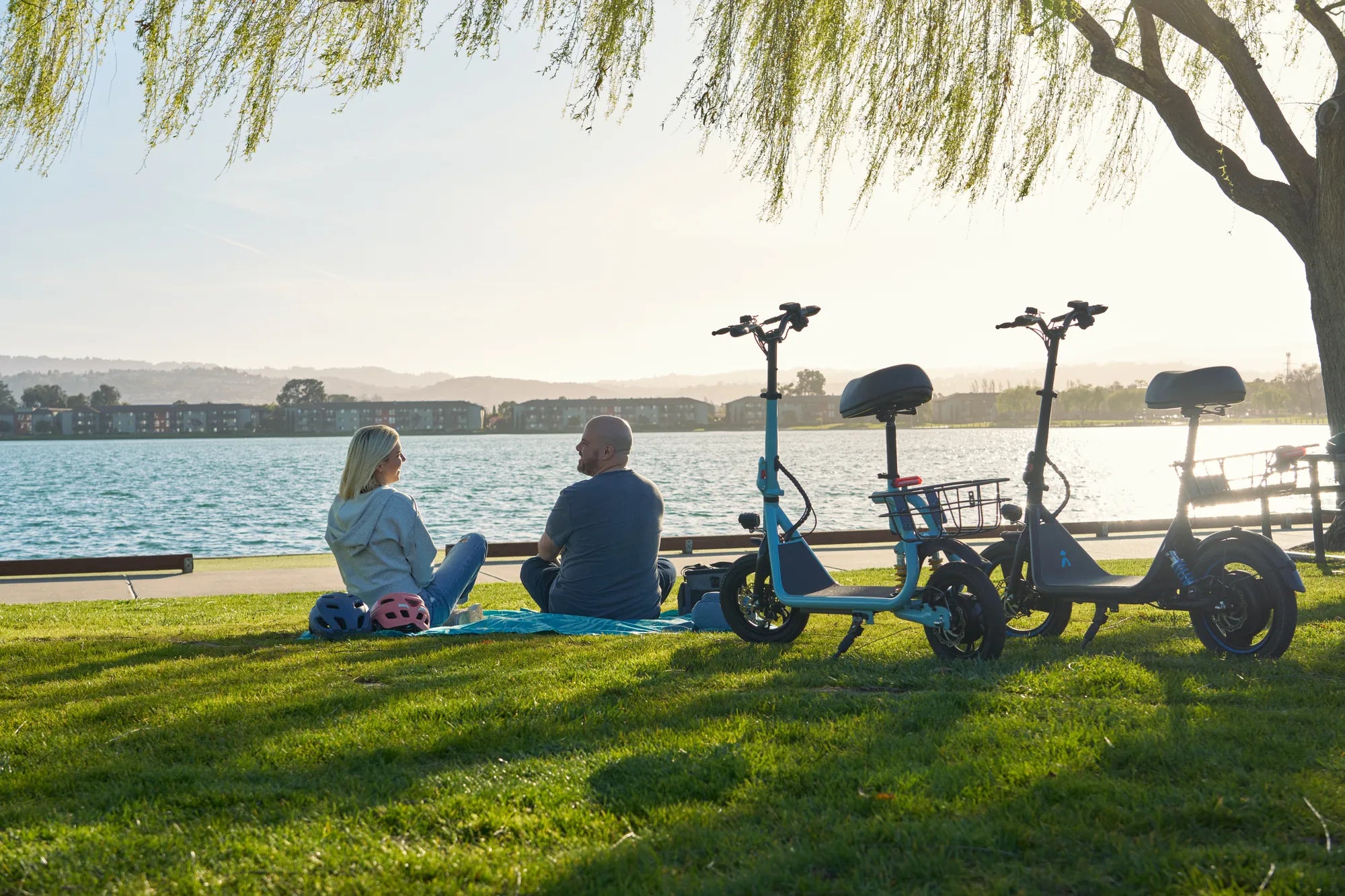
Electric bikes, or e-bikes, have revolutionized the way we commute, explore, and stay active. With so many options on the market, an e bike comparison is essential to find the perfect ride for your needs. Whether you're a daily commuter, a weekend adventurer, or someone looking to reduce their carbon footprint, understanding the differences between e-bikes can help you make an informed decision.
Why Compare E-Bikes?
Not all e-bikes are created equal. From motor power to battery life, frame design to riding modes, each model offers unique features tailored to different riding styles. An e bike comparison helps you identify which features matter most to you, ensuring you invest in a bike that aligns with your lifestyle.
Key Factors to Consider
Motor Power and Performance
The motor is the heart of an e-bike, determining how much assistance you get while pedaling. Motors typically range from 250W to 750W, with higher wattage offering more power for steep hills or heavy loads. Consider whether you need a hub motor (ideal for flat terrains) or a mid-drive motor (better for hilly areas).
Battery Life and Range
Battery capacity, measured in watt-hours (Wh), dictates how far you can ride on a single charge. A higher Wh means longer range, but also a heavier bike. If you plan long commutes or off-road adventures, prioritize batteries with 500Wh or more.
Frame Design and Comfort
E-bikes come in various frame styles, including step-through, mountain, and folding designs. Your choice depends on your riding environment and physical comfort. For example, step-through frames are great for easy mounting, while mountain frames offer stability on rough trails.
Riding Modes and Assist Levels
Most e-bikes offer multiple assist levels, from eco mode (minimal assistance) to turbo mode (maximum power). Some even include throttle-only options for effortless cruising. Test different modes to see which suits your riding style.
Budget Considerations
E-bikes vary widely in price, from budget-friendly models under $1,000 to premium options exceeding $5,000. While it's tempting to go for the cheapest option, investing in quality components like the motor, battery, and brakes can save you money on repairs in the long run.
Test Ride Before You Buy
An e bike comparison isn't complete without a test ride. Visit local dealers to experience how different models handle, accelerate, and brake. Pay attention to comfort, weight distribution, and ease of use.
Ready to find your perfect e-bike? By comparing motor power, battery life, frame design, and budget, you'll be well on your way to choosing a ride that enhances your daily adventures. Happy cycling!
Ebike vs Bike: Which One is Right for You?
Is an E-Bike Worth It? Exploring the Benefits and Drawbacks