



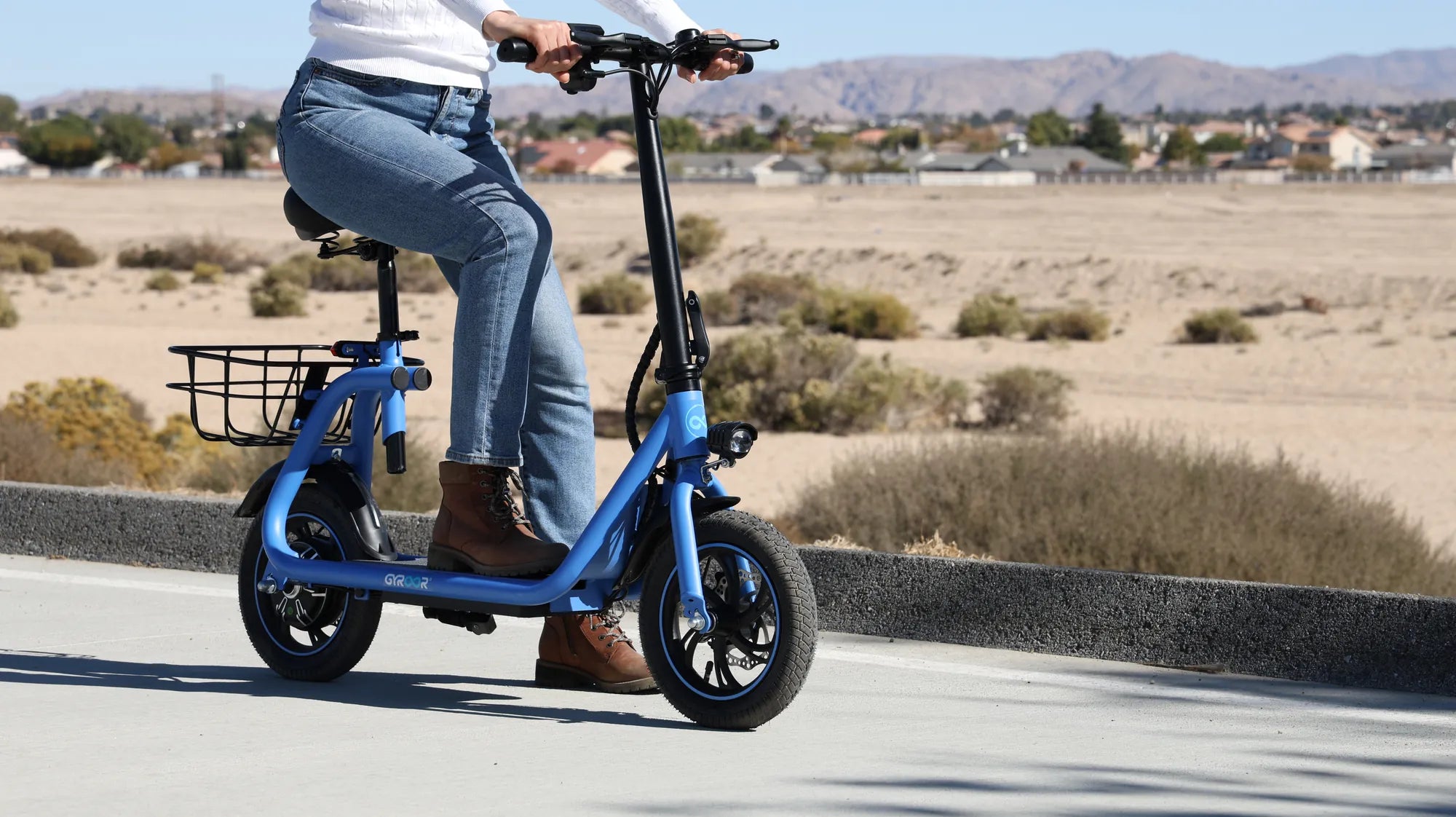
Electric bikes have revolutionized urban commuting and recreational cycling, offering a blend of convenience and eco-friendliness. But how much power does an e bike really consume? Whether you're a daily commuter or a weekend adventurer, understanding e bike electric consumption can help you make smarter choices—saving both energy and money.
Factors Affecting E Bike Electric Consumption
Several variables influence how much electricity your e bike uses. Here are the key factors:
- Battery Capacity: Measured in watt-hours (Wh), higher capacity batteries store more energy but may consume more power.
- Motor Efficiency: Motors with higher efficiency ratings convert more electrical energy into motion, reducing waste.
- Rider Input: Pedal-assist modes consume less power than throttle-only riding, as human effort supplements the motor.
- Terrain: Hills and rough terrain demand more power, while flat surfaces are more energy-efficient.
- Speed: Higher speeds increase air resistance, leading to greater energy consumption.
- Weight: Heavier riders or cargo loads require more power to move.
How to Calculate E Bike Electric Consumption
To estimate your e bike's power usage, use this simple formula:
Energy Consumption (Wh/km) = Battery Capacity (Wh) / Range (km)
For example, if your e bike has a 500Wh battery and a range of 50km, it consumes approximately 10Wh per kilometer. Keep in mind that real-world conditions may vary.
Tips to Optimize E Bike Electric Consumption
Want to extend your battery life and reduce charging frequency? Follow these tips:
- Use Lower Assist Levels: Higher assist modes drain the battery faster. Opt for lower levels when possible.
- Maintain Proper Tire Pressure: Underinflated tires increase rolling resistance, wasting energy.
- Avoid Excessive Weight: Remove unnecessary cargo to lighten the load.
- Plan Efficient Routes: Choose flatter, smoother paths to minimize energy expenditure.
- Keep Your Bike Well-Maintained: Lubricate the chain and check brake alignment to reduce friction.
Choosing the Right E Bike for Your Needs
Not all e bikes are created equal. Consider these factors when selecting one:
- Battery Size: Match the battery capacity to your typical riding distance.
- Motor Type: Hub motors are efficient for flat terrain, while mid-drive motors excel on hills.
- Riding Style: Commuters may prioritize efficiency, while off-road riders might need more power.
By understanding e bike electric consumption, you can ride smarter, save energy, and get the most out of your electric bike. Ready to hit the road with confidence? Your next ride could be more efficient than ever!
4.99 Electric Bike: The Affordable Revolution in Urban Commuting
Scooter Electric Price Peru: A Comprehensive Guide to Affordable and Eco-Friendly Commuting