

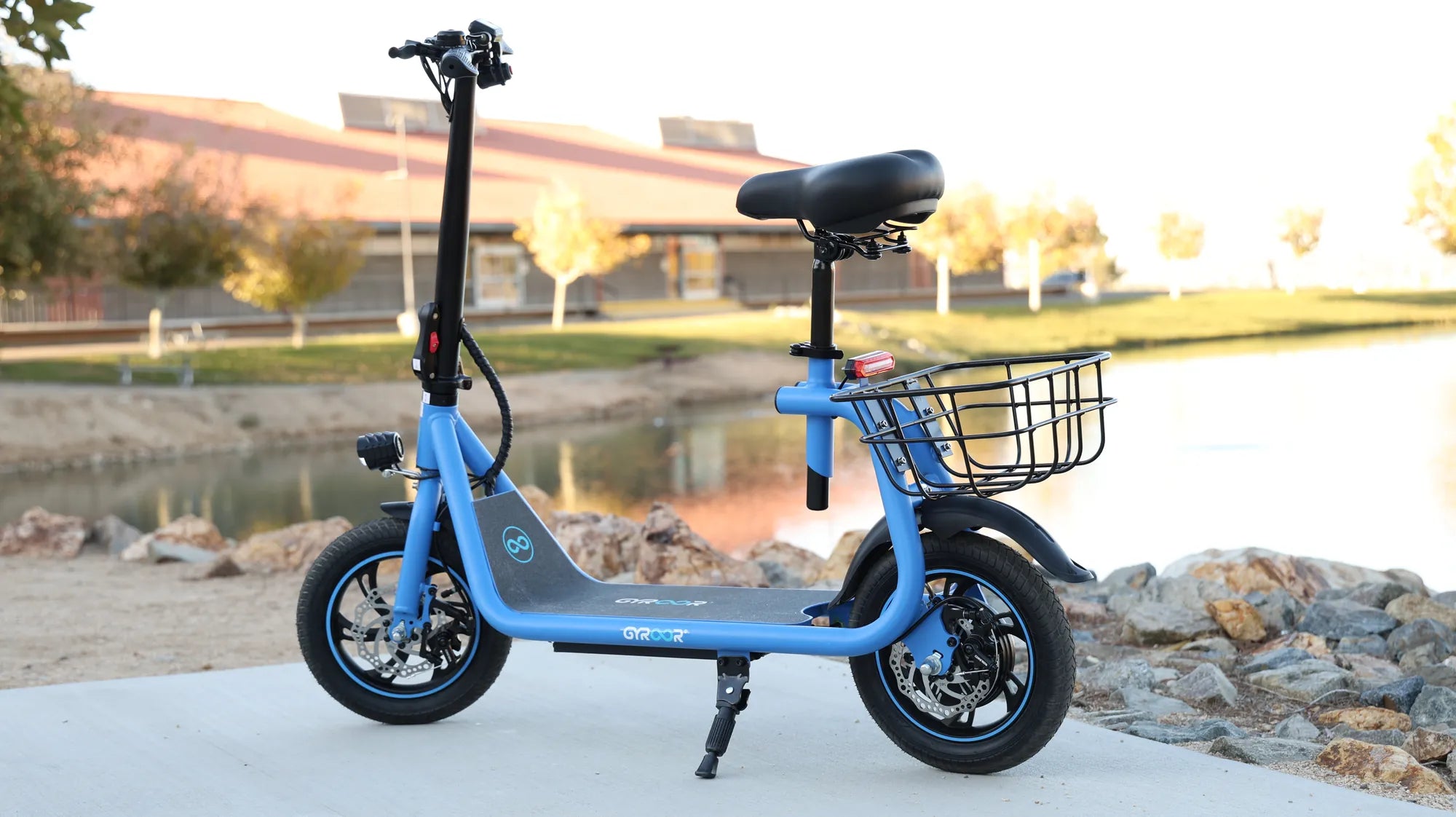
Finding a reliable and safe e bike for a 400 lb person is a specific engineering challenge, not just a matter of choosing any model with a high price tag. Standard consumer e-bikes, often rated for 250-300 lbs, can pose serious safety risks and offer poor performance for heavier riders. This guide will provide you with the data-driven knowledge to identify an electric bicycle engineered for durability, power, and stability at higher weights. You will learn the non-negotiable specifications, understand the pros and cons of different e-bike styles, and gain practical advice for testing and maintaining your high-capacity e-bike.
Understanding the Challenge: E-Bikes for Heavy Riders
Riders at or near 400 lbs face unique physical demands on an e-bike's components. A standard bicycle frame can flex or fatigue under constant high stress, leading to potential failure. The motor must work significantly harder to provide meaningful assist, especially on inclines, which strains electrical systems and drains batteries rapidly. Perhaps most critically, braking systems designed for lighter loads may not provide adequate stopping power, creating a major safety hazard.
This is why the listed weight capacity is the starting point, not the finish line. A true e bike for a 400 lb person is built from the ground up with reinforced materials, high-torque motors, and oversize brakes. It's about systemic integrity where every part, from the spokes to the controller, is selected and tested for higher stress loads. Choosing a bike that merely meets the weight limit is risky; the goal is to find one engineered to excel within it.
Key Features to Prioritize for a 400 lb Capacity E-Bike
When evaluating options, look beyond marketing claims. Focus on these concrete, measurable features that directly impact safety, performance, and longevity under heavy loads.
Frame Material and Build Quality
The frame is the foundation. For a 400 lb capacity, high-tensile steel or reinforced 6061/7075 aluminum alloys are essential. These materials offer superior strength-to-weight ratios and fatigue resistance compared to standard aluminum. Inspect the weld points—they should be smooth, even, and substantial, indicating quality construction. A step-through or diamond frame with additional gusseting at high-stress joints (like the head tube and seat tube) is a strong sign of a durable design.
Motor Power and Torque
Motor wattage alone is misleading; torque is the key metric for heavy riders. Look for a rear-hub or mid-drive motor rated at a minimum of 750W continuous power, with 1000W+ being ideal for consistent performance. More importantly, seek torque ratings of 80 Newton-meters (Nm) or higher. High torque ensures the bike can accelerate from a stop and climb hills without bogging down or overheating the motor, which is critical for a e bike for a 400 lb person.
Battery Capacity and Range
Weight dramatically affects range. A battery that provides 40 miles for a 180 lb rider may only deliver 15-20 miles for a 400 lb rider. Therefore, prioritize high-voltage, high-capacity battery packs. A 48V or 52V system with at least 15Ah (720Wh) is a practical starting point. Manage expectations: real-world range will be lower than advertised. Calculate based on capacity: expect roughly 15-20 Wh per mile under load, so a 720Wh battery may offer 35-45 miles of realistic range.
Wheel, Tire, and Spoke Strength
Wheels bear the brunt of the load. Opt for wheels with at least 36 spokes, preferably 13-gauge or 12-gauge (thicker) spokes, which are much more resistant to bending and breaking. Tire size matters: 26-inch or 27.5-inch wheels are common and strong. Pair them with wide, puncture-resistant tires—at least 2.4 inches wide, with 4-inch fat tires being excellent for stability and shock absorption. Properly inflated, robust tires distribute weight and prevent pinch flats.
Braking System and Safety
This is non-negotiable. Only hydraulic disc brakes with large rotors (180mm or preferably 203mm) provide the consistent, powerful, and low-maintenance stopping force required. Mechanical disc or rim brakes are insufficient and dangerous for this application. Dual-piston or quad-piston calipers offer better modulation and heat dissipation. Reliable brakes are the most critical safety feature on any e bike for a 400 lb person.
Top E-Bike Categories & Styles for Heavy Riders
Certain e-bike designs are inherently better suited for higher weight capacities due to their geometry and construction intent.
Cargo & Utility E-Bikes
These are among the best choices. Designed to carry heavy loads (often 400-550 lbs total system weight), they feature extremely sturdy frames, long wheelbases for stability, and powerful motors. Brands build them from the outset for durability, making them a reliable, if sometimes less agile, option for daily commuting and errands.
Fat Tire E-Bikes
Fat tire e-bikes excel in comfort and stability. Their 4-inch-wide tires provide a larger contact patch, distributing weight more effectively and offering superior traction on various surfaces. The added air volume acts as natural suspension, smoothing out bumps. Many fat tire models are built with robust frames to handle off-road use, translating well to higher rider weights.
Step-Through & Cruiser E-Bikes
For ease of mounting and a comfortable, upright riding position, reinforced step-through models are excellent. The key is to find cruisers not just designed for leisure but engineered with strength. Look for models that explicitly advertise high weight capacities and use double-walled rims and reinforced rear triangles. They offer great comfort for longer rides on paved or packed trails.
Why Gyroor is Engineered for Confidence and Capacity
As a leading electric mobility brand trusted by over 100,000 riders, Gyroor's design philosophy aligns with the needs of heavier riders through fundamental engineering principles focused on safety and durability.
Built on a Foundation of Safety: UL-Certified Power
Every Gyroor e-bike uses UL-certified lithium-ion battery packs, tested for 500+ charge cycles. For a rider seeking an e bike for a 400 lb person, this certification is crucial. It ensures the battery management system can handle the high current draws required for hill climbing under load without risks of overheating, ensuring stable and reliable power delivery.
Durability for All Conditions: IPX5 Water-Resistant Design
Gyroor models feature IPX5 water-resistant designs, protecting critical electrical components from rain, splashes, and dust. This engineering ensures longevity and reliability for commuters and recreational riders who encounter real-world weather, preventing corrosion and electrical faults that can be exacerbated by the higher demands of a heavy-load use case.
Unmatched Rider Support: The 1-Year Comprehensive Warranty
Investing in a high-capacity e-bike requires confidence in the product's backing. Gyroor supports its riders with a robust 1-year warranty on the frame, motor, battery, and controller. This comprehensive coverage, backed by US-based customer support, provides essential peace of mind, ensuring your investment is protected as you rely on it for daily transportation.
Practical Considerations Before You Buy
Arm yourself with knowledge that goes beyond the online spec sheet to make the best possible purchase.
Verifying the "Rated Capacity" vs. "Total System Weight"
Always clarify what the manufacturer's weight limit includes. Some list the rider-only weight, while others list the total system weight (rider + bike + cargo). A bike rated for 400 lbs total system weight may only safely carry a 330-350 lb rider once the bike's own weight (often 70+ lbs) is accounted for. Read the fine print or contact support directly.
The Critical Importance of a Proper Test Ride
If possible, always test ride. Pay attention to frame flex when steering and under power. Test the brakes aggressively at low speed in a safe area—they should feel firm and powerful. Feel how the motor responds when starting on a slight incline. Listen for creaks or groans from the frame or wheels. The bike should feel planted and solid, not twitchy or strained.
Maintenance Musts for Longevity
High-load use accelerates wear. Adopt a strict maintenance routine: check tire pressure weekly (under-inflation is a major cause of pinch flats), inspect brake pads monthly for wear, and listen for spoke "pinging" which indicates loosening tension. Lubricate the chain regularly and have a professional mechanic check wheel true and bearing tightness every few months.
Comparison of E-Bike Styles for Heavy Riders
| E-Bike Style | Key Strengths for 400 lb Rider | Potential Considerations | Best Use Case |
|---|---|---|---|
| Cargo/Utility | Highest payload ratings, ultra-sturdy frame, stable long wheelbase, powerful motor. | Heavier bike weight, less agile handling, often higher price point. | Daily commuting, heavy errands, commercial use. |
| Fat Tire | Excellent stability & traction, superior shock absorption, robust off-road construction. | Higher rolling resistance on pavement, can be heavier. | Recreational trails, beach, snow, comfort-focused urban riding. |
| Reinforced Step-Through/Cruiser | Easy mounting, very comfortable upright position, often good value. | Must verify frame is specifically reinforced, may have lower ground clearance. | Leisure rides, paved path commuting, riders with mobility considerations. |
FAQ: E-Bikes for 400 lb Riders
Q: Can I modify a standard e-bike to hold more weight?
A: No. This is strongly discouraged and dangerous. The frame, wheels, brakes, and motor are engineered as a system. Upgrading one part does not address the stress on welds, bearings, or the electrical system, risking catastrophic failure.
Q: Will I get the advertised range at my weight?
A> No. You should expect significantly less range. A good rule of thumb is to reduce the manufacturer's advertised range (typically calculated for a ~150 lb rider) by 30-50%. Your actual range depends on terrain, assist level, and wind.
Q: Are fat tire e-bikes slower or harder to pedal?
A: They can have slightly higher rolling resistance on smooth pavement, but the electric motor easily compensates. The benefits in stability, comfort, and traction for a heavier rider far outweigh any minor efficiency loss. They are not harder to pedal with motor assist engaged.
Q: Are there specific accessories I need?
A> Yes. Invest in a heavy-duty, double-leg kickstand to securely hold the bike. If using a rear rack, ensure it is rated for high loads (80+ lbs). Always use a high-capacity helmet designed for larger head sizes for safety.
Q: How do I know if the weight limit is trustworthy?
A> Look for brands with a reputation for durability and clear engineering specifications. Check for user reviews from heavier riders. A trustworthy manufacturer will explicitly state what the weight limit includes (rider vs. total weight) and may even provide details on frame strength testing.
Conclusion: Empowering Your Journey with the Right E-Bike
Selecting a capable and safe e bike for a 400 lb person is a deliberate process centered on structural integrity, proven performance specs, and reputable brand support. By prioritizing a reinforced frame, high-torque motor, oversized hydraulic brakes, and robust wheels, you can find an electric bicycle that transforms your mobility with confidence. This journey leads to brands like Gyroor, where engineering for real-world durability—through UL-certified batteries, water-resistant builds, and comprehensive warranties—is fundamental. The right e-bike isn't just a purchase; it's an investment in freedom, fitness, and practical transportation.
Ready to explore e-bikes built for strength and reliability? Browse the full Gyroor collection at gyroorboard.com to find a model engineered to support your journey.
150 cc Dirt Bike Top Speed: Real Data, Mods & Limits Explained
140cc Pit Bike Top Speed: A Complete Data-Driven Guide