



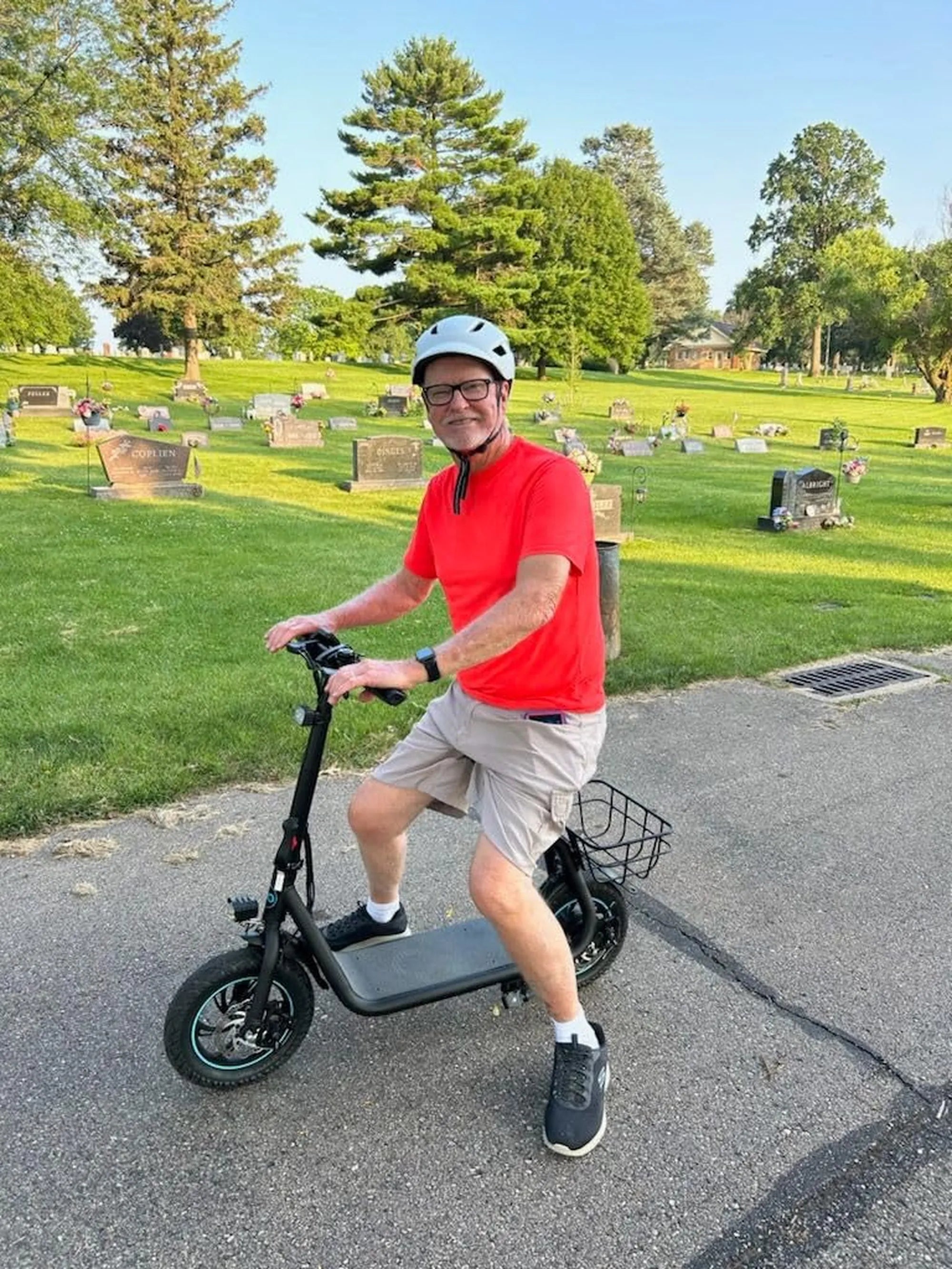
Finding a reliable, comfortable, and powerful e-bike when you're a heavier rider can feel daunting. Standard models with 250-pound limits often fall short, leaving you questioning safety and performance. This guide cuts through the confusion. We'll provide the data-driven knowledge you need to choose an e-bike for fat people that delivers on power, durability, and confidence. You'll learn how to interpret key specs, understand the engineering built for real-world diversity, and discover how the right e-bike can transform your mobility.
Redefining Mobility: Engineering for Every Body
The traditional cycling industry has often overlooked larger riders, offering products with marginal weight capacities and insufficient power. A modern e-bike for fat people shatters these limitations. It is not merely a standard bicycle with a motor slapped on; it is a vehicle engineered from the ground up with reinforced components, high-torque systems, and durable construction to handle higher static and dynamic loads safely.
This engineering focus transforms the riding experience. What was once a strenuous activity becomes accessible, enjoyable, and empowering. The electric assist compensates where needed—on hills, during acceleration, or over long distances—allowing you to focus on the joy of movement and exploration. The goal is to provide a tool for freedom, not a source of anxiety over whether the frame or wheels can hold up.
Brands that cater to this market, like Gyroor, prioritize this foundational strength. With over 100,000 riders trusting their products across North America and Europe, the emphasis is on real-world performance and safety certifications, not just marketing claims. Choosing the right e-bike for fat people means investing in a vehicle built for longevity and confidence.
Decoding the Specs: What Heavier Riders Must Look For
Selecting an e-bike requires looking beyond the advertised "weight capacity." That number is a starting point. True suitability depends on a synergy of key specifications that ensure safety, performance, and component longevity under increased load.
Frame Material and Geometry: The Foundation of Strength
The frame is the skeleton of your e-bike. For heavier riders, 6061 or 7005 series aluminum alloys or chromoly steel are preferred for their excellent strength-to-weight ratios. Look for frames with visibly robust tubing, especially around the head tube, bottom bracket, and rear dropout areas where stress concentrates. Geometry is equally crucial. A longer wheelbase and a slack head tube angle enhance stability at higher speeds and under load, making the bike feel more planted and less twitchy.
Motor Power and Torque: The Heart of Performance
While wattage (e.g., 500W, 750W) gets attention, torque (measured in Newton-meters or Nm) is the true hero for heavier riders. Torque is the rotational force that gets you moving from a stop and powers up hills. A high-torque hub-drive or mid-drive motor (aim for 80+ Nm) will provide smooth, confident acceleration without straining the system. A motor that struggles under load will drain the battery faster and potentially overheat.
Battery Capacity and Real-World Range
Advertised range (e.g., "40 miles") is typically calculated for a 160-lb rider on flat ground using minimal assist. Rider weight is the single biggest factor reducing range. A 350W battery (48V, 10-15Ah) is a practical minimum. Expect to get 50-70% of the advertised range depending on your weight, terrain, and assist level. Planning for a 20-30 mile real-world range ensures you won't be left pedaling a heavy bike without help.
Wheels, Tires, and Braking Systems
Wheels must be exceptionally durable. Seek out double-walled aluminum rims with 36 or more spokes, laced in a robust pattern (like 3-cross). Tires should be wide (at least 2.4 inches) and feature puncture-resistant belts. For braking, hydraulic disc brakes are non-negotiable. They offer superior stopping power and modulation in all weather conditions, a critical safety feature when managing greater momentum.
The Gyroor Engineering Standard: Built for Confidence
Gyroor's approach to electric mobility aligns directly with the needs of heavier riders. Their design philosophy centers on safety, durability, and reliable performance, translating technical specifications into tangible rider benefits.
UL-Certified Battery Packs: The Core of Safety
Every Gyroor e-bike uses a UL 2271 or UL 2849 certified battery pack. This independent certification means the battery's cells, management system, and construction have passed rigorous tests for electrical, mechanical, and environmental safety. For a rider relying on substantial power output, this certification ensures stability over hundreds of charge cycles and provides critical peace of mind, eliminating concerns over battery fires or failures.
IPX5 Water-Resistant Design: Reliability in All Conditions
An IPX5 rating means the e-bike's electrical components can withstand water jets from any direction. This engineering protects the motor controller, display, and wiring connections from rain, puddles, and road spray. For a daily commuter or recreational rider, this feature guarantees that the bike remains a dependable form of transportation, regardless of a sudden downpour, protecting your investment from moisture-related damage.
1-Year Comprehensive Warranty: Backed by Support
Gyroor supports its products with a robust 1-year warranty covering the frame, motor, battery, and controller. This warranty, backed by US-based customer service, is a testament to the brand's confidence in its product's durability. It signals that the components are built to last under varied use, offering a significant advantage over brands with limited or unclear support policies for heavier riders.
Choosing Your Ride: Optimal E-Bike Styles for Heavier Riders
Your intended use should guide your choice of e-bike style. Each type offers distinct advantages in geometry, capability, and comfort that can be tailored to a heavier rider's needs.
Cruiser and Hybrid E-Bikes: For Comfort and Commuting
These models feature an upright riding position that reduces strain on the back, neck, and wrists. They often come with wide, cushioned saddles and may include front suspension or seat-post shocks to absorb road vibrations. Their balanced geometry is excellent for paved paths, neighborhood rides, and casual commuting, providing a comfortable and stable platform.
Cargo and Fat Tire E-Bikes: For Maximum Capacity and Stability
These are the workhorses. Cargo e-bikes are inherently built with ultra-strong frames and extended rear racks to carry heavy loads, making them ideal for heavier riders who also want utility. Fat tire e-bikes (with 4-inch-wide tires or more) offer unparalleled stability and traction on sand, snow, and rough trails. The large air volume in the tires acts as natural suspension, smoothing out bumps, and the wide footprint distributes weight exceptionally well.
Step-Through vs. Step-Over Frames: A Matter of Accessibility
For many riders, a step-through frame (also known as a low-step or open frame) is a game-changer. It allows for easy mounting and dismounting without swinging a leg high over the rear wheel. This design enhances confidence at stops and is particularly beneficial for riders with mobility considerations or those who wear longer coats. It does not compromise frame strength when properly engineered.
Essential Upgrades and Maintenance for Longevity
Optimizing your new e-bike with a few key upgrades and a consistent maintenance routine will dramatically improve your experience and extend the life of your investment.
Must-Have Accessories for Enhanced Support
Consider a high-quality suspension seatpost (like a Thudbuster or Suntour NCX) to absorb road shocks. A wider, ergonomic saddle designed for touring can improve comfort on longer rides. If carrying items, ensure your rear rack is rated for significant weight (50+ lbs). A sturdy, double-legged kickstand is also essential to safely park the heavier bike.
Critical Maintenance Checklist
Maintain tire pressure at the maximum recommended PSI (found on the tire sidewall) to prevent pinch flats and reduce rolling resistance. Check that all critical bolts (stem, handlebar, seat post, rack) are properly torqued every few weeks, as vibrations can loosen them. Regularly inspect brake pads for wear and ensure the disc rotors are clean. Keep the chain lubricated with a wet lube for all-weather riding.
Riding Safely and Building Confidence
Start rides in a lower level of pedal assist to get accustomed to the bike's power delivery. Use higher assist levels for hills or when you need a boost. Plan your routes to include bike lanes or quieter streets as you build confidence. Always wear a helmet, use lights, and signal your intentions clearly. Remember, the motor is an assist; maintaining a pedaling cadence is more efficient and extends battery range.
E-Bike for Heavier Riders: Model Comparison
| Model Type | Ideal For | Key Features for Heavier Riders | Expected Weight Capacity |
|---|---|---|---|
| Hybrid Commuter | Paved paths, city streets, daily errands | Upright geometry, front suspension, medium-width tires | 300 - 350 lbs |
| Cruiser E-Bike | Leisure rides, beach paths, comfort-focused riding | Step-through frame, wide saddle, swept-back handlebars | 300 - 330 lbs |
| Fat Tire E-Bike | All-terrain, trails, snow, sand, maximum stability | 4"+ tires, high-torque motor, ultra-durable frame | 350 - 400+ lbs |
| Cargo E-Bike | Hauling gear, groceries, passengers, utility | Extended wheelbase, reinforced rear rack, powerful motor | 400 - 500+ lbs (total system weight) |
Frequently Asked Questions (FAQ)
What is the most important spec for a heavier rider?
The combined system weight capacity is the absolute first filter. Never exceed it. Following that, frame construction and motor torque are the most critical for safety and usable performance. A high-wattage motor with low torque will be disappointing on hills.
How much does rider weight affect battery range?
Significantly. As a rule of thumb, for every 50 pounds over the test rider's weight (typically 160-180 lbs), expect a 10-20% reduction in maximum range. Terrain, wind, and assist level have a compounding effect. Always plan your routes with a buffer.
Are fat tire e-bikes better for heavier riders?
They offer distinct advantages. The wide tires provide superior stability, traction, and comfort by distributing weight over a larger surface area and acting as natural suspension. They are an excellent choice if you ride on varied surfaces or prioritize a plush ride.
Do I need a special license for a high-power e-bike?
In most US states, e-bikes are classified into three classes. Class 1 and 2 (assist up to 20 mph) typically require no license. Some powerful models may be Class 3 (assist up to 28 mph). Regulations vary by locality, so always check your state and city laws.
How can I test if an e-bike is right for me?
If possible, visit a local dealer for a test ride. Pay attention to how the bike accelerates from a stop, handles a slight incline, and feels when braking. Check the comfort of the saddle and riding position. The bike should feel solid, not flex or creak under your weight.
Your Journey to Empowered Mobility Awaits
The search for the perfect e-bike for fat people ends with informed choices. Prioritize foundational strength—a robust frame, a high-torque motor, durable wheels, and hydraulic brakes—over superfluous features. Trust in brands that validate their safety with certifications like UL and back their durability with strong warranties. This approach leads to a machine that isn't just transportation, but a key to freedom, fitness, and fun. The road is ready. Your journey to confident, empowered riding begins with choosing the right tool for the job.
Ready to explore e-bikes engineered for real-world strength and reliability? Browse the full Gyroor collection at gyroorboard.com to discover models built with UL-certified batteries, IPX5 water-resistance, and the robust support of a 1-year warranty.
Big Wheel vs Tricycle: The Ultimate Guide to Choosing Your Ride
How Much Is an Electric Tricycle: A 2024 Price & Value Guide