



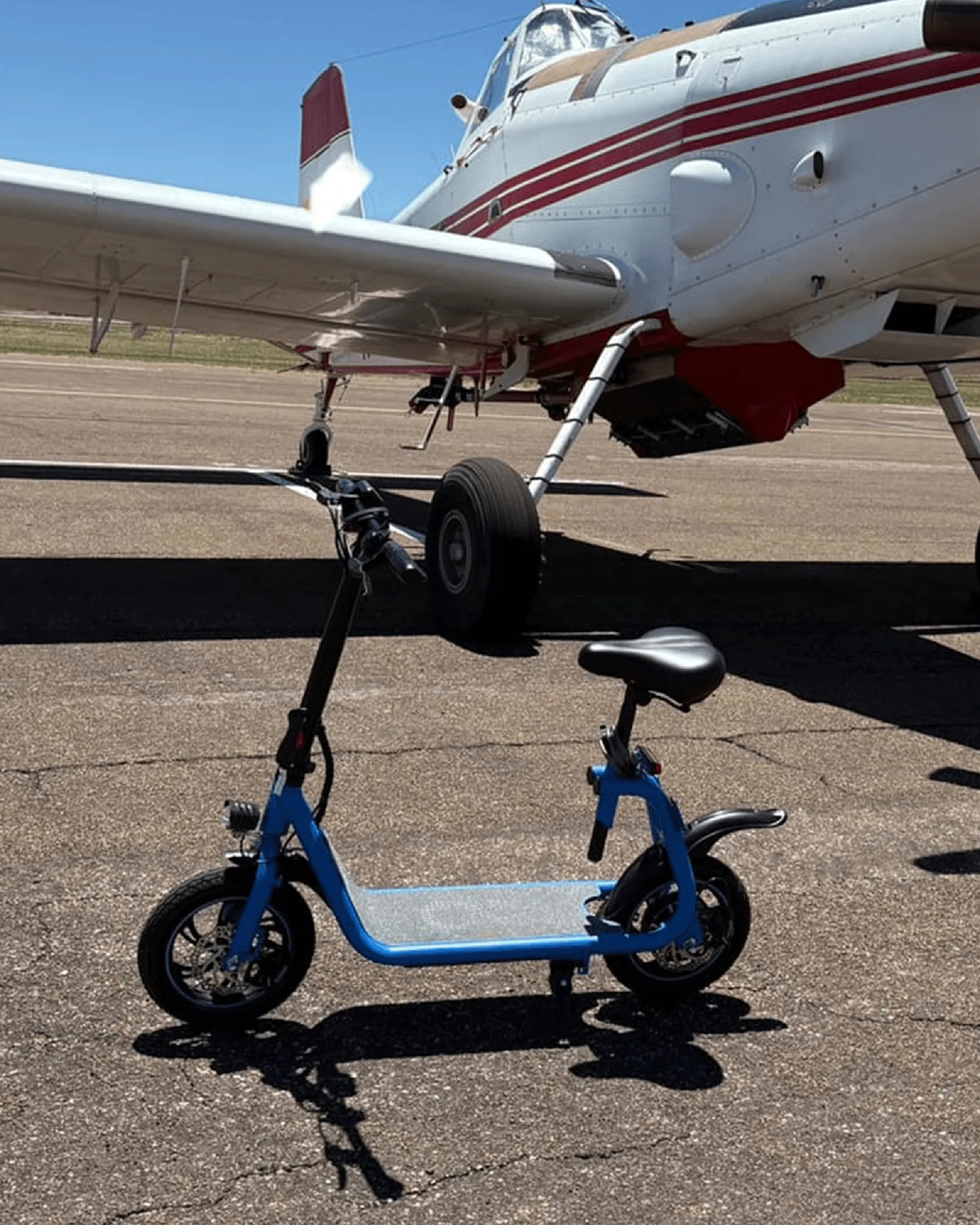
E-scooters have taken Germany by storm, offering a convenient and eco-friendly way to navigate cities. But with their rising popularity comes the need for clear regulations. In Germany, e-scooters are legally capped at 25 km/h, a rule designed to balance speed and safety. Whether you're a daily commuter or a weekend rider, understanding these laws is crucial to avoid fines and stay safe on the road.
The Legal Framework for E-Scooters in Germany
Germany was one of the first European countries to formally regulate e-scooters. In June 2019, the government introduced specific rules to integrate these vehicles into traffic laws. E-scooters with a maximum speed of 20 km/h are classified as Elektrokleinstfahrzeuge (small electric vehicles), while those capable of 25 km/h fall under a slightly different category. Both types are legal but come with distinct requirements.
Speed Limits and Their Implications
The 25 km/h limit isn't arbitrary—it's a carefully considered threshold to ensure rider and pedestrian safety. E-scooters exceeding this speed are classified as motor vehicles, requiring registration, insurance, and a license. For most riders, sticking to the 25 km/h limit means avoiding unnecessary legal hassles. However, some argue that this speed is too slow for efficient commuting, especially in larger cities.
Where Can You Ride an E-Scooter?
In Germany, e-scooters are permitted on bike lanes and roads but prohibited on sidewalks. This rule aims to protect pedestrians, particularly in crowded urban areas. Riders must also adhere to traffic signals and yield to pedestrians at crossings. Violating these rules can result in fines, so it's essential to familiarize yourself with local traffic laws.
Safety Gear and Equipment Requirements
While helmets aren't mandatory for e-scooter riders in Germany, they are strongly recommended. The 25 km/h speed might seem modest, but accidents can still cause serious injuries. Additionally, e-scooters must have functioning lights, reflectors, and a bell. Regular maintenance checks are also advisable to ensure your scooter remains roadworthy.
Insurance and Liability Considerations
Unlike cars, e-scooters don't require separate insurance in Germany. However, they must be covered under a general liability insurance policy. This coverage protects you in case of accidents causing damage to property or injury to others. Without it, you could face significant financial liabilities.
The Future of E-Scooters in Germany
As e-scooter usage grows, so does the debate around their regulation. Some cities are experimenting with designated parking zones, while others are considering stricter speed enforcement. The 25 km/h limit may also evolve as technology advances and urban infrastructure adapts. For now, riders should stay informed and ride responsibly.
E-scooters are more than just a trend—they're reshaping urban mobility in Germany. By sticking to the 25 km/h limit and following local laws, you can enjoy a smooth, legal ride while contributing to a greener future. Ready to hit the road? Make sure you're up to speed on the rules before you go.
Best Electric Two Wheeler: The Ultimate Guide to Eco-Friendly Commuting
E Scooter Comparison: Finding the Best Ride for Your Needs