



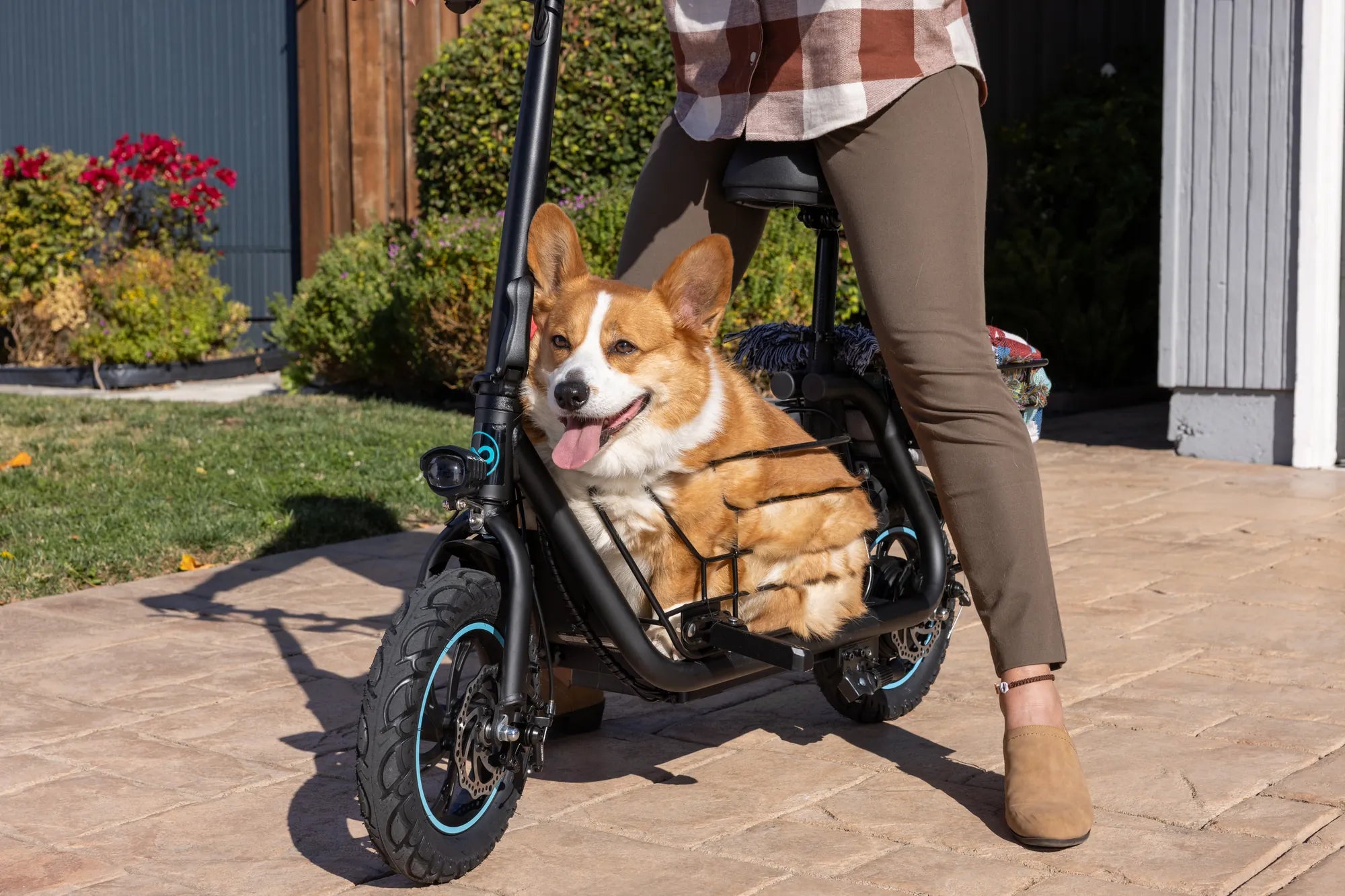
Electric scooters have revolutionized urban mobility, offering a convenient and eco-friendly way to navigate crowded streets. At the heart of every e scooter's functionality lies its charger port—a small but critical component that ensures your ride stays powered. Whether you're a daily commuter or a weekend adventurer, understanding your e scooter charger port can make all the difference in performance and longevity.
What Is an E Scooter Charger Port?
The e scooter charger port is the interface where the charging cable connects to the scooter's battery. It acts as a gateway for transferring electricity from the power source to the battery, ensuring your scooter is ready for your next ride. Most ports are designed to be durable, but their location and design can vary depending on the model.
Types of E Scooter Charger Ports
There are several types of charger ports used in e scooters, each with its own advantages and compatibility requirements. Common variants include:
- DC Barrel Connectors: A cylindrical port often found in budget-friendly models.
- USB-C Ports: Increasingly popular for their fast-charging capabilities.
- Proprietary Connectors: Custom-designed ports specific to certain manufacturers.
How to Maintain Your E Scooter Charger Port
Proper maintenance of your charger port can prevent charging issues and extend the lifespan of your scooter. Follow these tips:
- Keep the port clean and free from dust or debris.
- Avoid exposing it to moisture or extreme temperatures.
- Inspect the port regularly for signs of wear or damage.
Safety Precautions When Using the Charger Port
Charging your e scooter safely is paramount to avoid accidents or damage. Always:
- Use the correct charger designed for your scooter model.
- Ensure the port is dry before plugging in the charger.
- Unplug the charger once the battery is fully charged to prevent overheating.
Troubleshooting Common Charger Port Issues
If your e scooter isn't charging properly, the issue might lie with the charger port. Common problems include:
- Loose Connections: The charger may not be making proper contact with the port.
- Corrosion: Moisture exposure can lead to rust or oxidation.
- Physical Damage: Bent or broken pins can prevent charging.
Maximizing Charging Efficiency
To get the most out of your e scooter's battery, follow these best practices:
- Charge the battery before it's completely drained.
- Avoid using third-party chargers that may not match the required voltage.
- Store your scooter in a cool, dry place when not in use.
Your e scooter charger port might seem like a minor detail, but it plays a huge role in keeping your ride smooth and reliable. By taking care of it and following these guidelines, you'll ensure your scooter stays charged and ready for every adventure. Don't let a faulty charger port slow you down—stay informed and ride with confidence!
Are There Electric Scooters in Rome? Exploring the City's Micromobility Options
High Power E Scooter: The Ultimate Guide to Speed, Range, and Performance