

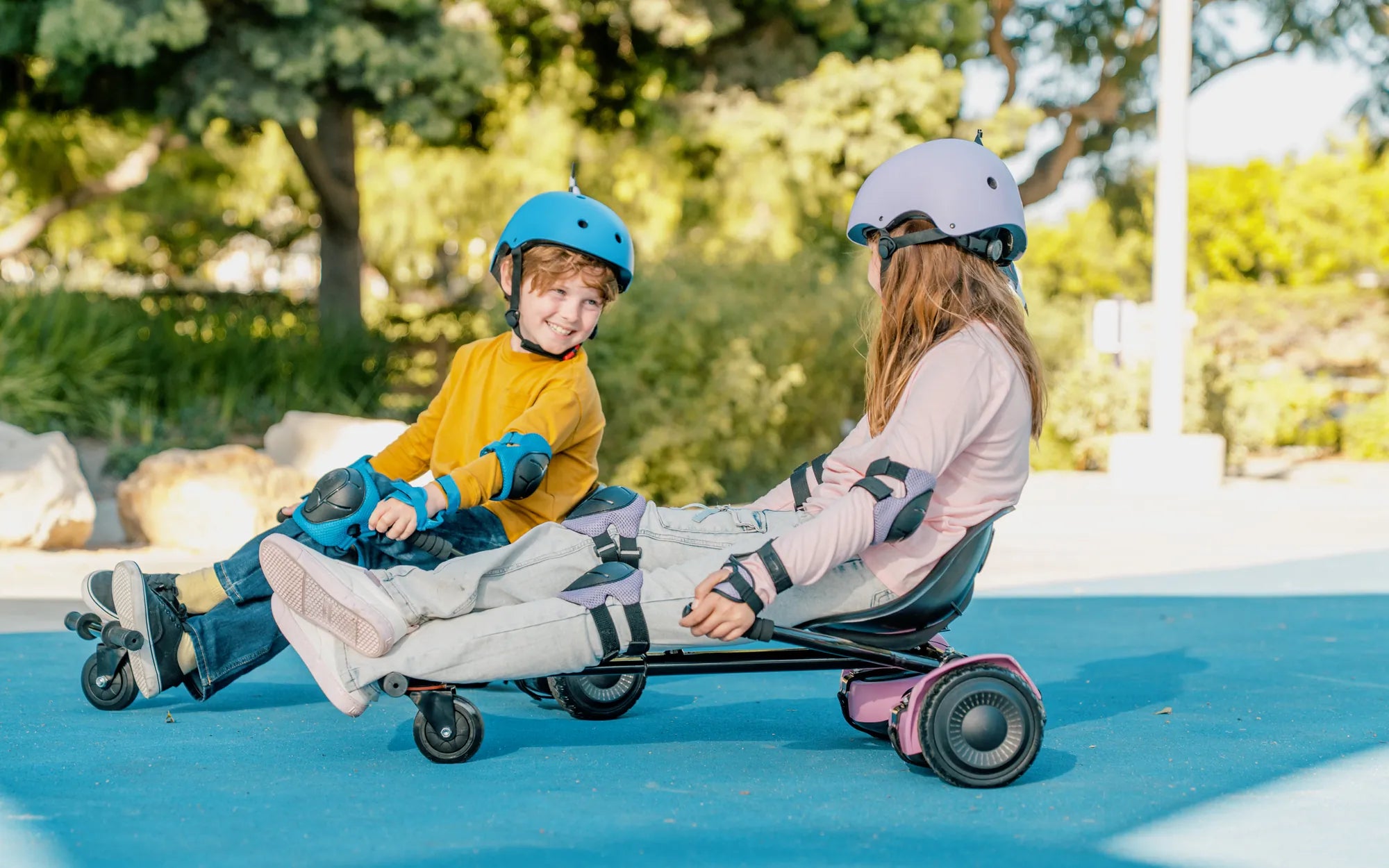
Every parent wants to see their child experience the thrill and freedom of riding an electric scooter, but concerns about safety and cost can quickly dampen the excitement. This guide cuts through the confusion to show you how to find a genuinely safe, durable, and fun e-scooter for your child without overspending. We'll define what "cheap" really means in this market, detail the non-negotiable safety features you must look for, and explain how brands like Gyroor—a leading electric scooter and e-bike brand trusted by over 100,000 riders—engineer critical safety into accessible models. Your search for the perfect E Scooter Kids Cheap starts with understanding that affordability should never come at the expense of essential protection.
What Does "Cheap" Really Mean in Kids' E-Scooters?
The term "cheap" in the kids' e-scooter market spans a wide spectrum, from dangerously inadequate to surprisingly capable. Understanding these brackets is the first step to making a smart purchase. Generally, models fall into three categories: budget (under $150), mid-range ($150-$300), and premium ($300+). This guide focuses on the affordable segment, where the greatest value and the most significant risks coexist.
In the budget category, extreme cost-cutting is common. Manufacturers may use substandard battery cells, weak motor controllers, or brittle plastic components to hit a low price point. The mid-range, however, is where savvy parents can find the sweet spot. Here, brands often make acceptable compromises on features like maximum range or top speed while maintaining core safety and build quality.
The key is identifying which compromises are acceptable and which are deal-breakers. A shorter range of 6-8 miles is a reasonable trade-off for a younger rider. In contrast, a lack of a reliable braking system or an uncertified battery is an unacceptable risk, regardless of how low the price tag is. True affordability is measured in cost-per-safe-ride, not just the initial purchase price.
Focusing on value over mere price means looking for a scooter that will last through years of use with minimal issues. A model that costs $50 more upfront but features a UL-certified battery and a robust frame will ultimately be far "cheaper" than a bargain model that fails in three months or, worse, creates a safety hazard.
Non-Negotiable Safety Features for Any Affordable Kids' E-Scooter
When evaluating any E Scooter Kids Cheap option, certain safety elements are not up for debate. These features form the foundation of a secure riding experience and must be present on any model you consider, even in the most affordable price tier.
Speed Limiters and Adjustable Settings
For children, uncontrolled speed is a primary danger. A quality kids' e-scooter must have a built-in, reliable speed limiter. Most models for younger riders (ages 6-10) should have a maximum speed capped between 8-10 mph (13-16 km/h). For older kids and teens, 12-15 mph (19-24 km/h) is typically sufficient.
Look for models with multiple speed modes (e.g., Beginner, Eco, Sport) that can be controlled via a simple button interface or, even better, a parental control key or PIN code. This prevents your child from accidentally—or intentionally—switching to a higher, unsafe speed without your knowledge. This feature is crucial for allowing the scooter to grow with your child's skill level.
Braking System: Disc vs. Electronic vs. Foot Brakes
A responsive, predictable braking system is arguably the most critical safety component. For kids, simplicity and reliability are paramount.
- Electronic (E-Brake)/Regenerative Braking: Activated by a lever, it uses the motor to slow down. It's smooth and low-maintenance but can be less effective at higher speeds or on steep hills if used alone.
- Disc Brakes: Offer powerful, consistent stopping power in all conditions. They are highly reliable but require occasional adjustment.
- Foot Brake (Fender Brake): A simple press-down brake on the rear fender. It's very intuitive for kids but can wear out and may not provide the strongest stopping power.
The safest affordable models often combine an electronic brake with a physical disc or foot brake. This dual-brake system provides redundancy, ensuring that if one system fails or is insufficient, another is immediately available.
Build Quality and Weight Limit
The scooter's physical construction must inspire confidence. The frame should be made from reinforced aluminum alloy, which provides a sturdy yet lightweight platform. Avoid models that feel overly flexible or "twisty."
Pay close attention to the stated weight limit, and always choose a scooter rated for at least 20-30 lbs (9-14 kg) more than your child's current weight. This buffer accounts for growth, a backpack, and provides a safety margin that ensures the frame and components aren't overstressed. A secure folding mechanism (if present) with a reliable locking pin is also essential to prevent accidental collapse during a ride.
The Gyroor Standard: How We Deliver Safety at an Accessible Price
As a leader in personal electric transport, Gyroor's philosophy is that core safety should never be a premium feature. By engineering critical protections into our fundamental design and manufacturing processes, we make safety accessible, proving that you can find a reliable and affordable E Scooter Kids Cheap without dangerous compromises.
UL-Certified Battery: The Non-Negotiable Heart of the Scooter
The battery is the most critical component for both performance and safety. Gyroor exclusively uses UL-certified lithium-ion battery packs in all models. This certification means the battery has undergone rigorous independent testing for overcharge protection, short-circuit prevention, and overall stability.
In the affordable scooter segment, the battery is where unknown brands most often cut dangerous corners. A non-certified, low-quality battery pack poses a genuine risk of overheating, swelling, or even fire. Gyroor's UL-certified packs, tested for 500+ charge cycles, provide peace of mind and long-term reliability, making them a non-negotiable foundation for any child's vehicle.
IPX5 Water Resistance: Durability for Real-World Play
Kids ride in real-world conditions, which means encountering puddles, damp pavement, or light rain. An IPX5 water-resistance rating, a standard feature across Gyroor's lineup, means the scooter's electrical components are protected against low-pressure water jets from any direction.
This isn't about riding through storms; it's about durability and safety during everyday use. This protection prevents water damage that could lead to sudden motor cut-outs, electrical shorts, or corrosion, significantly extending the scooter's safe and functional lifespan and protecting your investment.
Warranty and Support: Your Safety Net
An affordable price loses all its value if you're left with a broken product and no recourse. Gyroor backs its kids' models with a comprehensive 1-year warranty, covering the motor, battery, controller, and frame. This contrasts sharply with the typical 30-day return window or complete lack of support offered by no-name marketplace sellers.
Accessible customer service and readily available replacement parts (like inner tubes or brake pads) are integral to long-term safety. A minor issue can become a major hazard if it can't be fixed. Gyroor's warranty and support network act as a crucial safety net, ensuring the scooter remains in safe operating condition for years.
Top Considerations When Shopping for an Affordable Model
With safety fundamentals established, use this practical framework to evaluate specific models and find the best fit for your child and your family's lifestyle.
Age, Weight, and Skill Level: Matching the Scooter to the Child
A perfect match ensures control and confidence. For children aged 6-9, look for a motor in the 100W-150W range, 6-inch pneumatic (air-filled) tires for comfort, and a low deck height for easy mounting. A handlebar height around 30 inches is typical.
For tweens and teens (10+), a 150W-250W motor provides adequate power for mild inclines. Larger 8-inch tires and a longer deck offer more stability. Always reference the manufacturer's recommended age and weight guidelines, but prioritize your child's maturity and coordination over age alone.
Range and Battery Life: Setting Realistic Expectations
In the affordable category, realistic range is key. Most quality budget-friendly models offer 6-10 miles (10-16 km) per charge, which is ample for neighborhood adventures. Teach your child to recognize low-battery indicators and to plan their rides accordingly.
Charge time is also a practical factor; expect 3-5 hours for a full charge. Emphasize the importance of using only the provided, manufacturer-approved charger to maintain battery safety and longevity.
Portability and Storage: For Families on the Go
Consider where the scooter will live. A foldable design is almost essential for easy storage in a closet or car trunk. Check the folded dimensions and weight—a scooter under 20 lbs (9 kg) is manageable for most parents to carry short distances.
Adjustable handlebar height is a valuable feature that allows the scooter to adapt as your child grows, extending its useful life and enhancing the overall value proposition of your purchase.
Smart Shopping: Where to Find Deals Without Sacrificing Safety
Finding a great price on a safe scooter is a skill. Follow these strategies to secure a deal while ensuring you receive a genuine, warrantied product.
Official Retailers vs. Marketplaces: Weighing Trust vs. Price
Purchasing directly from the brand's website (like gyroorboard.com) or an authorized retailer guarantees you receive an authentic product with a full manufacturer's warranty and support. This is the safest route.
Major marketplaces like Amazon can offer competitive prices and convenience. However, ensure you are buying from the brand's "Official Store" or an authorized seller listed on the brand's website. Be wary of third-party sellers offering prices that seem too good to be true, as they may be selling outdated, refurbished, or even counterfeit goods without valid warranties.
Seasonal Sales and Model Cycles: Timing Your Purchase
The best deals often align with retail cycles. Look for significant discounts during Black Friday/Cyber Monday, post-holiday (January), and end-of-summer clearance events (August/September) when retailers make room for new inventory.
Consider buying the previous year's model. Often, the changes are minimal (a new color, minor spec bump), but the price reduction can be substantial for what is essentially the same safe, reliable scooter.
The True Cost of "Too Good to Be True" Scooters
Deep-discount, unbranded scooters from unknown sellers are a high-risk proposition. The hidden costs are significant:
- No Warranty: You are 100% responsible for any failure.
- Dangerous Components: Uncertified batteries and poor wiring are common.
- No Parts or Support: A simple broken brake lever can render the scooter unusable.
- Short Lifespan: Poor build quality leads to rapid deterioration.
This "disposable" approach is the opposite of value and introduces unacceptable safety variables. Investing in a reputable brand's affordable model is always the wiser choice.
Comparison: Key Features in Affordable Kids' E-Scooters
This table compares the typical specifications you'll find across different tiers of affordable kids' e-scooters, highlighting where reputable brands maintain standards and where unknown brands often cut corners.
| Feature | Reputable Brand (e.g., Gyroor) | Generic/Unbranded Scooter | Why It Matters |
|---|---|---|---|
| Battery Certification | UL, CE, or RoHS Certified | Uncertified, No Clear Markings | Prevents fire risk, ensures stable performance. |
| Braking System | Dual System (E-Brake + Disc/Foot) | Single Foot Brake or Poor E-Brake | Redundant braking is essential for safe stops. |
| Max Speed & Modes | Adjustable (e.g., 7/10/13 mph), with lock | Single High Speed or unreliable limiter | Allows controlled progression; prevents unsafe speeds. |
| Frame Material | Aircraft-Grade Aluminum Alloy | Thin, Flexible Aluminum or Steel | Ensures structural integrity and handles weight safely. |
| Water Resistance | IPX4 or IPX5 Rated | No Official Rating | Protects electronics from puddles and light rain. |
| Warranty & Support | 1-Year Comprehensive Warranty | 30 Days or None | Guarantees help if components fail; ensures longevity. |
Essential Riding Safety and Maintenance Tips
Owning a safe scooter is the first step; maintaining it and riding responsibly complete the picture. Instill these habits from day one.
Safety gear is non-negotiable. A properly fitted CPSC-certified helmet is mandatory. Strongly consider knee and elbow pads, especially for beginners. High-visibility clothing or reflective stickers on the scooter and helmet are crucial for evening rides.
Establish clear ground rules: ride on sidewalks or bike paths where permitted and safe, never on roads with traffic. Obey all traffic signals, dismount at crosswalks, and be hyper-aware of pedestrians, pets, and driveways. Practice braking and turning in an empty parking lot before the first real ride.
Basic maintenance ensures ongoing safety. Before each ride, perform the "ABC Quick Check": check Air in the tires, test the Brakes, and ensure all Connections (folding mechanism, handlebars) are tight. Keep the scooter clean and store it in a dry place. Regularly inspect for loose bolts, worn brake pads, or tire damage.
Frequently Asked Questions (FAQ)
What is the best age for a child to start riding an e-scooter?
Most manufacturers recommend ages 6-8 as a starting point, but readiness depends more on the individual child's coordination, balance, judgment, and ability to follow safety rules. Start with a low-speed model and constant supervision.
How long does the battery last on an affordable kids' e-scooter?
A quality battery in an affordable model should last for 300-500 full charge cycles before capacity noticeably diminishes. With typical use, this translates to 2-3 years of regular riding. Proper care (avoiding full discharges, storing at room temperature) extends battery life.
Can these scooters handle hills?
Affordable kids' models with 150W-250W motors are designed for flat to gently sloped terrain. They may slow significantly on steeper hills. It's important to manage expectations and teach your child to dismount and walk the scooter up very steep inclines to prevent motor strain or overheating.
Are electric scooters for kids hard to assemble?
Most arrive 90-95% assembled. Typically, you only need to attach the handlebar to the stem and secure it with provided bolts—a process taking 5-10 minutes with basic tools. Always follow the included instructions precisely and ensure all fasteners are tight before the first ride.
What should I do if the scooter stops working?
First, check the basics: Is the battery charged? Is the power switch on? Are all connections secure? If the issue persists, consult the user manual for troubleshooting. If you purchased from a reputable brand like Gyroor, contact their customer support directly. If it's an unbranded scooter, you may have very limited options for repair.
Investing in Safe Fun for the Long Ride
The journey to finding the right E Scooter Kids Cheap ends with a simple realization: the most affordable option in the long run is the one built with non-negotiable safety features from a brand that stands behind its product. By prioritizing a UL-certified battery, a reliable braking system, and solid construction from a company with real warranty support, you're not just buying a toy—you're investing in years of safe, joyful outdoor activity for your child. This approach delivers unparalleled peace of mind and true value. Remember, the ultimate goal is fun fueled by safety. Equip your child with the right scooter and the right safety gear, and watch them confidently explore their world. Ready to find a scooter that masters this balance of safety, fun, and value? Browse the full, trusted Gyroor collection at gyroorboard.com.
How Many Hours Does a Hoverboard Charge: The Ultimate Guide
How Many Hours Does a Hoverboard Charge: The Ultimate Guide