



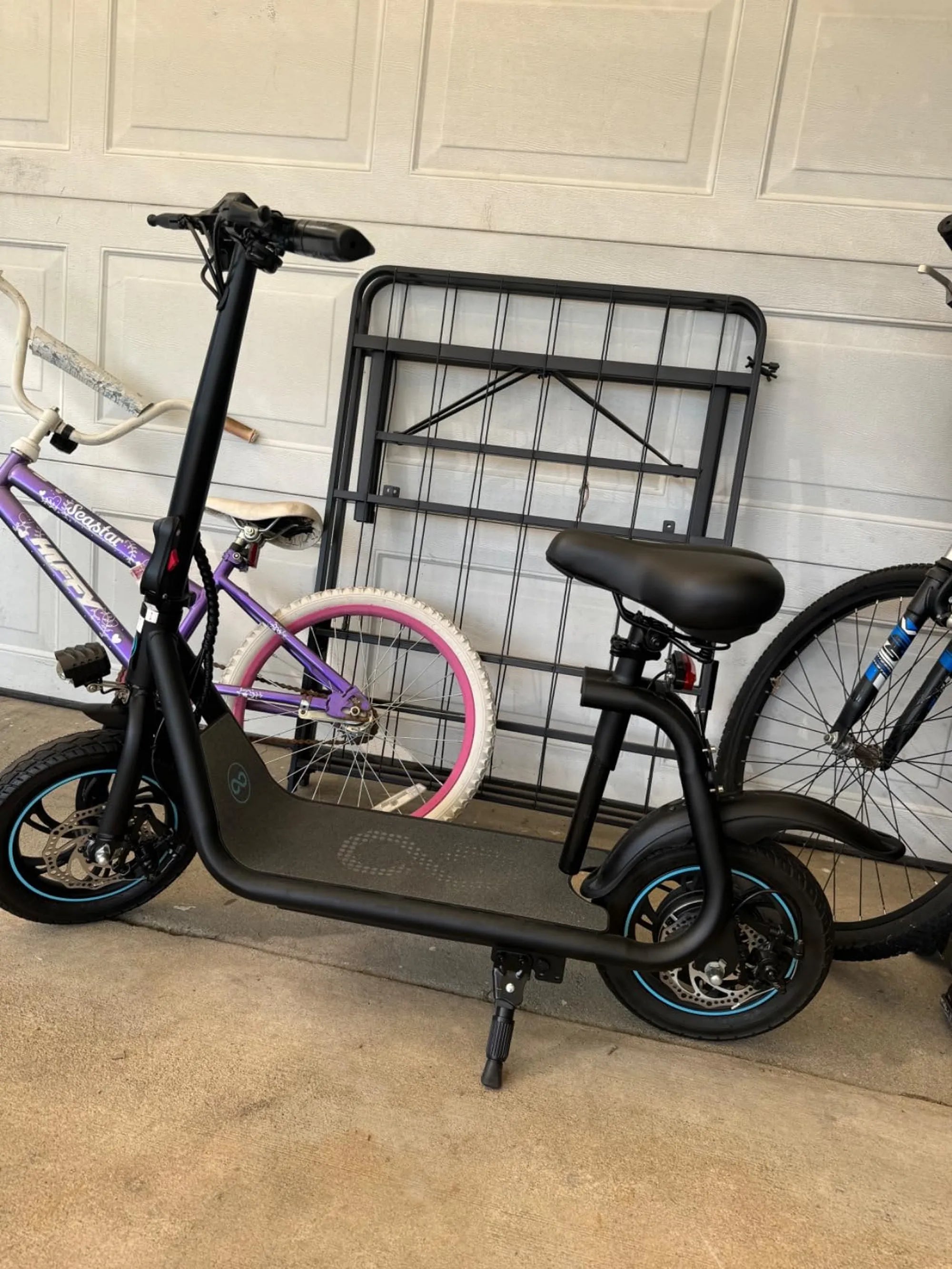
Electric personal transportation has exploded in popularity, offering eco-friendly alternatives to cars and public transit. Two of the most exciting options—e scooters and e skateboards—each bring unique advantages to the table. But which one is the better choice for your daily commute or weekend adventures? Let’s dive into the key differences to help you decide.
Speed and Performance
When it comes to speed, e scooters generally have the upper hand. Most models can reach speeds between 15-25 mph, with high-performance versions pushing even higher. E skateboards, on the other hand, typically max out around 20 mph, though some premium models can match or exceed e scooter speeds. Acceleration is where e skateboards shine—many offer instant torque, making them feel more responsive.
Portability and Convenience
E skateboards win big in the portability department. Weighing as little as 10-15 pounds, they’re easy to carry when not in use. E scooters, while foldable, often weigh 25-40 pounds, making them bulkier to transport. If you need to hop on a bus or store your ride under a desk, an e skateboard might be the more practical choice.
Learning Curve and Safety
E scooters are generally easier to master—most people can ride one comfortably within minutes. E skateboards require more balance and skill, especially for beginners. Safety features also differ: e scooters often include lights, horns, and wider decks for stability, while e skateboards rely more on the rider’s ability to maintain balance and control.
Terrain Handling
E scooters handle rough terrain better thanks to their larger wheels and sometimes suspension systems. They can navigate cracks, bumps, and even light off-road conditions with relative ease. E skateboards perform best on smooth pavement, though models with larger, softer wheels can manage minor imperfections.
Battery Life and Range
Both devices offer similar ranges in their respective price brackets, typically 10-30 miles per charge. However, e scooters often have larger batteries due to their size, which can translate to slightly longer ranges. Charging times are comparable, usually taking 3-6 hours for a full charge depending on the model.
Cost Considerations
Entry-level models for both start around the same price point, but e scooters tend to offer more features at lower price points. As you move up in quality and performance, both can become significant investments, with premium models reaching similar high-end price tags.
Legal Restrictions
Many cities have different regulations for these devices. E scooters often face more restrictions regarding where they can be ridden, while e skateboards sometimes fall into a gray area. Always check local laws before making your purchase decision.
Commuting Practicality
For daily commuting, e scooters often prove more practical with their standing position, storage options (like baskets), and better visibility in traffic. E skateboards offer a more compact solution for last-mile transportation but may be less comfortable for longer distances.
Whether you choose an e scooter or e skateboard ultimately depends on your specific needs and preferences. If you prioritize ease of use and stability, an e scooter might be your best bet. For those who value portability and enjoy the thrill of skateboarding, an e skateboard could be the perfect fit. Both offer exciting ways to reduce your carbon footprint while adding fun to your daily travels—so why not test ride both before deciding?
Electric Powered Scooters for Sale: The Future of Urban Mobility
Bester E-Scooter 2025 Test: Top Picks and Future Trends