



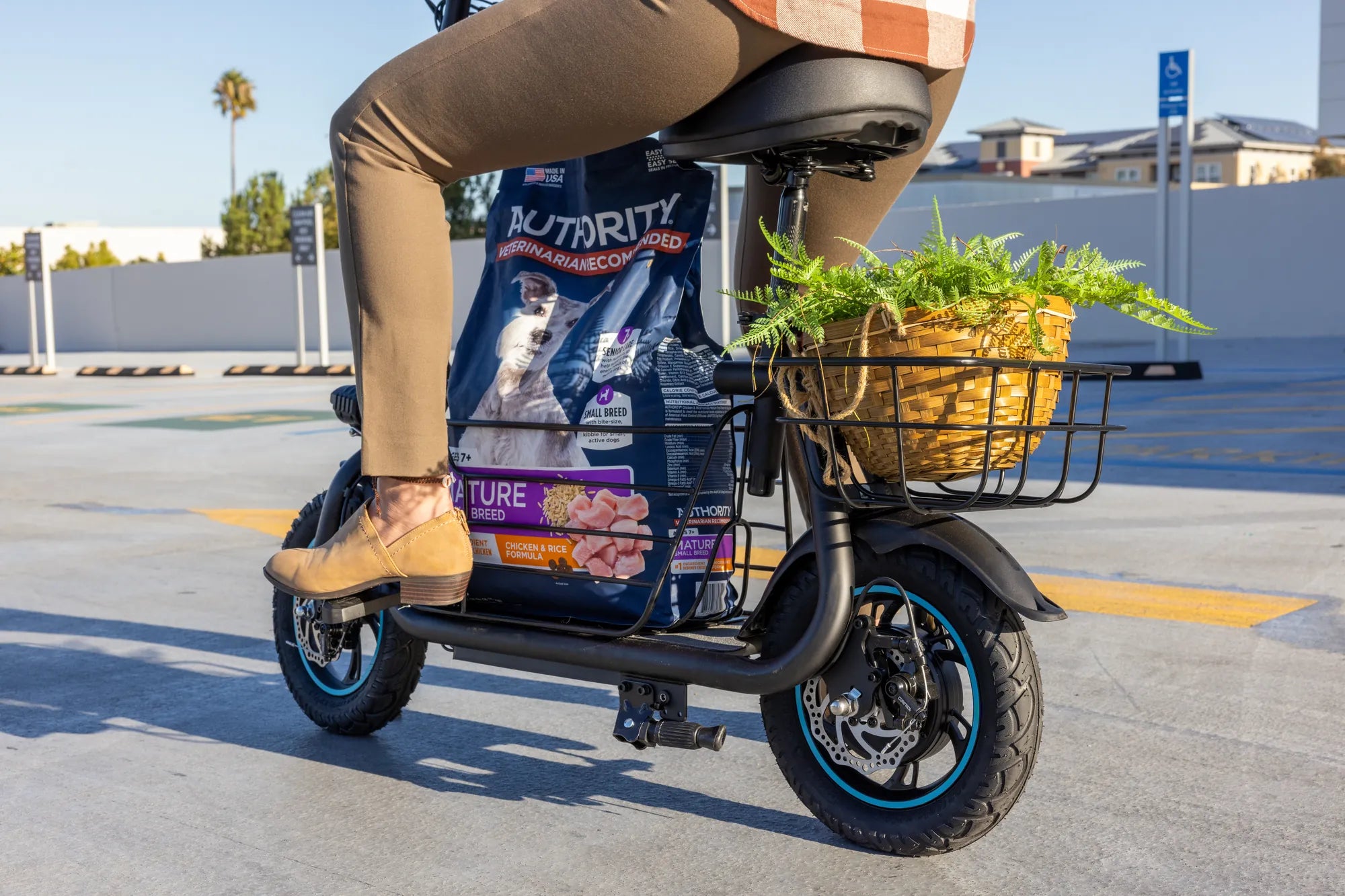
Nothing kills the thrill of riding an e scooter faster than discovering it won’t charge. Whether you rely on it for daily commutes or weekend adventures, a dead battery can be a major inconvenience. But before you give up and call for professional help, there are several steps you can take to diagnose and potentially fix the issue yourself. Let’s dive into the most common reasons why an e scooter won’t charge and how to resolve them.
Common Reasons Why Your E Scooter Won't Charge
When your e scooter refuses to charge, the problem could stem from several sources. Here are the most likely culprits:
- Faulty Charger: The charger might be damaged or not providing the correct voltage.
- Loose Connections: Wires or ports may be loose, preventing proper contact.
- Battery Issues: The battery could be old, damaged, or completely drained beyond recovery.
- Blown Fuse: Some e scooters have fuses that can blow and disrupt charging.
- Software Glitches: A firmware issue might prevent the battery from charging properly.
How to Troubleshoot an E Scooter That Won't Charge
Before assuming the worst, follow these troubleshooting steps to identify the root cause:
Step 1: Check the Power Source
First, ensure the outlet you’re using is functional. Plug in another device to confirm. If the outlet works, move on to the charger.
Step 2: Inspect the Charger
Examine the charger for visible damage, such as frayed wires or bent pins. If possible, test with another compatible charger to rule out a faulty unit.
Step 3: Examine the Charging Port
Dirt, debris, or bent pins in the charging port can prevent a proper connection. Use a flashlight to inspect the port and gently clean it if necessary.
Step 4: Test the Battery
If the scooter has a removable battery, try charging it separately. If it still doesn’t charge, the battery may need replacement.
Step 5: Look for Blown Fuses
Some models have fuses near the battery or charging port. Check the manual for their location and replace them if needed.
Step 6: Reset the Scooter
A simple reset can sometimes resolve software-related charging issues. Turn off the scooter, wait a few minutes, and restart it.
Preventative Measures to Avoid Charging Problems
To minimize future issues, follow these best practices:
- Always use the manufacturer-recommended charger.
- Avoid overcharging the battery.
- Store the scooter in a dry, temperature-controlled environment.
- Regularly inspect the charging port and cables for wear.
When to Seek Professional Help
If you’ve tried all the above steps and your e scooter still won’t charge, it’s time to consult a professional. Persistent issues could indicate deeper electrical problems or a failing battery that requires expert attention.
Don’t let a charging issue keep you grounded. With these troubleshooting tips, you can often identify and fix the problem yourself—saving time and money. But if all else fails, a qualified technician can get your e scooter back in action quickly.
Electric Transport for Adults: The Future of Urban Mobility
Best Scooter Company: What Makes a Brand Stand Out in 2024