



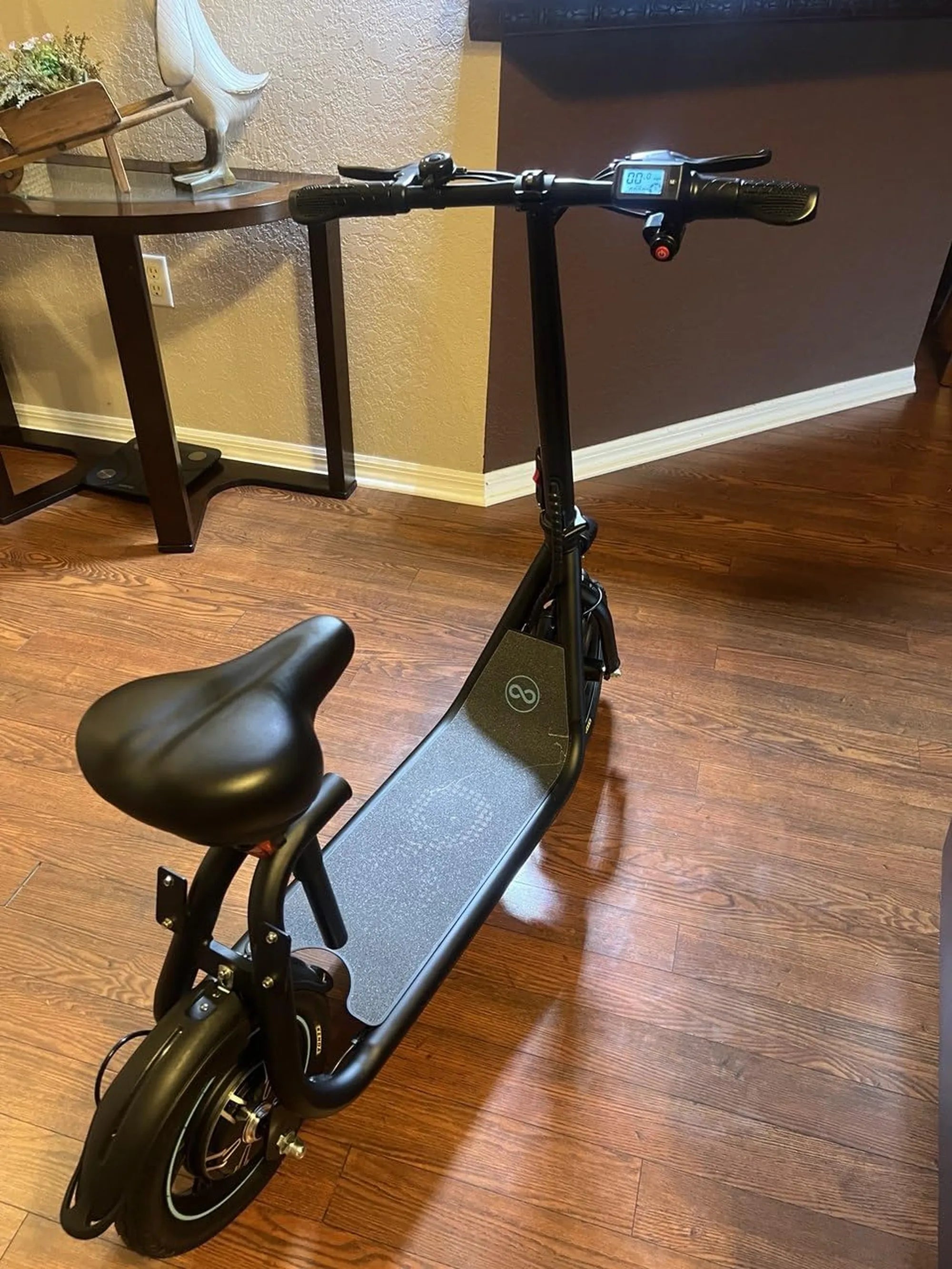
Imagine a world where the hum of electric motors quietly replaced the roar of gasoline engines over a century ago. Early electric scooters were not just a novelty—they were the first glimpse into a future of clean, efficient personal transportation that we're still striving to perfect today.
The Birth of Electric Mobility
Long before electric scooters became a common sight in city streets, inventors in the late 19th century were experimenting with battery-powered personal vehicles. The first patents for electric scooters appeared as early as the 1890s, with crude but functional designs that laid the groundwork for future developments.
Technological Limitations and Breakthroughs
Early models faced significant challenges with battery technology and motor efficiency. Lead-acid batteries, the only available option at the time, were heavy and provided limited range. However, these pioneering vehicles demonstrated the potential of electric propulsion for short-distance travel.
Key Features of Early Designs
- Simple DC motor systems
- Wooden or basic metal frames
- Minimal suspension systems
- Basic braking mechanisms
- Limited speed capabilities (typically under 15 mph)
The Rise and Fall of Early Adoption
Electric scooters enjoyed brief periods of popularity in the early 20th century, particularly in urban areas where their quiet operation and lack of emissions made them attractive. However, the mass production of affordable automobiles and improvements in gasoline engine technology soon overshadowed electric alternatives.
Legacy and Modern Revival
The fundamental concepts developed in early electric scooters directly influenced today's micro-mobility revolution. Modern engineers have built upon these early ideas with advanced materials, lithium-ion batteries, and smart technology to create the efficient vehicles we see today.
From clunky prototypes to sleek modern designs, electric scooters have come full circle. As cities worldwide embrace sustainable transportation, we're witnessing the triumphant return of an idea that was ahead of its time—proving that sometimes, the future arrives earlier than we expect.
Best Electric Scooters for Hill Climbing 2025: Top Picks for Power and Performance
Best Electric Scooters NZ: Top Picks for Commuters and Adventurers