



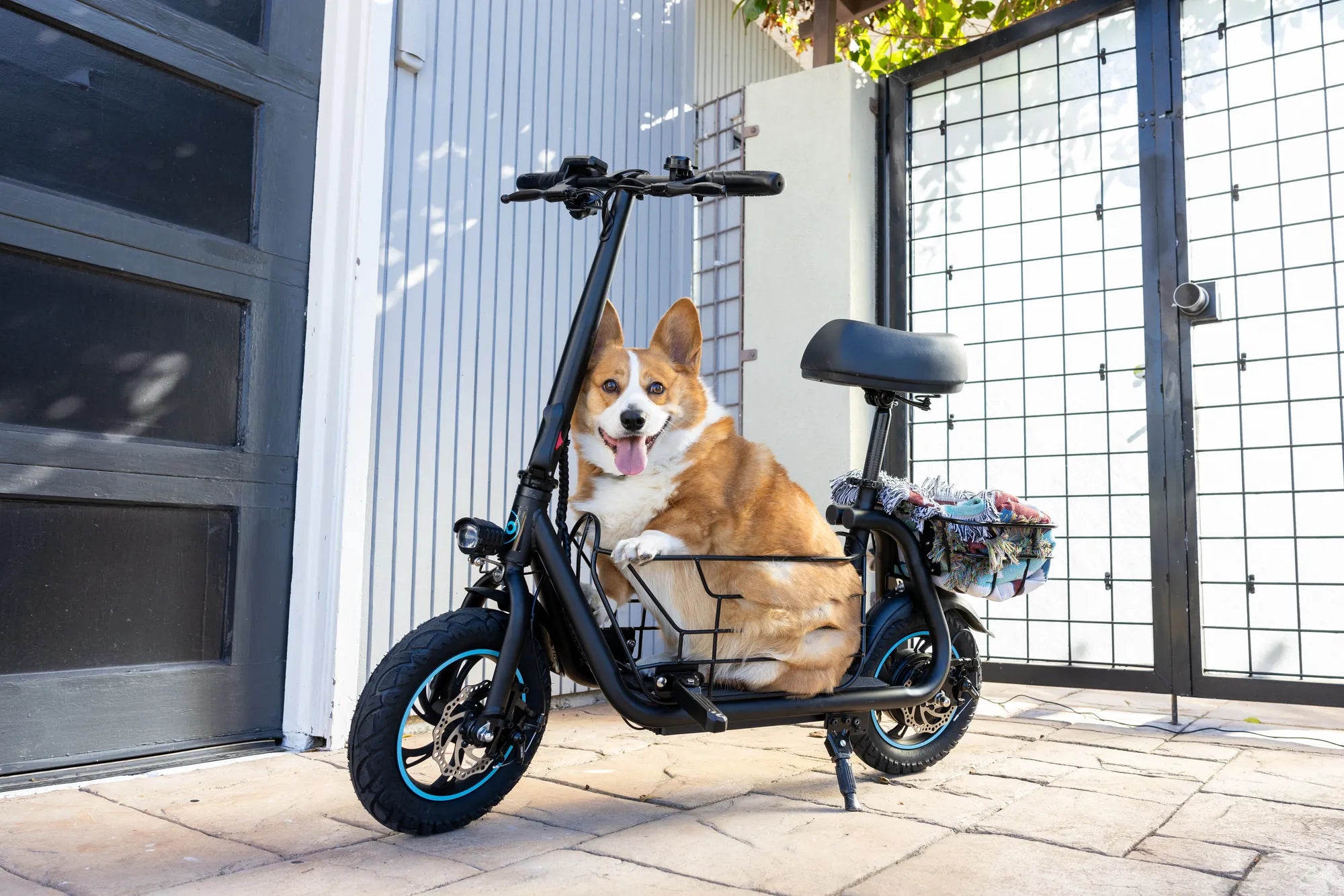
Introduction to E-Bike Battery Capacity
Ebike battery capacity is the single most critical specification determining your electric riding experience. Measured in Watt-hours (Wh), it represents the total energy stored in your battery pack, acting as the fuel tank for your electric bicycle. A higher capacity directly translates to longer potential range, more consistent power delivery on hills, and greater confidence on longer journeys.
Understanding this specification allows you to make an informed purchase that matches your commuting distance, recreational goals, or cargo-hauling needs. Unlike simplistic voltage ratings, capacity in Wh gives you a true apples-to-apples comparison between different models and brands. It is the foundational metric for predicting how far you can go on a single charge.
This guide will demystify ebike battery capacity, breaking down the technical details into practical knowledge. You will learn how to calculate your range needs, interpret manufacturer claims, and implement practices that preserve your battery's health for years. Choosing the right capacity is an investment in freedom, eliminating range anxiety and unlocking the full potential of electric assist.
We will also explore why the battery's construction and safety certifications are as important as its raw capacity number. A large but poorly made battery is a liability, while a properly engineered pack from a reputable brand provides reliable performance and peace of mind for the long term.
Understanding Watt-Hours (Wh): The True Measure of Capacity
Watt-hour (Wh) is the universal unit for measuring ebike battery capacity because it accounts for both voltage (V) and amp-hour (Ah) ratings. Think of voltage as the "pressure" of the electrical system and amp-hours as the size of the "pipe" carrying the current. Multiplying these two values gives you the total energy available: Voltage (V) x Amp-hours (Ah) = Watt-hours (Wh).
This formula is crucial for accurate comparisons. For example, a 36V 10Ah battery has a capacity of 360Wh. A 48V 10Ah battery has a capacity of 480Wh—33% more energy despite having the same 10Ah rating. The higher voltage system can deliver power more efficiently, especially under load, making the Wh rating the true indicator of potential range and performance.
Manufacturers may list specifications in various ways, but the Wh rating is the most reliable figure. When evaluating an electric bike, always look for this number in the technical specifications. A mid-drive commuter bike might feature a 500Wh battery integrated into the frame, while a high-performance off-road model could use a removable 720Wh pack for extended adventures.
Common capacity ranges for modern electric bikes typically span from around 300Wh for lightweight, short-range models to over 1000Wh for long-distance touring and cargo bikes. The popular sweet spot for most commuters and recreational riders falls between 400Wh and 600Wh, offering a balance of range, weight, and cost.
Breaking Down Voltage and Amp-Hours
Voltage determines the system's power potential. Most consumer electric bikes operate on 36V or 48V systems, with some high-performance models using 52V. A higher voltage allows the motor to draw power with less current, which can mean better hill-climbing torque and slightly more efficient energy use, contributing to a longer effective range from the same Wh capacity.
Amp-hours (Ah) indicate how much current the battery can deliver over time. A 10Ah battery can theoretically supply 10 amps of current for one hour before depleting. In practice, real-world discharge is more complex, but Ah is a key component of the capacity equation. When paired with higher voltage, a moderate Ah rating can still yield a high Wh capacity.
How Capacity Translates to Real-World Range
While battery capacity sets the maximum energy available, real-world range is determined by how quickly that energy is consumed. The primary drain on your ebike battery capacity is the motor's power draw, which fluctuates based on several key factors. Understanding these variables helps you set realistic expectations and plan your rides accordingly.
Rider weight and cargo load have a significant impact. Heavier loads require more energy to accelerate and maintain speed. Terrain is another major factor; constant hill climbing can consume battery power 2-3 times faster than riding on flat pavement. The level of pedal assist or use of a throttle also drastically changes consumption rates.
External conditions like headwinds, tire pressure, and ambient temperature play crucial roles. Riding into a strong headwind mimics climbing a gradual hill, while under-inflated tires create more rolling resistance. Cold weather (below 50°F/10°C) can temporarily reduce lithium-ion battery performance by 10-30%, as chemical reactions within the cells slow down.
The following table provides generalized range estimates for different battery capacities under typical mixed conditions for an average rider (165 lbs / 75 kg) on a Class 1 or Class 2 electric bike. These figures are approximations; your actual mileage will vary.
| Battery Capacity (Wh) | Estimated Range (Pedal Assist) | Estimated Range (Throttle Only) |
|---|---|---|
| 300 Wh | 15 - 30 miles | 10 - 20 miles |
| 400 Wh | 25 - 45 miles | 15 - 28 miles |
| 500 Wh | 35 - 60 miles | 20 - 35 miles |
| 600 Wh | 45 - 75 miles | 25 - 42 miles |
| 750+ Wh | 60 - 100+ miles | 35 - 55+ miles |
Choosing the Right Capacity for Your Riding Style
Selecting the optimal ebike battery capacity requires an honest assessment of your primary use case. A capacity that is too small leads to constant range anxiety and frequent charging, while an excessively large battery adds unnecessary weight, cost, and charging time. Matching capacity to your lifestyle ensures a satisfying and practical ownership experience.
For urban commuters, calculate your total daily round-trip distance and add a 20-30% buffer for errands, detours, or windy days. If your commute is 10 miles each way, a 400-500Wh battery is typically sufficient. Consider charging accessibility; if you can charge at work, you could opt for a smaller, lighter battery. If not, choose a capacity that comfortably covers your longest possible day.
Off-road and adventure riders need to prioritize capacity. Trail riding, especially with elevation gain, consumes energy rapidly. For mountain biking or exploring remote paths, a minimum of 600Wh is recommended, with 750Wh or dual-battery systems being ideal for full-day excursions. The extra energy ensures you won't be left pedaling a heavy bike home with a depleted battery.
Recreational and cargo bike users have unique demands. Casual riders covering 20-30 miles on bike paths may find a 400-500Wh battery perfect. For cargo bikes hauling groceries or children, the added weight and frequent stops demand more energy. A 600Wh+ capacity is advisable for cargo applications, ensuring consistent assist power is available even under heavy loads.
The Gyroor Advantage: Safety and Reliability Built-In
At Gyroor, we understand that ebike battery capacity is meaningless without safety, durability, and intelligent management. Every Gyroor electric bike and scooter is powered by a UL-certified battery pack, undergoing rigorous testing for over 500 charge cycles. This certification is your assurance against the risks of thermal runaway and fire, a critical consideration often overlooked.
Our batteries are housed in IPX5 water-resistant designs, protecting the sensitive electronics from rain, road spray, dust, and sweat. This robust construction ensures consistent performance and longevity, whether you're commuting in a drizzle or storing your bike in a damp garage. The battery management system (BMS) actively monitors cell voltage, temperature, and current, preventing over-charge, over-discharge, and short circuits.
This commitment to quality is backed by a comprehensive 1-year warranty, covering defects in materials and workmanship. For over 100,000 riders across North America and Europe, this translates to long-term capacity retention and reliable power delivery. You can focus on the ride, confident that your battery is engineered for real-world conditions.
Maximizing Your Battery's Lifespan and Health
A lithium-ion battery is a consumable component, but its lifespan can be dramatically extended with proper care. The goal is to minimize stress on the cells, which degrades their ability to hold a charge over time. By following these data-driven practices, you can preserve your ebike battery capacity for years, not just months.
Optimal charging habits are paramount. Avoid regularly draining the battery to 0%. Instead, try to recharge when it reaches 20-30% capacity. Similarly, you don't need to charge to 100% for every ride. For daily use, charging to 80-90% is less stressful on the cells. A full 100% charge is best reserved for when you need maximum range for a long trip.
Proper storage is critical for seasonal riders. If storing your electric bike for more than a month, charge (or discharge) the battery to approximately 50-60% capacity. Store it in a cool, dry place, away from direct sunlight or freezing temperatures. A battery stored at 100% charge in a hot garage will lose capacity much faster than one stored at half-charge in a climate-controlled space.
Regular maintenance involves keeping the battery contacts clean and dry, ensuring it is securely mounted to prevent vibration damage, and avoiding physical impacts. Use only the manufacturer-provided charger, as off-brand chargers may not regulate voltage correctly. If your bike's system offers firmware updates, install them, as they often include improvements to battery management algorithms.
Battery Capacity Myths vs. Facts
Misinformation about lithium-ion batteries is widespread. Let's debunk some of the most common myths with clear, factual explanations to help you get the most from your ebike battery capacity.
Myth: "You should always fully drain and recharge a new battery to 'calibrate' it." Fact: This was true for old nickel-cadmium batteries but is harmful to modern lithium-ion cells. The best practice is to give it a full initial charge, then use and charge it normally, avoiding deep discharges.
Myth: "Leaving your battery on the charger overnight will overcharge and ruin it." Fact: Quality chargers and built-in Battery Management Systems (BMS) automatically switch to a trickle or maintenance mode once the battery is full, preventing overcharging. However, for long-term storage, unplugging it is still recommended.
Myth: "A higher voltage (e.g., 52V) battery always gives you more range than a 48V battery of the same Ah." Fact: Range is primarily a function of total Wh (energy). A 52V 15Ah battery (780Wh) has more capacity than a 48V 15Ah (720Wh) battery, hence more range. The voltage alone doesn't determine range; the Wh does.
Myth: "More battery cycles always mean a dead battery." Fact: A "cycle" is defined as using 100% of the battery's capacity, which can be spread over multiple partial charges. A quality battery rated for 500+ cycles to 80% of original capacity will still provide substantial range for years of daily use.
Myth: "All batteries with the same Wh rating are created equal." Fact: The quality of the lithium-ion cells (e.g., from brands like Samsung, LG, or Panasonic), the design of the battery pack, and the sophistication of the BMS cause huge variations in real-world performance, safety, and longevity.
Frequently Asked Questions (FAQ)
Q: How long should an ebike battery last before needing replacement?
A: A quality battery should retain at least 70-80% of its original capacity after 500 full charge cycles. For a commuter using 50% of the battery per day, this equates to roughly 3-5 years of service before noticeable range reduction may prompt a replacement.
Q: Can I carry a spare battery to extend my range?
A> Yes, if your electric bike model supports removable batteries and you can purchase a compatible spare. Swapping a depleted battery for a fully charged one is an effective way to double your range on long rides, provided you have a safe way to carry the spare.
Q: Does using a faster charger damage my battery?
A> Using a charger with a higher amperage output than specified by the manufacturer can generate excess heat and accelerate cell degradation. Always use the charger provided with your bike or a manufacturer-approved replacement to ensure safe, optimal charging.
Q: Why does my battery's range seem shorter in the winter?
A> Cold temperatures increase the internal resistance of lithium-ion cells, reducing their ability to deliver power and temporarily decreasing available capacity. Storing the battery indoors and keeping it insulated during your ride can help mitigate this effect.
Q: Is it safe to ride my ebike in the rain?
A> With a properly rated bike and battery, yes. Look for an IP rating (like Gyroor's IPX5) on the battery and motor. This indicates protection against water jets. While safe for riding in rain, you should never submerge the battery or use a high-pressure hose directly on electrical components.
Conclusion: Investing in Your Journey
Your ebike battery capacity is the cornerstone of your electric riding experience. It defines the boundaries of your adventures, the reliability of your commute, and the long-term value of your investment. By choosing a capacity that aligns with your needs and a brand that prioritizes certified safety and robust engineering, you secure years of dependable, enjoyable rides.
Remember that the number of Watt-hours is just the beginning. The underlying technology, protection systems, and warranty support are what transform a simple energy pack into a trusted component. With proper care and charging habits, you can maximize both the daily range and the overall lifespan of your battery.
Gyroor designs every product with this holistic understanding. From UL-certified cells to water-resistant housings and a commitment to customer support, we ensure that the battery powering your journey is as reliable as it is powerful. Explore a range designed for real life, where capacity meets quality, and range anxiety is replaced by riding confidence.
Ready to find an electric bike or scooter with the perfect balance of capacity, safety, and performance for your lifestyle? Browse the full Gyroor collection at gyroorboard.com.
Best E-Bike for Short Riders: The Ultimate Guide to Finding Your Perfect Fit
Best Ebike for Tall People: The Complete Sizing & Selection Guide