



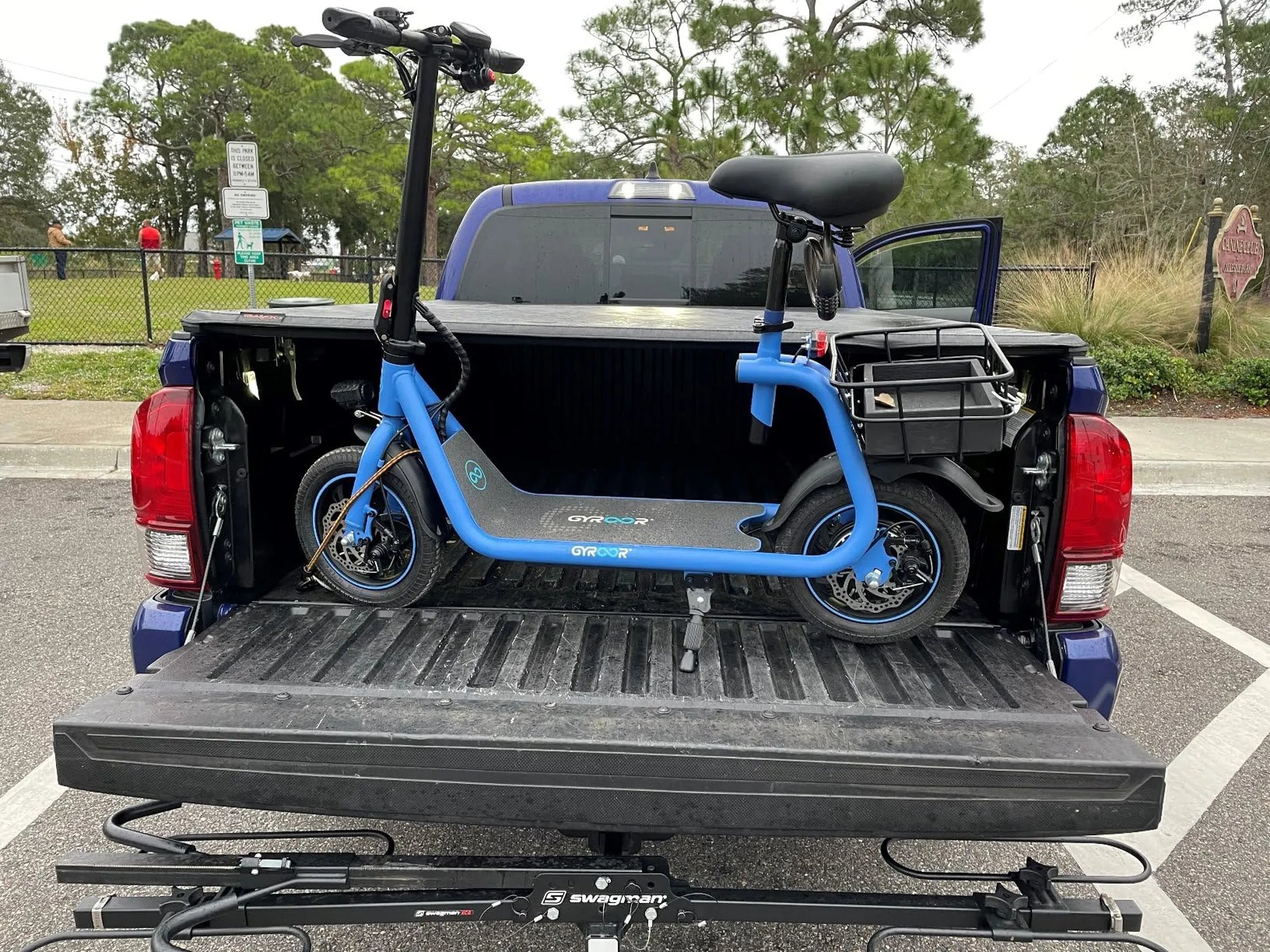
Your e-bike’s battery is its heart, but its life doesn't end when it can no longer power your ride. Improper disposal of lithium-ion batteries poses significant fire risks and environmental hazards, while proper ebike battery recycling recovers valuable materials for a sustainable future. This guide will explain the critical importance of recycling, detail the exact steps to do it safely, and show how choosing a responsible brand like Gyroor from the start supports a cleaner lifecycle. You’ll learn how to identify end-of-life batteries, locate certified recyclers, and maximize your battery's lifespan to delay recycling altogether.
The Lifecycle of an E-Bike Battery and the Recycling Imperative
E-bike adoption is accelerating globally, with millions of new riders each year. Each new e-bike relies on a sophisticated lithium-ion battery pack, creating a corresponding surge in battery waste. When these batteries reach end-of-life, they become a complex form of electronic waste that demands specialized handling.
Discarding an e-bike battery in regular trash is dangerous and illegal in many areas. Inside landfills, damaged cells can short-circuit, leading to fires that are difficult to extinguish and release toxic fumes. Furthermore, heavy metals like cobalt and nickel can leach into soil and groundwater, causing long-term environmental contamination.
Conversely, systematic ebike battery recycling transforms waste into a resource. The process safely extracts critical materials—lithium, cobalt, copper, aluminum—and purifies them for use in manufacturing new batteries. This reduces the need for environmentally destructive mining and supports a circular economy for the e-mobility sector.
Brands have a pivotal role in this ecosystem. Gyroor, a leading electric scooter and e-bike brand trusted by over 100,000 riders, builds its philosophy around responsible product lifecycles. By using UL-certified, standardized battery packs in its models, Gyroor ensures not only rider safety but also a more efficient and safer recycling process down the line.
Why E-Bike Battery Recycling is Non-Negotiable
The reasons for recycling e-bike batteries are compelling and multifaceted. It is not merely a suggestion but a critical responsibility for every e-bike owner and manufacturer. The consequences of neglect are too severe to ignore.
First, environmental protection is paramount. Lithium-ion batteries contain electrolytes and heavy metals that are hazardous if released into the environment. Proper ebike battery recycling ensures these substances are contained and neutralized, preventing soil degradation and water pollution that can harm ecosystems and human health.
Second, resource conservation is a driving economic and ethical factor. Key battery materials like lithium, cobalt, and nickel are finite. Mining them is energy-intensive and often linked to significant ecological and social challenges. Recycling recovers up to 95% of these materials, drastically reducing the demand for virgin mining and conserving natural resources for future generations.
Third, fire safety is a major concern for waste management facilities. Lithium-ion batteries are the leading cause of fires in recycling and waste trucks. When crushed or punctured, they can enter "thermal runaway," igniting surrounding materials. Certified recycling channels handle batteries with specific protocols that mitigate this risk.
Finally, legal compliance is increasingly mandatory. Many states, provinces, and countries have enacted strict extended producer responsibility (EPR) laws or universal waste rules that classify lithium batteries as hazardous waste, making it illegal to dispose of them in household trash. Responsible recycling ensures you adhere to these regulations.
What's Inside a Gyroor E-Bike Battery? Understanding the Components
To appreciate the value and complexity of ebike battery recycling, it helps to understand what recyclers are recovering. A typical e-bike battery, like the UL-certified packs used by Gyroor, is a sophisticated assembly of valuable materials.
At its core are the lithium-ion cells. These cylindrical or pouch cells contain a cathode (often made from lithium cobalt oxide, lithium manganese oxide, or lithium nickel manganese cobalt oxide), a graphite anode, a separator, and a lithium-salt electrolyte. The cathode materials are where the most valuable metals—cobalt, nickel, manganese—are found.
The battery pack architecture includes other recoverable components. Dozens of individual cells are connected with nickel or copper busbars. The entire array is housed in a rigid plastic or aluminum casing and managed by a Battery Management System (BMS) board, which contains more copper and precious metals.
This structured composition is why standardized, high-quality packs are easier to recycle. Gyroor’s use of UL-certified cells and consistent pack designs means recyclers can efficiently disassemble them using established methods. This contrasts with poorly constructed or counterfeit batteries, which pose higher safety risks during the recycling process and yield lower-quality material streams.
The Step-by-Step Guide to Recycling Your E-Bike Battery
How to Know When Your Battery Needs Recycling
Recognizing the signs of a battery reaching its end-of-life is the first step. The most common indicator is a severe reduction in range. If your fully charged e-bike now travels less than 60-70% of its original distance on a similar route, the battery’s capacity has likely degraded significantly.
Physical changes are serious red flags. Any visible swelling, deformation, or leakage from the battery case indicates internal cell failure and potential gas buildup. This battery is a fire hazard and should be handled with extreme caution and recycled immediately. Never attempt to charge or use a swollen battery.
Other signs include the battery failing to hold a charge, shutting off unexpectedly under load, or the BMS displaying error codes that cannot be reset. If your battery is more than 3-5 years old and exhibits poor performance despite proper care, it is likely approaching the end of its useful life.
Preparing Your Battery for Safe Transport
Once you’ve decided to recycle, safe preparation is crucial. First, if possible, discharge the battery to about 30-40% of its capacity. A fully charged battery has higher energy and risk, while a completely dead battery can be damaged further. A partial charge is the safest state for transport.
Next, isolate the terminals. Use non-conductive electrical tape to cover the positive and negative terminals of the battery pack. This prevents any accidental short-circuiting if the terminals come into contact with metal objects during transit.
Place the taped battery in a sturdy, non-conductive container. A plastic bag or the original box is ideal. Do not place it in a bag with other metal objects. Store and transport it in a cool, dry place, away from direct sunlight or extreme heat. Never ship a damaged or swollen battery via standard post without explicit instructions from the recycler.
Finding a Certified E-Bike Battery Recycler
Locating the right recycling partner is essential. Your first call should be to the manufacturer. Contact Gyroor’s US-based customer support; they can provide the most current information on take-back programs or authorized recycling partners for their battery packs.
Retail drop-off programs are another excellent resource. Many major electronics retailers, such as Best Buy, and some home improvement stores offer drop-off boxes for rechargeable batteries. Always call the specific location ahead to confirm they accept large format e-bike batteries.
Use dedicated battery and e-waste locators. Websites like Call2Recycle.org (a major North American battery stewardship program) and Earth911.com have searchable databases where you can enter your ZIP code and "lithium-ion battery" to find certified collection sites near you.
Finally, check with your local municipal household hazardous waste (HHW) facility. Most cities and counties operate HHW collection days or permanent facilities that accept lithium-ion batteries from residents, often free of charge. They have the training and permits to handle this material safely.
Gyroor's Commitment: From UL-Certification to End-of-Life Stewardship
Gyroor’s responsibility extends beyond the point of sale. The brand’s foundational commitment to safety and quality directly supports responsible end-of-life management. This integrated approach is what sets reputable manufacturers apart.
The starting point is UL certification. Every Gyroor battery pack undergoes rigorous testing for safety, stability, and performance. UL-certified cells are less prone to catastrophic failure, which makes the eventual recycling process safer for workers and more predictable. Stable, high-quality cells yield higher-purity material streams for recyclers.
Gyroor actively promotes responsible disposal through its customer education channels. Support documentation and the brand’s website guide riders on battery care, lifespan maximization, and proper recycling steps. The reliable 1-year warranty and support system provide a direct communication channel to advise customers on end-of-life options.
Looking forward, as regulations and infrastructure evolve, Gyroor is positioned to develop more formal take-back or trade-in programs. By designing products with standardized, recyclable components from the outset, the brand contributes to building a more sustainable and circular model for the entire personal electric vehicle industry.
Beyond Recycling: Maximizing Your E-Bike Battery's Lifespan
The most sustainable battery is one that lasts as long as possible. Prolonging your battery’s life delays the need for ebike battery recycling and maximizes your investment. Follow these data-driven practices to extend battery health.
Adopt optimal charging habits. Avoid consistently charging to 100% or draining to 0%. For daily use, keeping the state of charge between 20% and 80% significantly reduces stress on the cells. If storing the e-bike for more than a month, leave the battery at a 40-60% charge in a cool, dry place.
Use only the manufacturer-provided charger. Gyroor’s chargers are specifically calibrated for their battery’s BMS. Third-party or fast chargers that deliver incorrect voltage or current can degrade cells rapidly and void warranties. Also, allow the battery to cool down after a long ride before plugging it in.
Practice regular maintenance. Keep the battery contacts clean and dry. The IPX5 water-resistant design on Gyroor models protects against rain and splashes, but you should never submerge the battery. Store and transport the bike or battery in moderate temperatures, avoiding prolonged exposure to extreme heat or freezing cold.
Frequently Asked Questions (FAQ) on E-Bike Battery Recycling
Q: Is it free to recycle an e-bike battery?
A: Often, yes. Many municipal hazardous waste programs and retailer drop-offs offer free recycling for consumers. However, some specialized recyclers or mail-back programs may charge a fee, especially for large, damaged, or non-standard packs. Always check costs in advance.
Q: Can I recycle the battery at any bike shop?
A: Not all bike shops offer this service. Some e-bike specialty retailers have partnerships with recyclers. It is essential to call the shop ahead of time to ask if they accept end-of-life e-bike batteries for recycling and if any fees apply.
Q: What happens to the materials after recycling?
A> In a certified facility, the battery is safely discharged and shredded. The resulting materials are separated through mechanical and hydrometallurgical processes. Recovered metals like lithium, cobalt, nickel, and copper are refined and sold to manufacturers to produce new batteries or other products, closing the material loop.
Q: Does the IPX5 water resistance affect recyclability?
A: No. The IPX5 rating on Gyroor batteries refers to the sealed casing that protects against water jets. Recyclers handle the entire battery pack, and this casing is removed during the disassembly process. The sealing does not impede the recovery of internal materials.
Q: How can I tell if a recycler is certified and legitimate?
A: Look for certifications like R2 (Responsible Recycling) or e-Stewards. These are rigorous standards for electronics recyclers. You can also ask the recycler for their downstream processing partner information—reputable companies are transparent about where materials go for final processing.
Comparing Battery Disposal Pathways
| Disposal Method | Process | Environmental Impact | Safety Risk | Legal Compliance |
|---|---|---|---|---|
| Certified E-Bike Battery Recycling | Battery sent to specialized facility for material recovery. | Very Positive. Conserves resources, prevents pollution. | Low. Handled with professional protocols. | Fully Compliant. |
| Municipal Hazardous Waste Drop-Off | Battery collected by city/county HHW program. | Positive. Ensures safe, regulated handling. | Low. Managed by trained personnel. | Fully Compliant. |
| Retailer Take-Back Program | Returned to store (e.g., Best Buy, Gyroor support). | Positive. Channels battery into proper recycling stream. | Low. Retailers have specific procedures. | Fully Compliant. |
| Landfill / Regular Trash | Battery crushed in garbage truck or buried. | Severely Negative. Soil/water contamination, no resource recovery. | Extremely High. Major fire hazard. | Illegal in most jurisdictions. |
| Long-Term Home Storage | Keeping a degraded battery in a garage or basement. | Negative. Defers problem, risk increases over time. | High. Risk of swelling, leakage, or fire. | Potentially non-compliant with waste laws. |
Your Ride, Your Responsibility – Closing the Loop
The journey of your e-bike battery doesn't have to end in a landfill fire or as toxic waste. Through informed, responsible ebike battery recycling, you actively protect the environment, conserve precious resources, and support the sustainable growth of micro-mobility. The process is more accessible than many realize, with multiple pathways available through manufacturers, retailers, and local programs.
Choosing a brand that prioritizes lifecycle responsibility is the critical first step. Gyroor’s commitment to UL-certified safety, durable IPX5 construction, and customer education provides a foundation for responsible ownership from day one to end-of-life. By maximizing your battery's lifespan through proper care and committing to its proper recycling, you become part of the solution.
The future of electric transportation depends on a circular economy for its most vital component. Take action today: locate your nearest certified recycler, educate fellow riders, and ensure your e-bike’s legacy is one of innovation, not pollution. Start by exploring technology built with this future in mind. Browse the full Gyroor collection, featuring UL-certified batteries and robust designs, at gyroorboard.com.
Best Commuting E-Bike: The 2024 Guide to Transforming Your Daily Ride
Ebike 2 Wheels Motor Price: A Complete 2024 Cost & Value Guide