



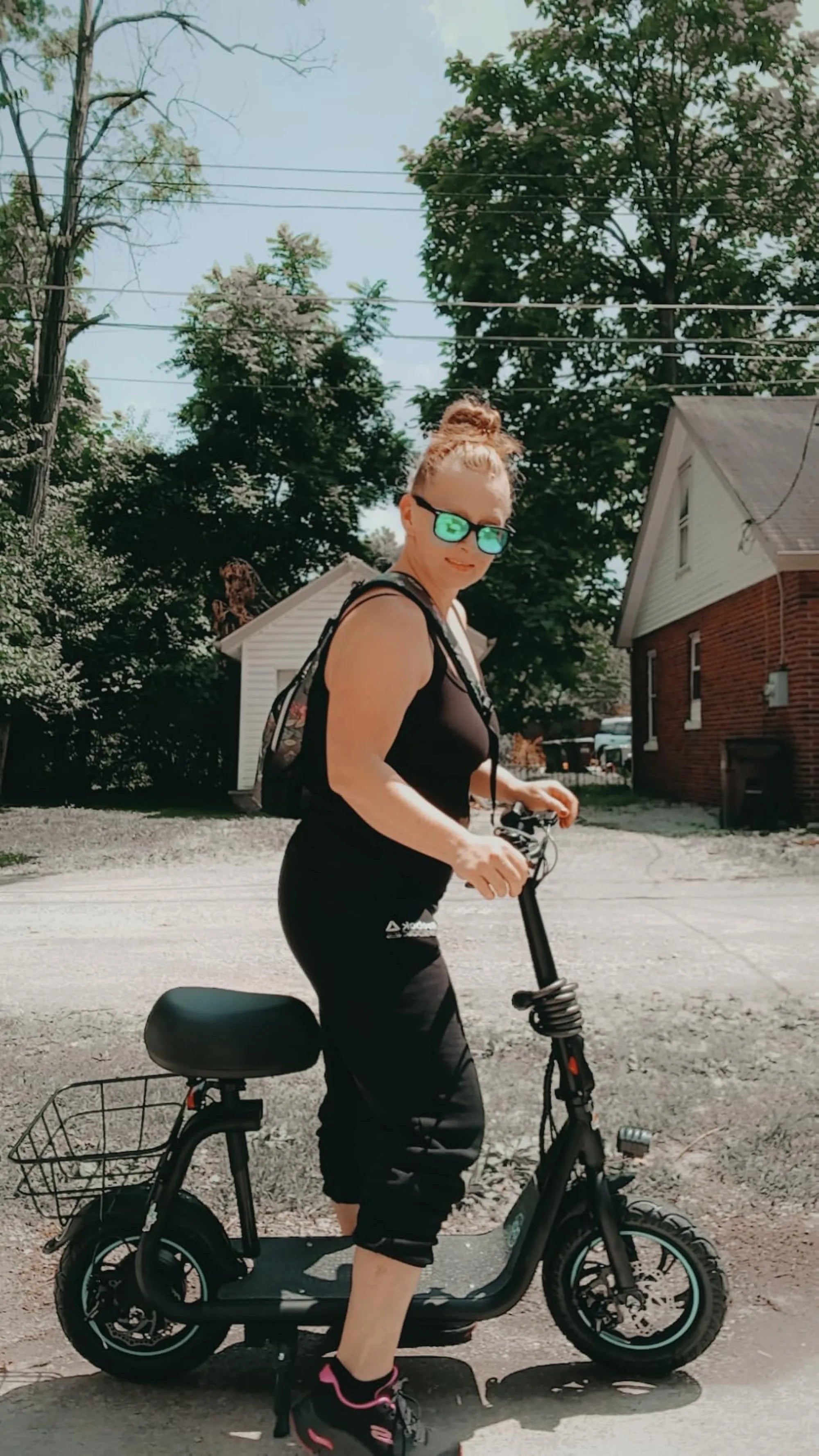
Introduction to Ebike Customization: Unlocking Your Ride's Full Potential
Ebike customization transforms your standard electric bicycle from a mass-produced product into a personalized machine that perfectly matches your riding style, comfort needs, and performance expectations. Unlike traditional bicycles, electric bikes offer dual modification pathways—mechanical and electrical—creating unprecedented opportunities for personalization. The core appeal lies in creating a ride that feels uniquely yours while optimizing it for your specific use case, whether that's daily commuting, weekend adventures, or cargo hauling.
Gyroor, as a leading electric mobility brand, designs its ebikes with this customization potential in mind. With over 100,000 riders across North America and Europe trusting their UL-certified batteries and robust construction, Gyroor platforms provide the reliable foundation upon which riders can build. This guide will walk you through every major aspect of ebike customization, from simple accessory additions to complex performance modifications, helping you make informed decisions that enhance your riding experience without compromising safety or reliability.
You'll learn how to approach modifications systematically, understanding which upgrades deliver the most value for different riding scenarios. We'll cover the technical considerations, legal boundaries, and practical installation advice that separates successful customization projects from costly mistakes. Whether you're looking to extend your range, improve comfort on long rides, or simply make your ebike visually distinctive, this guide provides the roadmap.
Key Areas for Ebike Customization: Where to Start Your Journey
Successful ebike customization begins with identifying which aspects of your ride need improvement. Most modifications fall into four distinct categories: performance, comfort, utility, and aesthetics. Performance upgrades focus on the electric and mechanical systems that determine speed, acceleration, and range. Comfort modifications address ergonomics and ride quality, directly impacting how long and how far you can ride without fatigue.
Utility enhancements transform your ebike into a practical tool for daily life, adding cargo capacity, security features, and all-weather capability. Aesthetic changes allow personal expression through colors, accessories, and unique components. A strategic approach involves prioritizing one category at a time based on your primary pain points. For commuters, utility and comfort often take precedence, while recreational riders might prioritize performance and aesthetics.
Before purchasing any component, verify compatibility with your specific ebike model. Gyroor's standardized mounting points and common component sizes across their lineup simplify this process. Document your bike's original specifications—including motor wattage, battery voltage, wheel size, and frame geometry—as this reference will prevent purchasing incompatible parts. Budget approximately 20-40% of your ebike's original cost for a comprehensive customization project that addresses multiple categories.
Performance Upgrades: Maximizing Speed, Range, and Power Responsibly
Performance modifications represent the most technical aspect of ebike customization, requiring careful consideration of electrical systems and local regulations. The three primary performance dimensions—speed, range, and torque—can be enhanced through different approaches. Speed increases typically involve controller tuning or motor upgrades, while range extensions focus on battery capacity. Torque improvements come from motor controller adjustments or gear ratio changes.
Battery Upgrades and Range Extenders
Increasing your ebike's range is the most requested performance modification. The safest approach involves adding a secondary, UL-certified battery pack like those used in Gyroor's systems, which maintains the original electrical safety standards. Parallel battery systems can extend range by 50-100% depending on capacity, while battery upgrades (swapping to higher capacity cells) require professional installation to maintain weather resistance and warranty coverage. Always prioritize batteries with proper thermal management and protection circuits.
Motor and Controller Tuning
Motor controller adjustments can unlock additional torque or speed, but must respect legal limits for electric bicycles in your region. In the United States, Class 1, 2, and 3 ebikes have specific speed and power restrictions that vary by state. Professional tuning services can optimize controller parameters for smoother acceleration or better hill-climbing performance without exceeding legal wattage limits. Remember that increased performance typically reduces battery range and may accelerate component wear.
Tire and Drivetrain Optimization
Often overlooked in ebike customization, tire selection dramatically affects performance. Low-rolling-resistance tires can increase range by 5-15%, while wider, knobby tires improve traction for off-road riding. Drivetrain upgrades—including higher-quality chains, cassettes, and derailleurs—improve shifting precision and efficiency, particularly important for mid-drive ebikes where the motor works through the gear system. Consider gear ratio changes if you frequently encounter steep hills or desire higher cruising speeds.
Comfort & Ergonomics: Engineering Your Perfect Riding Position
Comfort customization directly impacts how often and how far you'll ride your ebike. Unlike traditional bicycles where rider power limits distance, ebikes enable longer rides that magnify discomfort from poor ergonomics. The three contact points—saddle, handlebars, and pedals—deserve primary attention. Additionally, suspension systems and frame geometry adjustments can transform ride quality across different terrains.
Saddle Selection and Suspension Seatposts
The saddle represents the most personal comfort component in ebike customization. Measure your sit bone width to select an appropriately sized saddle, considering cut-out designs for pressure relief on longer rides. Suspension seatposts absorb road vibrations and minor impacts, particularly valuable for rigid-frame ebikes. Travel lengths from 30-80mm accommodate different rider weights and comfort preferences. Gel covers provide temporary relief but often create positioning issues during extended use.
Handlebar and Stem Adjustments
Handlebars determine your upper body position and control feel. Flat bars offer precise handling for technical riding, while swept-back bars provide a more relaxed, upright position for commuting. Adjustable stems allow fine-tuning of reach and height without replacing components. Ergonomic grips with palm support reduce pressure on the ulnar nerve, preventing hand numbness during longer rides. Consider bar-end extensions for additional hand positions on extended journeys.
Suspension Upgrades and Vibration Damping
Front suspension forks significantly improve comfort on rough surfaces, with air springs offering adjustable preload for different rider weights. Lockout features maintain efficiency on smooth roads. For ebikes without suspension, wider tires at lower pressures provide similar vibration damping. Frame protection kits with rubber or foam inserts can reduce high-frequency vibrations transmitted through the frame itself, a subtle but noticeable improvement for daily riders.
Utility & Cargo: Transforming Your Ebike into a Practical Vehicle
Utility-focused ebike customization increases your electric bicycle's functionality for practical transportation needs. The electric assist makes carrying heavy loads feasible, turning ebikes into genuine car alternatives for urban errands and commuting. Cargo systems, lighting, and security modifications represent the most cost-effective upgrades for daily riders, with immediate returns in convenience and versatility.
Cargo Racks and Bag Systems
Rear racks compatible with pannier bags offer the most versatile cargo solution, with weight capacities typically ranging from 25-50kg. Frame-mounted racks provide lower center of gravity for heavier loads. Front baskets and porteur-style racks offer quick-access storage for smaller items. Waterproof panniers with 20-40L capacity can handle grocery shopping or work essentials. Consider quick-release systems for easy bag removal when parking in public spaces.
Child Seats and Trailers
Mid-mounted child seats between rider and handlebars work best for younger children, providing stability and interaction. Rear-mounted seats suit older children but affect handling balance. Bike trailers offer the safest option for two children or heavy cargo, with dedicated ebike models featuring reinforced hitches and brake systems. Always verify your ebike's maximum gross vehicle weight rating before adding child seats or trailers, and reduce tire pressure slightly for improved stability with added weight.
Lighting and Safety Enhancements
Integrated lighting systems powered by the main battery provide consistent illumination without separate charging. Supplement with additional helmet-mounted lights for directional visibility. Horns or electronic bells ensure audible signaling in traffic. Mirrors—either handlebar-mounted or helmet-attached—improve situational awareness. Fenders become essential utility items in wet climates, with full-coverage designs preventing spray on both rider and drivetrain components.
The Gyroor Advantage: A Reliable Foundation for Customization Projects
Starting your ebike customization journey with a Gyroor electric bike provides distinct advantages that protect your investment in upgrades. The brand's engineering philosophy emphasizes reliability, safety, and standardization—all beneficial characteristics for modification projects. With UL-certified battery packs tested for 500+ charge cycles, you have a power foundation that meets rigorous safety standards before any modifications begin.
Gyroor's IPX5 water-resistant construction maintains weather protection even after adding compatible accessories. The 1-year comprehensive warranty covers manufacturing defects, giving you confidence in the core components while you personalize the bike. Their models use common component standards (ISO mountain bike brakes, standard seatpost diameters, universal rack mounts) that ensure broad aftermarket compatibility. This standardization reduces the frustration of sourcing specialized parts.
The brand's North American and European customer base of over 100,000 riders creates valuable community knowledge about successful modifications. Online forums and owner groups share specific installation tips for Gyroor models, helping you avoid common compatibility issues. When considering performance modifications, remember that Gyroor's motor and battery systems are engineered as integrated units—consult their technical support before making electrical changes to maintain optimal performance and safety.
<Data-Driven Customization: Making Informed Upgrade Decisions
Strategic ebike customization requires comparing options based on cost, benefit, and installation complexity. This comparison table helps prioritize modifications based on your primary goals and technical comfort level.
| Upgrade Type | Average Cost | Installation Difficulty | Primary Benefit | Range Impact |
|---|---|---|---|---|
| Comfort Saddle | $50-$150 | Easy (DIY) | Reduced pressure points | Neutral |
| Suspension Seatpost | $100-$300 | Moderate (DIY) | Vibration absorption | Neutral |
| Pannier Rack & Bags | $80-$250 | Easy (DIY) | Cargo capacity | -3% to -8% |
| Range Extender Battery | $300-$600 | Moderate | +50% to +100% range | Major increase |
| Aerodynamic Accessories | $40-$120 | Easy (DIY) | Reduced wind resistance | +2% to +5% |
| Performance Tires | $60-$150 pair | Moderate | Better traction/efficiency | -5% to +10% |
| Lighting System Upgrade | $70-$200 | Easy to Moderate | Safety & visibility | -1% to -3% |
The data reveals several customization insights. Comfort upgrades typically offer the best cost-to-benefit ratio for most riders, with immediate improvements in ride enjoyment. Cargo systems provide functional returns but decrease range due to added weight and aerodynamic drag. Aerodynamic improvements—like frame bags instead of panniers, or streamlined helmets—offer modest but measurable range gains, particularly at higher speeds.
Performance modifications show the widest variance in outcomes. Tire selection can either increase or decrease range significantly depending on tread pattern and compound. Professional installation costs for complex upgrades like battery expansions or motor tuning should be factored into total project budgets. Always measure your actual range before and after modifications using consistent riding conditions to quantify improvements accurately.
DIY vs. Professional Installation: Understanding Your Technical Boundaries
Knowing when to attempt ebike customization yourself versus hiring a professional mechanic protects both your safety and your investment. Mechanical modifications generally fall into three categories: simple bolt-on accessories, component replacements requiring basic tools, and complex system integrations needing specialized knowledge. Electrical modifications almost always warrant professional involvement due to safety risks and potential warranty implications.
DIY-friendly modifications include saddle swaps, handlebar changes, grip replacement, accessory mounting (lights, bells, mirrors), and basic cargo rack installation. These require only hex wrenches, torque wrenches, and following manufacturer instructions. Component upgrades like tire changes, brake pad replacement, and chain maintenance require more technical skill but remain accessible to mechanically inclined riders with proper tutorials.
Professional installation is recommended for suspension work, hydraulic brake service, drivetrain replacements, wheel truing, and any electrical system modifications. Certified ebike mechanics understand the unique torque requirements of electric bicycle components and have specialized diagnostic tools. For Gyroor owners, professional installation of complex upgrades maintains warranty coverage on affected systems. Many local bike shops now offer dedicated ebike service departments with technicians trained on electrical systems.
When in doubt, consult online tutorials specific to your ebike model and honestly assess your tools, skills, and confidence. A failed DIY attempt often costs more to fix professionally than original installation would have. Consider hybrid approaches—purchasing components yourself but paying for professional installation—to balance cost and quality outcomes.
Frequently Asked Questions on Ebike Customization
Will customization void my Gyroor warranty?
Modifications affect warranty coverage selectively. Bolt-on accessories that don't alter original components won't void your warranty. Electrical modifications or mechanical changes that cause damage to covered components may void warranty for those specific systems. Gyroor's warranty explicitly covers manufacturing defects in original parts—if your motor fails because of an incompatible battery you installed, the motor warranty wouldn't apply. Always document original condition and consult warranty terms before major modifications.
What's the most cost-effective comfort upgrade for commuting?
A quality saddle matched to your anatomy provides the highest comfort return per dollar. For most commuters, a suspension seatpost ranks second, followed by ergonomic grips. These three upgrades typically cost $150-$300 combined and transform a harsh ride into a comfortable one. Padded shorts offer additional comfort but aren't a bike modification per se. Tire pressure optimization (running at the lower end of recommended pressure) provides immediate comfort gains at zero cost.
Are there legal limits to modifying my ebike's motor power?
Yes, legal limits vary by jurisdiction but generally restrict motor output to 750 watts (1 horsepower) in the United States for classification as an electric bicycle. Speed is also restricted to 20 mph (Class 1 and 2) or 28 mph (Class 3) with motor assistance. Exceeding these limits may reclassify your vehicle as a moped or motorcycle, requiring registration, insurance, and different riding permissions. Some localities prohibit motor power modifications entirely—check your municipal codes before performance upgrades.
How do I maintain water resistance after adding accessories?
Maintain IPX5 or better water resistance by using manufacturer-approved mounting points, applying silicone sealant to bolt threads, routing cables through existing grommets, and using waterproof connectors for electrical accessories. After adding racks or bags, check that drain holes in the frame aren't blocked. For Gyroor ebikes, their IPX5 rating applies to the original configuration—you assume responsibility for maintaining weather protection with modifications. Waterproof bags and covers protect added electronics during heavy rain.
Can I add a throttle to a pedal-assist only ebike?
Technically possible but legally complicated. Adding a throttle to a Class 1 ebike (pedal-assist only) changes its classification to Class 2 in the United States, which may be prohibited in some areas or trail systems. The modification requires controller compatibility, proper wiring, and safety considerations. Many modern ebike controllers have throttle capability disabled at the software level. Professional installation is strongly recommended, and you must update your ebike's classification in locations requiring registration.
Your Custom Ebike Journey: Building Your Signature Ride
Ebike customization represents an ongoing process of refinement rather than a single project completion. Each modification teaches you more about your riding preferences, technical capabilities, and how you use your electric bicycle in daily life. The most successful custom builds evolve over time, with riders adding components seasonally or as needs change. Starting with high-impact, reversible modifications allows you to experiment without permanent consequences.
Remember that customization should solve specific problems or enhance particular experiences, not merely accumulate accessories. A thoughtfully modified ebike reflects your personal needs—whether that's a comfortable upright position for city riding, massive cargo capacity for family errands, or optimized efficiency for long-distance touring. The electric assist amplifies the benefits of thoughtful modifications, making even small improvements noticeably impactful during rides.
Your Gyroor ebike provides the reliable platform that makes customization rewarding rather than frustrating. With UL-certified electrical systems, robust construction, and standardized components, you can personalize with confidence. The growing community of electric bicycle enthusiasts offers endless inspiration, with online forums showcasing innovative modifications that push what's possible on two wheels.
Begin your ebike customization journey today by identifying one aspect of your ride that could be improved. Browse the full Gyroor collection at gyroorboard.com to see how their thoughtfully designed platforms serve as perfect canvases for your personalization vision. Each modification brings you closer to the ideal electric bicycle—one that doesn't just transport you, but expresses how you choose to move through the world.
What Size Pro Scooter Do I Need: The Ultimate Rider's Guide
Long Range Fat Tire Ebike: The Ultimate Guide to All-Terrain Electric Freedom