



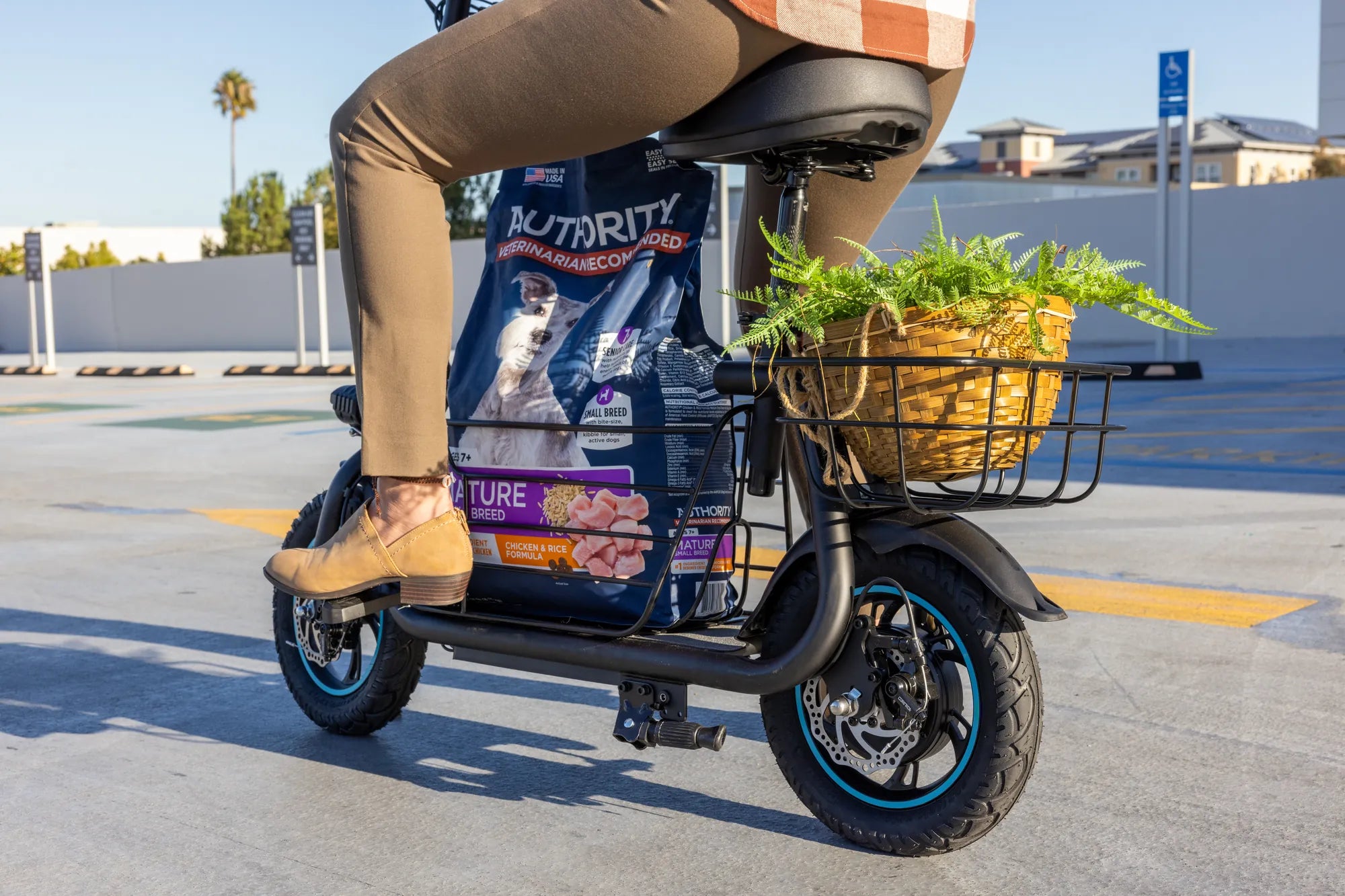
Introduction to E-Bike Cycles: The Modern Commuting Revolution
An ebike cycle, or electric bicycle, is a pedal-powered bicycle equipped with an integrated electric motor and battery to provide assistance. This assistance amplifies your pedaling effort, making hills feel flat, headwinds manageable, and long distances achievable without exhaustion. It fundamentally differs from motorcycles or scooters by requiring rider pedaling to activate the motor in most cases, blending human power with electric boost.
The core function of an ebike cycle is to solve pressing urban mobility challenges. It offers a practical alternative to car commutes, reducing traffic congestion, eliminating parking hassles, and cutting carbon emissions. For recreational riders, it opens up new possibilities, allowing more people to enjoy cycling regardless of fitness level or terrain difficulty. The modern ebike cycle is not about replacing the rider's effort but enhancing it, making cycling accessible and sustainable for a broader audience.
This guide will provide a detailed, data-driven exploration of ebike cycles. You will learn how they work, how to choose the right one for your needs, and how to ride safely and legally. We will dissect key components like motors and batteries, compare different types, and examine the performance specifications that matter. Understanding these elements is crucial for making an informed investment in your mobility and lifestyle.
Key Components and How an E-Bike Cycle Works
An ebike cycle is an integrated system of mechanical and electrical parts working in harmony. The primary components are the motor, battery, controller, sensor, and display. Each plays a critical role in delivering a seamless riding experience. The system's intelligence lies in how these parts communicate to provide assistance exactly when and how much the rider needs.
The process begins with the rider pedaling. A sensor, either cadence or torque-based, detects this motion and sends a signal to the central controller. The controller acts as the bike's brain, processing the sensor data and determining how much power to request from the battery. It then delivers that power to the electric motor, which provides proportional assistance to the drivetrain. The rider feels this as a boost, making pedaling easier. All this happens nearly instantaneously, creating a natural, intuitive feel.
The display unit, typically mounted on the handlebar, is the user interface. It allows the rider to select the level of pedal assist, monitor speed, track battery level and estimated range, and control integrated features like lights. This closed-loop system is what transforms a standard bicycle into a powerful, efficient, and versatile ebike cycle. The quality and integration of these components directly determine the bike's performance, reliability, and ride quality.
Motor Types: Hub-Drive vs. Mid-Drive Explained
The motor is the heart of the ebike cycle, and its placement significantly impacts performance. The two main types are hub-drive and mid-drive motors. A hub-drive motor is located within the center of the front or rear wheel. It directly spins the wheel to provide propulsion. This design is generally more affordable, simpler, and requires less maintenance on the bike's chain and gears, as it operates independently of the bicycle's drivetrain.
Hub-drive motors are common on city and commuter ebike cycles. They offer a straightforward feel, often with a throttle option for immediate power from a stop. However, because the motor's weight is in the wheel, it can affect handling and make flat tire repairs slightly more complex. For urban commuting on relatively flat terrain, a hub-drive system provides excellent value and sufficient performance.
A mid-drive motor is mounted centrally at the bike's bottom bracket, where the pedals and cranks are located. It drives the bicycle's chainring, working through the bike's existing gears. This central, low placement offers superior weight distribution and handling, making the bike feel more balanced and natural. The key advantage is efficiency, especially on hills; by leveraging the bike's gears, a mid-drive motor can apply its power more effectively, extending battery range and providing better climbing torque.
Mid-drive systems are typically found on high-performance mountain ebike cycles and premium commuters. They are more complex and often more expensive but deliver a ride quality that closely mimics a traditional bicycle, just with amplified strength. For riders tackling steep hills, technical trails, or those who prioritize efficient power use, a mid-drive ebike cycle is often the preferred choice.
Understanding E-Bike Batteries and Range
The battery is the fuel tank of your ebike cycle, storing the energy needed for electric assist. Virtually all modern e-bikes use Lithium-ion (Li-ion) battery packs due to their high energy density, relatively light weight, and long lifespan. Key specifications include voltage (V), amp-hours (Ah), and the most important metric, watt-hours (Wh). Watt-hours (Volts x Amp-hours) indicate the total energy capacity.
A higher Wh rating generally means a longer potential range. For example, a 500Wh battery can theoretically deliver 500 watts of power for one hour, or 250 watts for two hours. However, real-world range is influenced by numerous variables. Rider weight and cargo load significantly impact energy consumption. Heavier loads require more power to move. Terrain is another major factor; constant hill climbing can halve the range compared to flat pavement.
Other critical factors include the level of pedal assist used, wind resistance, tire pressure, and ambient temperature. Cold weather reduces battery chemical efficiency, temporarily decreasing range. Manufacturers provide a range estimate (e.g., 20-60 miles), but the actual distance will depend on how you ride and where. Using a lower assist level on flat ground will maximize range, while high assist on hills will deplete the battery faster.
Battery safety and longevity are paramount. It is essential to use batteries that are UL-certified, meaning they have passed rigorous independent safety tests for electrical, mechanical, and environmental hazards. Reputable brands like Gyroor utilize UL-certified battery packs tested for over 500 charge cycles, ensuring long-term reliability and peace of mind. Proper care, such as avoiding full discharges and storing in moderate temperatures, will further extend battery life.
Choosing the Right E-Bike Cycle for Your Needs
Selecting the perfect ebike cycle starts with honestly assessing your primary use case. The market offers specialized designs optimized for different purposes, and matching the bike to your lifestyle is the key to satisfaction. The main categories are defined by riding environment and intended function: city commuting, off-road adventure, and practical utility. Your daily needs should dictate the features you prioritize.
Consider your typical route. Will you be on smooth pavement, gravel paths, or mountain trails? How far do you need to travel? Do you need to carry groceries, children, or other cargo? Will you need to combine cycling with public transit or store the bike in a small apartment? Answering these questions will narrow down the type of ebike cycle that will serve you best. Investing time in this analysis prevents the common mistake of buying an over-spec'd or under-performing bike.
Beyond category, pay close attention to fit and comfort. Frame geometry, saddle design, and handlebar position greatly affect ride quality, especially for longer trips. Test riding different models, if possible, is invaluable. Finally, consider the brand's reputation for quality, safety standards, and customer support. A reliable warranty and accessible service network are crucial for a product you'll depend on daily. The right ebike cycle should feel like a natural extension of your mobility goals.
For the Urban Commuter: City and Hybrid E-Bikes
City and hybrid ebike cycles are designed for efficiency and comfort in an urban environment. They prioritize practical features that make daily commuting and errands effortless. Key characteristics include lightweight aluminum frames for easy maneuvering, an upright riding position for better visibility in traffic, and integrated components that reduce the need for add-ons.
Essential features for a commuter ebike cycle include full-length fenders to protect against road spray, a rear rack for carrying bags or panniers, and integrated bright front and rear lights for visibility day and night. A chain guard or belt drive can keep clothing clean. For the stop-and-go nature of city riding, a responsive motor with smooth pedal assist startup is crucial, and a throttle can be helpful for accelerating from traffic lights.
Given that commuters ride in all weather, water resistance is non-negotiable. Look for an IP rating on electrical components; an IPX5 rating, like those found on Gyroor models, ensures protection against water jets from any direction, making the bike reliable in rain. Moderate power (250W-500W) is usually sufficient for city hills, and a battery with 400-600Wh capacity will cover most round-trip commutes. The ideal urban ebike cycle is a low-maintenance, all-weather vehicle that gets you to your destination comfortably and efficiently.
For the Adventure Seeker: Mountain and Off-Road E-Bikes
Mountain ebike cycles, or e-MTBs, are engineered to conquer rugged trails, steep climbs, and technical descents. They are built around robust frames, often with full-suspension designs, to absorb impacts and maintain control on rough terrain. The motor in an e-MTB is almost always a mid-drive unit, prized for its superior torque, natural weight distribution, and ability to leverage the bike's wide-range gearing for massive climbing power.
Key specifications for off-road performance include high-torque motors (often 80Nm or more), powerful hydraulic disc brakes with large rotors for consistent stopping power on descents, and wide, knobby tires with aggressive tread for maximum traction. Suspension travel (the distance the fork and shock can compress) is critical; more travel allows for bigger hits but can make pedaling less efficient on smooth sections.
Durability is paramount. The frame, motor, and battery must withstand constant vibration, mud, and impacts. A robust warranty that covers the frame and motor for several years is a strong indicator of a manufacturer's confidence. For brands like Gyroor, building e-MTBs means adhering to strict standards for component strength and electrical system sealing. For the adventure seeker, the right ebike cycle transforms challenging terrain into accessible, exhilarating exploration, extending ride times and opening up new trails.
For Practical Utility: Cargo and Folding E-Bikes
Utility ebike cycles are designed for specific practical tasks, primarily cargo hauling and space-saving portability. Cargo e-bikes are the workhorses of the category, built with extended wheelbases, reinforced frames, and high-weight-capacity racks to transport heavy loads, groceries, or even children in specially designed seats. They are ideal for replacing car trips for local shopping and school runs.
A cargo ebike cycle requires a high-torque motor, often a robust mid-drive or a powerful geared hub motor, to move heavy loads from a standstill and up hills. Stability is provided by a long wheelbase and, in some models, a third wheel. Key features include integrated running boards, multiple attachment points for bags and baskets, and sometimes a low step-through frame for easy mounting when loaded.
Folding ebike cycles solve the problems of storage and multi-modal travel. They feature hinges and latches that allow them to collapse into a compact form in seconds. This makes them perfect for apartment dwellers, people who need to store a bike in an office or small vehicle, and commuters who combine cycling with trains or buses. The trade-off is often smaller wheels and a more compact frame, which can slightly affect ride stability at high speeds compared to full-sized bikes. When choosing a folder, look for a simple, robust folding mechanism, a manageable weight, and a battery that remains secure when folded. Both cargo and folding ebike cycles demonstrate the electric bicycle's versatility as a direct replacement for car trips in daily life.
E-Bike Cycle Performance: Data, Laws, and Safety
Understanding the performance envelope and legal framework of your ebike cycle is essential for safe and lawful operation. Performance is not just about top speed; it encompasses acceleration, hill-climbing ability, braking distance, and range. These metrics are governed by the bike's class rating, which in turn is tied to local regulations. Being an informed rider protects you and promotes harmony on shared pathways.
Real-world performance data helps set realistic expectations. For instance, a 250W motor may provide adequate assist for flat commutes for a lighter rider but struggle on sustained 10% grades for a heavier rider. Braking distance can increase significantly when the bike is loaded with cargo or riding in wet conditions. Familiarizing yourself with your specific model's capabilities through gradual testing in safe environments is a critical part of the ownership process.
Safety and legality are intertwined. Riding a bike that exceeds local power or speed limits for its classification can result in fines and may void insurance in case of an accident. Furthermore, using appropriate safety gear is a non-negotiable aspect of responsible riding. This section provides a data-driven overview to guide you toward compliant and confident use of your ebike cycle.
Speed, Class System, and Local Regulations
In North America, a three-class system is widely adopted to categorize ebike cycles and regulate their use. This system is based on top assisted speed and the method of activation. Class 1 ebikes are pedal-assist only, with no throttle, and the motor stops providing assistance when the bike reaches 20 mph (32 km/h). They are generally permitted anywhere a traditional bicycle is allowed.
Class 2 ebike cycles are also capped at 20 mph but are equipped with a throttle that can propel the bike without pedaling. Their access to trails and bike paths can be more restricted than Class 1, as some jurisdictions treat throttle capability differently. Class 3 ebikes are pedal-assist only (like Class 1) but have a higher maximum assisted speed of 28 mph (45 km/h). They are often required to have a speedometer and may be restricted from certain bike paths, limiting them more to road use.
It is the rider's responsibility to know and follow local laws, which can vary by state, province, and even municipality. Regulations can dictate minimum age, helmet requirements (often mandatory for Class 3 and for riders under 18), where you can ride (road, bike lane, multi-use path), and whether insurance or registration is required. Always check your local department of transportation or cycling advocacy website for the most current rules before riding.
Safety Gear and Riding Best Practices
Prioritizing safety transforms a fun activity into a sustainable habit. The most important piece of safety equipment is a helmet. For ebike cycle riders, especially those riding at Class 3 speeds, a helmet designed for higher impacts is advisable. Look for helmets with MIPS (Multi-directional Impact Protection System) technology, which can provide additional protection against rotational forces in certain crashes.
Essential visibility gear includes bright, always-on front and rear lights, even during the day. Reflective clothing, ankle bands, or a reflective vest dramatically increase your visibility to drivers. A loud bell or horn is crucial for alerting pedestrians and other cyclists on shared paths. For cargo or commuter riders, robust locks (preferably two different types, like a U-lock and a chain) are necessary to secure your investment.
Best practices begin with a pre-ride check: verify tire pressure, test brake function, ensure the battery is securely mounted and charged, and check that lights are working. Practice defensive riding: assume drivers do not see you, avoid blind spots, signal your intentions clearly, and obey all traffic laws. When riding at higher assisted speeds, leave more following distance and brake earlier. Finally, learn to secure your bike properly to immovable objects using your lock through the frame and wheels. Developing these habits ensures every ride on your ebike cycle is as safe as it is enjoyable.
The Gyroor Advantage: Built for Confidence on Every Ride
Choosing an ebike cycle involves more than comparing specs; it's about investing in a system you can trust for daily transportation or recreation. Gyroor addresses the core concerns of new and experienced riders—safety, reliability, and support—through deliberate engineering and customer-focused policies. This approach has built a brand trusted by over 100,000 riders across North America and Europe, with a consistent 4.5/5 average rating.
The common anxieties of battery fires, water damage, and costly repairs are directly mitigated by Gyroor's design philosophy. By focusing on certified safety components, robust construction, and accessible warranty service, Gyroor ebike cycles are built to provide peace of mind. This allows riders to focus on the joy and utility of the ride itself, rather than worrying about potential failures. In a market with varying quality, these tangible advantages define a superior ownership experience.
From the urban commuter facing a sudden downpour to the weekend adventurer pushing limits on a trail, reliability is non-negotiable. Gyroor's commitment is evident in its product lineup of 20+ models, each adhering to a high standard of quality control. This section details how specific brand promises translate into real-world benefits for the ebike cycle rider, ensuring confidence on every journey.
Engineering for Reliability and Peace of Mind
The foundation of Gyroor's reliability is its commitment to battery safety. Every Gyroor ebike cycle uses UL-certified battery packs. This independent certification means the battery cells, BMS (Battery Management System), and housing have passed stringent tests for electrical, mechanical, and environmental safety, drastically reducing any risk of thermal events. These batteries are also rated for 500+ charge cycles, ensuring long-term capacity and value.
For all-weather capability, Gyroor designs its electric systems with an IPX5 water-resistant rating. This engineering standard confirms protection against water jets from any direction, making the ebike cycle resilient against heavy rain, road spray, and accidental splashes. Riders can commute or run errands without anxiety about weather-related damage to the motor, controller, or display.
Long-term confidence is backed by a comprehensive 1-year warranty covering the frame, battery, motor, and electronic components. This warranty is supported by a U.S.-based customer service team, ensuring easy access to technical support, troubleshooting, and genuine replacement parts. This combination of UL-certified safety, IPX5 water resistance, and strong warranty support means a Gyroor ebike cycle is built not just for performance, but for years of dependable service, providing true peace of mind for the rider.
E-Bike Cycle FAQs: Your Top Questions Answered
Q: How far can I ride an ebike cycle on a single charge?
A: Range varies widely from 20 to over 60 miles per charge. The primary factor is the battery's watt-hour (Wh) capacity. A 500Wh battery provides a typical range of 25-50 miles depending on use. Real-world range is reduced by rider/cargo weight, hill climbing, headwinds, high assist levels, and cold temperatures. To estimate, divide the battery's Wh by 15-20 for high assist/ hilly terrain (giving a lower range number) or by 8-12 for low assist/ flat terrain (giving a higher range number).
Q: Do I need a license, registration, or insurance to ride an ebike cycle?
A: For Class 1, 2, and 3 ebikes in most U.S. states and Canadian provinces, no driver's license, vehicle registration, or insurance is required. They are legally treated as bicycles. However, laws vary internationally and sometimes locally. Some regions may have age restrictions or require insurance for higher-powered models. Always verify the specific regulations in your city, state, or country before riding.
Q: Can I ride my ebike cycle in the rain?
A: Yes, if it has an appropriate water resistance rating. Most quality ebike cycles, like those from Gyroor with an IPX5 rating, are built to withstand rain and wet roads. You should avoid submerging the bike in deep puddles or using a high-pressure hose directly on electrical components. After riding in the rain, it's good practice to dry the bike off, especially the battery contacts and display.
Q: How much maintenance does an ebike cycle require?
A> It requires similar mechanical maintenance to a regular bicycle: regular cleaning, checking and inflating tires, lubricating the chain, and adjusting brakes and gears. The electrical system generally needs little upkeep but should be kept clean and dry. It's crucial to follow the manufacturer's guidelines for battery care (avoiding full discharges, storing in cool conditions) and to have any electrical issues serviced by qualified technicians. An annual check-up at a bike shop familiar with e-bikes is recommended.
Q: What is the difference between pedal assist and a throttle?
A: Pedal assist (PAS) provides motor power only when you are actively pedaling. The sensor detects your pedaling motion and/or force and adds a proportional boost. A throttle, usually a twist grip or thumb lever, provides motor power on demand, whether you are pedaling or not. It acts like a motorcycle throttle, allowing you to move from a stop without pedaling. Class 2 ebikes have a throttle, while Class 1 and 3 are pedal-assist only.
E-Bike Cycle Comparison Table
| Type | Best For | Key Features | Motor Typical Power | Ideal Use Case |
|---|---|---|---|---|
| City/Hybrid | Urban Commuting, Errands | Upright geometry, fenders, rack, lights, IPX5 rating | 250W - 500W Hub | Daily 5-15 mile commute on paved roads |
| Mountain (e-MTB) | Trail Riding, Adventure | Full suspension, knobby tires, hydraulic brakes, mid-drive motor | 250W - 750W Mid-Drive | Technical off-road trails and steep hill climbs |
| Cargo | Hauling Goods/Kids | Long wheelbase, reinforced frame, high-capacity racks, torque sensor | 500W+ Hub or Mid-Drive | Replacing car trips for grocery shopping or school runs |
| Folding | Multi-Modal Travel, Small Spaces | Compact fold, lightweight frame, sub-20" wheels, quick-release battery | 250W - 350W Hub | Combining with train/bus commute or apartment storage |
Conclusion: Your Journey Awaits
The ebike cycle represents a fundamental shift in personal transportation and recreation, offering a smart, sustainable, and empowering way to move. By understanding the technology—from motor types and battery metrics to class regulations—you are equipped to make a choice that aligns with your lifestyle, whether that's shortening a stressful commute, exploring further into nature, or simply making daily tasks easier and more enjoyable.
Prioritizing quality and safety is paramount. Investing in a well-engineered ebike cycle from a brand that stands behind its products with certified components and strong warranties, like Gyroor, ensures your investment delivers long-term value and reliability. The combination of UL-certified batteries, water-resistant design, and comprehensive support transforms the riding experience from a novelty into a dependable part of your daily life.
Now is the time to assess your needs, consider the data, and take the next step. Whether you seek efficiency, adventure, or utility, the right ebike cycle is waiting to expand your horizons. Explore the engineering and peace of mind built into every model. Browse the full Gyroor collection at gyroorboard.com to find the ebike cycle that will power your next journey.
What is the Legal Speed for an Ebike? A Complete Guide to Regulations
How Fast Does the Fastest Dirt Bike Go? The Ultimate Speed Breakdown