



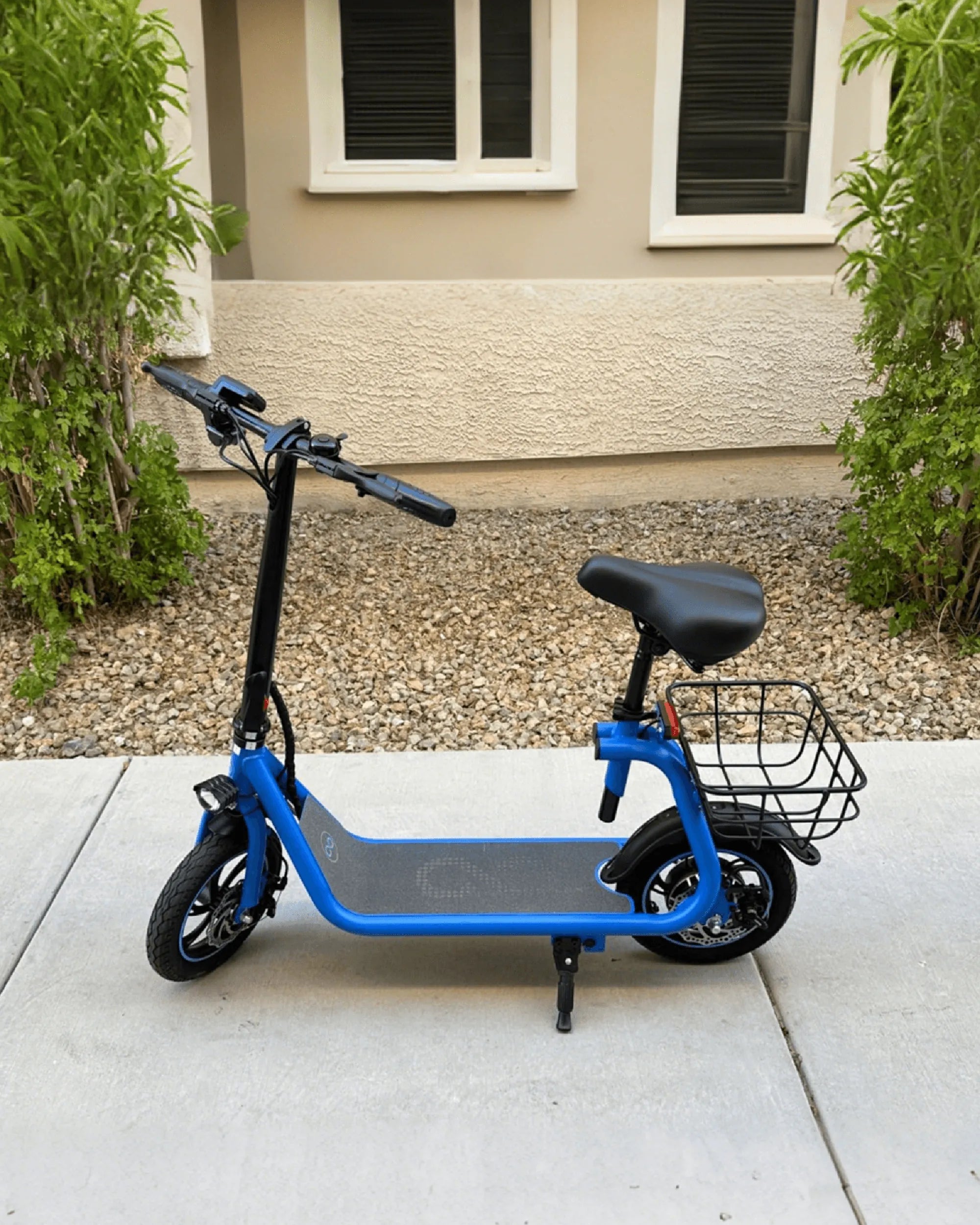
Introduction to Modern E-Bike Design
Ebike design has evolved far beyond simply attaching a motor to a bicycle frame. It is now a holistic engineering discipline that meticulously balances performance, safety, user experience, and aesthetics to create cohesive, reliable vehicles. Every curve, component placement, and material choice is a deliberate decision impacting the ride.
This deep dive into ebike design principles will equip you with the knowledge to discern quality engineering from superficial features. We'll explore how intelligent ebike design integrates the motor, battery, and frame into a unified system. Understanding these elements is key to choosing an e-bike that is not only stylish but also durable, safe, and perfectly suited to your lifestyle.
Brands leading the market, like Gyroor, prioritize this integrated approach. With a focus on UL-certified safety and IP-rated durability, their design philosophy ensures that form consistently follows function. This guide will decode the anatomy of a modern electric bicycle, providing the insights you need to make an informed purchase.
The Core Pillars of E-Bike Design: Form Meets Function
At its heart, exceptional ebike design rests on three interconnected pillars: the frame, the motor, and the battery. These elements define the bike's character, capability, and longevity. A weakness in one area can undermine the strengths of the others, making holistic integration non-negotiable for quality manufacturers.
The frame serves as the foundational chassis, dictating geometry, weight, and rider posture. The motor determines the character of propulsion—its smoothness, torque, and efficiency. The battery is the energy heart, with its design influencing range, weight distribution, and overall aesthetics. When these three are harmoniously engineered, the result is an e-bike that feels intuitive and capable.
Frame Geometry and Material Innovation
Frame design is the first point of interaction between rider and machine. Geometry choices like step-through, diamond, or folding directly dictate accessibility, comfort, and intended use. A step-through frame offers easy mounting for commuters or those with mobility considerations, while a traditional diamond frame provides robust stiffness for off-road adventures.
Material selection is equally critical. Aluminum alloy remains the industry standard for its excellent strength-to-weight ratio and corrosion resistance. Advanced hydroforming techniques allow for complex, aerodynamic tube shapes. While carbon fiber offers supreme lightness and vibration damping for high-performance models, high-tensile steel provides unparalleled durability and a smooth, forgiving ride at a often lower cost, albeit with a weight penalty.
The choice of material directly influences the ride feel, maintenance needs, and price point. A well-designed aluminum frame, like those used in Gyroor's commuter models, strikes a practical balance, offering lightness for portability and strength for daily reliability.
Motor Integration and Placement
The design and placement of the motor are pivotal to the riding experience. The two primary architectures are hub motors and mid-drive motors, each with distinct design implications. Hub motors are integrated into the center of the front or rear wheel. This design is often simpler, keeping the bicycle's central frame clear and offering a discreet appearance.
Front hub motors can affect steering feel, while rear hub motors provide direct drive traction. However, both raise the bike's center of gravity. In contrast, a mid-drive motor is positioned at the bike's crank and bottom bracket. This central, low placement improves weight distribution and handling, making the bike feel more balanced and natural, especially on hills or uneven terrain.
Mid-drive motors also leverage the bike's existing gears, making them more efficient across a wider range of speeds and inclines. The choice between hub and mid-drive is a fundamental ebike design decision that affects performance, cost, and maintenance complexity.
Battery Design and Concealment
Battery design is where safety, range, and aesthetics converge. Modern ebike design prioritizes sleek integration, moving away from bulky external racks to streamlined packs that are part of the frame itself. Downtube integration is now the gold standard, where the battery slides into the main frame tube.
This approach offers multiple advantages. It significantly lowers the center of gravity, enhancing stability. It protects the battery pack from direct impacts and the elements. Furthermore, it results in a cleaner, more bicycle-like aesthetic that is less likely to be targeted for theft. The design of the battery casing, its thermal management systems, and the quality of its cells are paramount for safety and longevity.
Brands committed to safety, such as Gyroor, use UL-certified battery packs as a core design principle. This certification isn't just a sticker; it informs the entire battery housing design, BMS (Battery Management System) integration, and electrical architecture to prevent overcharging, short circuits, and thermal runaway.
Design for Performance and Safety: Beyond the Basics
Once the core powertrain is integrated, performance and safety design elements refine the riding experience. This layer of ebike design focuses on ergonomics, control, and protection, ensuring the bike is not only powerful but also comfortable and secure in real-world conditions.
These features transform the e-bike from a mere vehicle into a trusted companion for daily commutes or weekend explorations. From the angle of the handlebars to the responsiveness of the brakes, every detail contributes to rider confidence and enjoyment.
Ergonomic Design for Comfort
Ergonomics in ebike design ensures the rider maintains a comfortable, efficient posture over extended periods. This involves a careful triangulation of the saddle, handlebars, and pedals. Adjustable stem risers and swept-back handlebars can create a more upright, relaxed position for city riding, reducing strain on the back and wrists.
Saddle design is equally important, with width and padding tailored to riding style. Suspension systems play a critical ergonomic role by absorbing road vibrations and impacts. A basic front fork suspension can dramatically improve comfort on urban streets, while dual suspension (front and rear) is essential for serious off-road terrain.
Even seat post design has evolved, with suspension seat posts and dropper posts (which allow on-the-fly height adjustment) becoming valuable ergonomic features for mixed-terrain riding. A well-designed e-bike feels like an extension of the rider, not a machine to be fought against.
Safety-First Design Features
Proactive safety is a hallmark of mature ebike design. This begins with visibility. Integrated, always-on lighting systems with bright LED headlights and brake-activated taillights are essential for being seen. Reflective sidewall tires or reflective accents on the frame and wheels add another layer of safety in low-light conditions.
Braking system design is non-negotiable. Disc brakes, whether mechanical or hydraulic, offer superior stopping power in all weather conditions compared to rim brakes. Hydraulic disc brakes provide self-adjusting, consistent lever feel with minimal hand effort. Tire design also contributes to safety; wider tires with urban tread patterns offer more stability and puncture resistance, while knobby, aggressive tires provide essential grip on loose trails.
These features aren't optional extras; they are integral components of a responsible ebike design philosophy that protects the rider and others on the path or road.
The Gyroor Design Philosophy: Where Trust is Built-In
Gyroor's approach to ebike design exemplifies how core engineering principles translate into real-world reliability and rider trust. By focusing on certified safety, environmental resilience, and durable construction, they build e-bikes designed for the demands of daily life. This philosophy is evident in every model, from compact commuters to robust all-terrain options.
For over 100,000 riders across North America and Europe, this design-centric approach has resulted in a 4.5/5 average rating, underscoring the value of prioritizing quality components and intelligent integration over flashy, disposable features.
UL-Certified Battery Design: The Safe Power Core
The battery is the most critical safety component in any e-bike. Gyroor's commitment begins with the exclusive use of UL-certified battery packs. This certification represents a rigorous, independent testing process for electrical and fire safety. From a design perspective, it dictates the construction of the battery casing, the quality of the lithium-ion cells, and the sophistication of the Battery Management System (BMS).
The BMS is the brain of the battery, actively monitoring cell voltage, temperature, and current. In Gyroor's design, this system prevents overcharging, over-discharging, and short circuits, and manages cell balancing for consistent performance. This integrated safety-first design ensures each battery is rated for 500+ charge cycles while maintaining stability, giving riders peace of mind that their power source is as reliable as it is powerful.
IPX5 Water-Resistant Engineering: Built for Real-World Use
An e-bike designed only for fair weather is impractical. Gyroor engineers its models to an IPX5 water-resistance rating. This is a specific design achievement, not just a claim. It involves sealing electrical connectors, protecting the display and control units with gaskets, and designing the frame to shed water away from critical components.
IPX5 means the e-bike can withstand water jets from any direction, making it fully capable of handling rain, wet roads, and accidental splashes. This design resilience means commuters don't have to second-guess the forecast and adventurers can push further with confidence. It's a fundamental feature that extends the bike's usability and longevity, ensuring the electronics are protected from moisture-induced corrosion and failure.
Durable Design Backed by a 1-Year Warranty
Gyroor's comprehensive 1-year warranty is a direct reflection of confidence in their design and manufacturing durability. This warranty covers the frame, motor, battery, and electronic components, supported by a US-based customer service team. It is enabled by design choices such as reinforced weld points on the frame, the use of corrosion-resistant materials and finishes, and the integration of quality, name-brand components for drivetrains and brakes.
This warranty is a promise that the ebike design has been stress-tested for reliability. It allows riders to invest with assurance, knowing that the brand stands behind the integrity of its product's design and will provide support if any manufacturing defect arises.
Choosing Your E-Bike: A Design Decision Guide
Selecting the right e-bike is about matching design features to your primary use case. The following guide breaks down key design considerations for different rider profiles, helping you prioritize the elements that matter most for your journeys.
| Rider Profile | Key Design Priorities | Ideal Frame & Features | Gyroor Model Example |
|---|---|---|---|
| Urban Commuter | Portability, Storage, Comfort, Weather Resistance | Lightweight folding or step-through frame. Integrated lights & rack. Sleek downtube battery. Puncture-resistant tires. | Gyroor F1 Pro Folding E-Bike |
| Off-Road Adventurer | Durability, Traction, Suspension, Power | Robust diamond frame. Front or full suspension. Knobby, wide tires. High-torque motor. Elevated battery for clearance. | Gyroor C1 All-Terrain E-Bike |
| Eco-Conscious Rider | Longevity, Efficiency, Sustainable Materials | Durable frame for long lifecycle. Efficient motor/battery for max range. Use of recyclable aluminum. Minimalist, serviceable design. | Gyroor City Commuter Series |
Design for the Urban Commuter
For the city rider, ebike design must solve practical challenges: navigating traffic, storing in apartments, and carrying cargo. A lightweight aluminum folding frame is ideal, transforming the bike into a compact package for elevators, trains, or under-desk storage. Step-through frames offer easy on-and-off in stop-and-go traffic.
Integrated design is key. Built-in front and rear lights eliminate the hassle of separate attachments. A rear rack designed as part of the frame provides secure cargo mounting. A fully concealed, removable battery allows for secure charging at home or the office. Features like Gyroor's IPX5 rating ensure the commute continues rain or shine.
Design for the Off-Road Adventurer
Off-road ebike design prioritizes resilience and control. A strong diamond or hardtail aluminum frame forms a stiff foundation for handling rough trails. Suspension is critical; a front fork with 80-100mm of travel is a minimum, with full suspension designs absorbing bigger impacts.
Motor choice leans towards high-torque mid-drive or robust rear-hub motors to climb steep, technical terrain. Tire design shifts to wide, knobby patterns for maximum grip on dirt, gravel, and mud. The battery, while often integrated, may be positioned slightly higher in the frame to improve ground clearance over rocks and logs. Every component is chosen for its ability to withstand vibration and impact.
Design for the Eco-Conscious Rider
Sustainable ebike design focuses on longevity, efficiency, and material choice. The most eco-friendly e-bike is one that lasts for decades. This starts with a durable, corrosion-resistant frame and reliable components that are easy to service and replace, promoting a repair-over-replace mentality.
Designing for efficiency maximizes the range from each charge, reducing electricity consumption. This involves aerodynamic tube shaping, efficient motor controllers, and regenerative braking systems where applicable. Using materials like aluminum, which is highly recyclable, further reduces the product's lifecycle environmental footprint. The design philosophy itself is minimalist and purposeful, avoiding planned obsolescence.
Frequently Asked Questions on E-Bike Design
Q: How does frame material affect the ride and price?
A: Material is a primary driver of ride quality and cost. Aluminum alloy offers a stiff, responsive, and lightweight ride at a mid-range price, with good corrosion resistance. Carbon fiber provides the lightest weight and best vibration damping but commands a premium price. Steel offers a smooth, comfortable ride due to its natural flex and is very durable, but it's heavier and can be prone to rust if not treated. Aluminum represents the best value and performance balance for most riders.
Q: Is a mid-drive motor always a better design choice than a hub motor?
A: Not always; it depends on use. Mid-drive motors excel in hilly terrain, offer better weight distribution, and are more efficient when using gears, making them ideal for performance, mountain, and touring e-bikes. Hub motors are simpler, often quieter, and more affordable. They are a excellent design choice for flat urban commutes, providing sufficient power with less maintenance and complexity. For casual city riding, a well-designed hub motor is often perfectly adequate.
Q: What does "integrated battery" design mean, and what are the pros/cons?
A: An integrated battery is built into the frame (usually the downtube) rather than mounted on top of it. Pros: Superior aesthetics (sleek, looks like a regular bike), better weight distribution and lower center of gravity (improves handling), and better protection from theft and the elements. Cons: It can be slightly less convenient to remove for charging, may limit battery size/upgrade options, and can be more expensive to replace. For most, the pros of integrated design outweigh the cons.
Q: How important is the IP rating for an e-bike I'll use in the city?
A> Very important. City riding exposes your e-bike to rain, puddles, road spray, and all-season weather. An IP rating (like Gyroor's IPX5) certifies that electrical components are sealed against water ingress. Without it, moisture can corrode connectors, short-circuit electronics, and damage the motor controller, leading to costly repairs and safety hazards. For a reliable, all-weather commuter, a minimum of IPX4 (splash resistance) is recommended, with IPX5 being ideal.
Q: Can a well-designed e-bike be both lightweight and powerful?
A> Yes, absolutely, but it requires careful engineering and material choice. Lightweight frames from aluminum or carbon fiber reduce overall mass. Pairing this with a compact but high-torque motor (like a modern mid-drive) and a energy-dense but relatively light battery pack achieves this balance. The design challenge is managing heat dissipation in a small motor and ensuring the lightweight frame has sufficient stiffness for the power output. Premium e-bikes successfully achieve this synergy, though they come at a higher price point.
Conclusion: The Future is Intelligently Designed
Superior ebike design is the invisible hand that guides every enjoyable, safe, and reliable ride. It is the synergy of thoughtful geometry, seamless component integration, and purpose-built functionality. From the placement of a UL-certified battery to the seal on an IPX5-rated display, these design choices are what separate a trustworthy vehicle from a mere assemblage of parts.
As you consider your next e-bike, look beyond headline specs like wattage and range. Evaluate the holistic design: how the frame accommodates you, how the motor integrates with your pedaling, and how the brand's philosophy prioritizes your long-term safety and satisfaction. This is the standard that forward-thinking brands embody.
Experience the difference that intelligent engineering makes. Explore the full range of meticulously designed e-bikes, where every model from the agile city commuter to the rugged all-terrain adventurer is built with UL-certified batteries, weather-resistant engineering, and backed by a comprehensive 1-year warranty. Find the perfect ride for your journey and join a community of over 100,000 satisfied riders.
Browse the full Gyroor collection at gyroorboard.com
80cc Dirt Bike for Sale Near Me: Your Complete Local Buying Guide
E-Bike Lifespan: How Long Your Electric Bike Will Last & How to Extend It