



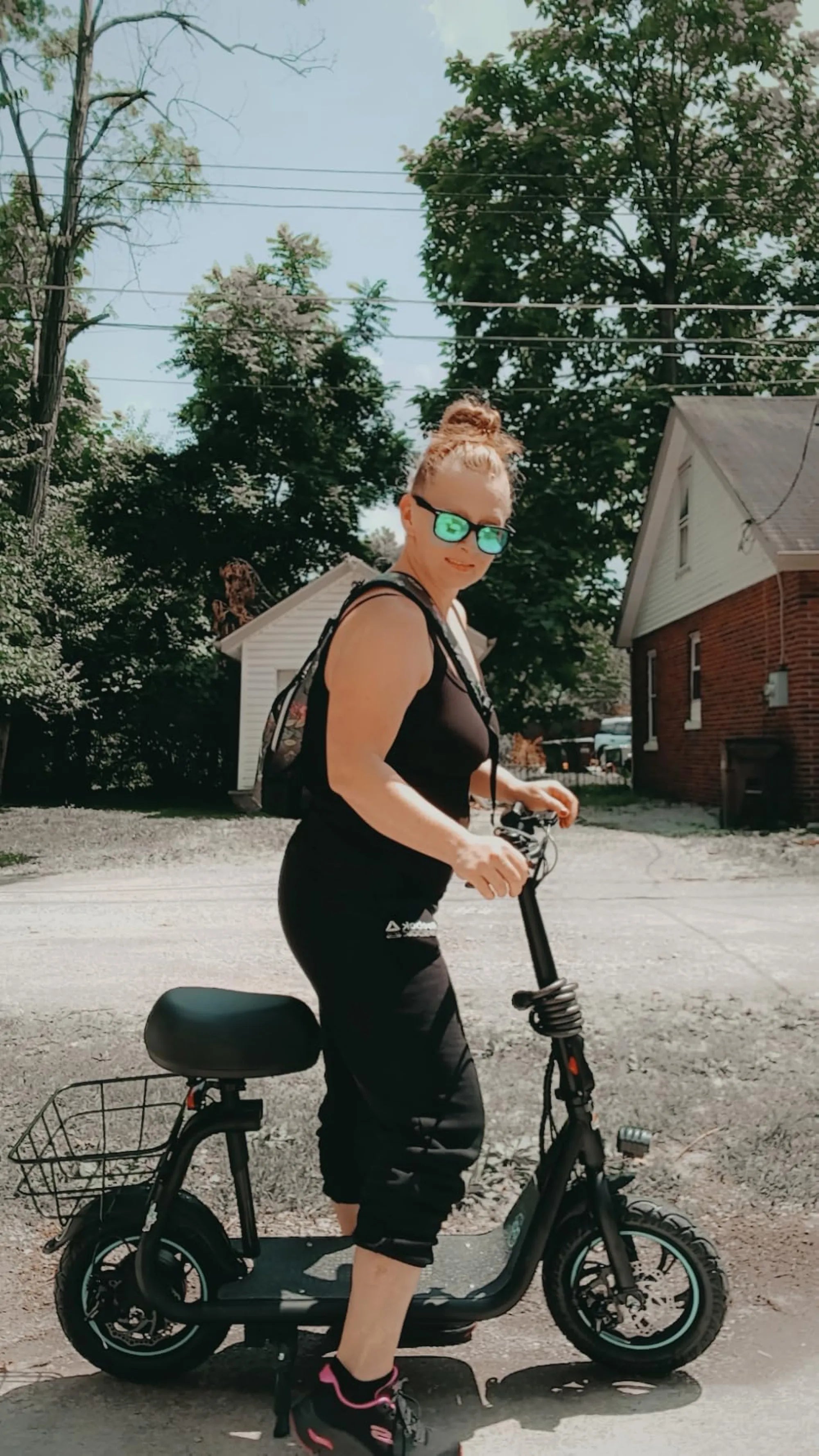
Your e-bike's headlight is your primary defense against the unseen. When rain obscures your path or fog rolls in, a reliable beam isn't just about seeing—it's about being seen. A true ebike electric bicycle waterproof headlight is a non-negotiable safety component, designed to protect its delicate internal electronics from moisture while delivering consistent, high-output illumination. This guide will dissect the engineering behind waterproof lighting, provide a data-driven buyer's framework, and explain how this feature integrates into a holistic, safe riding system. You will learn to interpret key specs, understand installation nuances, and make an informed choice that keeps you confidently visible through downpours and daily commutes.
Understanding the Critical Role of Waterproof Headlights
An e-bike headlight serves a dual purpose: to illuminate the road ahead and to make the rider conspicuous to other road users. In dry conditions, even a basic light can suffice. However, introduce moisture, and the stakes change dramatically. Water ingress is a leading cause of electronic failure in bike lights, leading to sudden blackouts—a dangerous scenario in traffic or on unlit paths.
A waterproof headlight is engineered to prevent this failure. Its sealed housing protects LEDs, circuitry, and connectors from rain, road spray, puddle splashes, and humidity. This reliability ensures the light functions when you need it most, turning a potential hazard into a managed condition. For commuters and all-weather riders, this transforms the e-bike from a fair-vehicle into a dependable, year-round transportation solution.
Beyond immediate function, water resistance preserves the longevity of your investment. Corrosion from moisture can silently degrade connections and battery contacts over time, leading to dimming output or complete failure long before the LED's rated lifespan. A properly sealed ebike electric bicycle waterproof headlight mitigates this, ensuring years of reliable service and maintaining the resale value of your e-bike.
The integration of waterproofing also speaks to a brand's overall commitment to quality and safety. It reflects an understanding that riders face real-world conditions. Brands that prioritize this, such as Gyroor with its IPX5-rated designs, build their vehicles as complete systems where every component, from the UL-certified battery to the sealed headlight, is designed for durability and rider trust.
Key Features of a High-Quality Waterproof E-Bike Headlight
Selecting a headlight involves more than just picking the brightest option. A quality waterproof light is defined by a combination of ingress protection, optical performance, power management, and physical durability. These features work in concert to deliver safe, reliable illumination.
First, the waterproof rating is paramount, typically defined by an IP (Ingress Protection) code. Second, illumination metrics—lumens, beam pattern, and color temperature—determine how well you see. Third, the power source and runtime dictate practicality, whether it's integrated with the main battery or separately charged. Finally, the mounting system and build materials ensure the light stays securely in place and survives vibrations and minor impacts.
IP Rating Decoded: What IPX5 and Beyond Really Mean
The IP code is an international standard (IEC 60529) that classifies the degree of protection provided by an enclosure. It is usually written as "IP" followed by two digits (e.g., IP65). The first digit (0-6) indicates protection against solid particles like dust. The second digit (0-9K) indicates protection against liquids. An "X" means the enclosure is not rated for that type of ingress.
For e-bike headlights, the liquid protection digit is most critical. An ebike electric bicycle waterproof headlight with a rating of IPX5, common in reputable brands, is protected against water jets from any direction. This is more than sufficient for heavy rain and road spray. Higher ratings offer greater protection:
- IPX6: Protected against powerful water jets (heavy seas or strong jets). Useful for extreme conditions.
- IP67: Dust-tight (6) and protected against immersion in up to 1 meter of water for 30 minutes (7). Ideal for riders who may need to fully submerge the front wheel.
- IP68: Dust-tight and protected against continuous immersion under conditions specified by the manufacturer.
For the vast majority of urban and trail riders, an IPX5 rating provides excellent, practical waterproofing. It ensures the light can handle sustained rainfall and puddle splashes without failure, making it a reliable standard for daily use.
Lumens, Beam Patterns, and Runtime: Illumination Metrics
Brightness is measured in lumens. However, more lumens are not always better; effective illumination depends on beam pattern and focus. A light with 800 lumens in a focused spot beam can illuminate a distant trail better than a 1200-lumen light with a wide, diffuse flood pattern.
- Lumens (Output): For city riding, 400-800 lumens is typically adequate. For unlit trails or rural roads, 800-1500+ lumens may be necessary. Look for honest, ANSI FL1 Standard-rated lumen outputs.
- Beam Pattern: A combination beam with a focused central hotspot (for distance) and a wide corona (for peripheral vision) is most versatile. Some lights offer adjustable optics or multiple modes to switch between spot and flood.
- Runtime: This is intrinsically linked to the power source. Integrated lights powered by the e-bike's main battery typically have "unlimited" runtime while the bike is on. Self-contained lights list runtime per brightness mode (e.g., 2 hours at high, 10 hours at low).
Efficient LED technology means a modern headlight draws minimal power. A typical 10W (approx. 800-1000 lumen) LED light has a negligible impact on an e-bike's overall range, often reducing it by less than 2-5% per hour of use, a worthwhile trade-off for critical visibility.
Mounting Systems and Build Quality
A light must stay securely aimed despite vibrations from rough pavement. A poor mount can cause the beam to droop or shake, reducing effectiveness. High-quality mounts use robust, rubber-damped clamps or bolt-on brackets that attach firmly to the handlebar or fork crown.
The housing material is equally important. Aluminum alloy is the gold standard, offering excellent heat dissipation for the LED while being lightweight and corrosion-resistant. It also provides impact resistance. The lens should be made of hardened, optical-grade polycarbonate or glass that is scratch-resistant and maintains clarity.
Finally, cable management and connector design are part of waterproofing. Integrated systems should have sealed, proprietary connectors. Aftermarket installations require careful routing and the use of dielectric grease on connectors to prevent corrosion and water ingress at connection points, completing the waterproof seal beyond just the light housing itself.
How Gyroor Integrates Waterproof Lighting for All-Weather Confidence
Gyroor's approach to the ebike electric bicycle waterproof headlight is systemic, not additive. Lighting is not an afterthought but a core component of the vehicle's safety and reliability ecosystem. This philosophy is evident in their design integration, component standards, and customer support structure.
By building the headlight as an integral part of the e-bike, Gyroor ensures compatibility, reliability, and a clean, aerodynamic aesthetic. This integration reflects the brand's commitment to creating products that are ready for real-world use by over 100,000 riders across diverse climates in North America and Europe, where weather can change rapidly.
Seamless Integration with Gyroor E-Bike Systems
Gyroor's integrated headlights are typically powered directly from the vehicle's main UL-certified battery pack. This eliminates the hassle of separate charging and guarantees consistent output voltage, preventing the dimming that can occur in battery-powered lights as their charge depletes. The electrical draw is managed by the bike's controller, ensuring it never interferes with the motor's operation.
The physical integration is just as considered. Lights are housed in designs that complement the bike's frame, often with internal wire routing that protects cables from snags and the elements. The IPX5 water-resistant rating applied to the overall design extends to these connections, creating a cohesive barrier against moisture. This holistic design means the ebike electric bicycle waterproof headlight is a guaranteed, tested part of the vehicle's performance profile from the factory.
The Warranty and Support Advantage
This integrated approach is backed by Gyroor's comprehensive 1-year warranty and accessible customer support. When the headlight is part of the original system, it is covered under the same warranty as the motor and battery. This provides significant peace of mind; a failure is not a complex DIY repair but a supported claim.
For riders, this means the critical safety component of lighting is not a point of potential vulnerability. The brand's trust in its IPX5-rated sealing and UL-certified electrical systems translates directly into rider confidence. You are investing in a complete, reliable package where every feature, including the waterproof headlight, is designed and supported to work together seamlessly for the long term.
Comparative Insight: Integrated vs. Standalone Waterproof Headlights
Riders often debate whether to rely on a bike's integrated light or install a premium aftermarket unit. The best choice depends on your priorities: convenience and warranty versus maximum, customizable performance. The following table provides a data-driven comparison to clarify the trade-offs.
| Feature | Integrated System (e.g., Gyroor) | Premium Aftermarket Light |
|---|---|---|
| Cost | Included in bike price; no additional upfront cost. | High: $50 - $300+ for the light unit alone. |
| Waterproof Rating | Typically IPX5 (water jet protection), consistent with bike's design. | Wide range: IPX5 to IP68. You choose the level. |
| Brightness (Lumens) | Moderate to High (e.g., 600-1000 lumens). Sufficient for most uses. | Very High (1000-3000+ lumens). Can be optimized for specific use. |
| Power Source | Main e-bike battery (UL-certified). Unlimited runtime. | Separate rechargeable battery or bike battery via adapter. Runtime varies. |
| Installation | Plug-and-play from factory. Zero effort. | Can be complex. May require wiring, adapters, and secure mounting. |
| Warranty & Support | Covered under full 1-year bike warranty. Single point of contact. | Manufacturer's warranty on light only (often 1-2 years). May void parts of bike's electrical warranty. |
For most commuters and casual riders, the integrated system offers the best balance of reliability, convenience, and cost-effectiveness. It's a guaranteed, supported solution. Enthusiasts, night trail riders, or those with specific high-output needs may benefit from the customization of an aftermarket ebike electric bicycle waterproof headlight, accepting the added cost and installation complexity for superior performance.
Installation and Maintenance Tips for Your Waterproof Headlight
Proper installation and simple maintenance are key to ensuring your headlight performs as intended throughout its lifespan. These steps protect your investment and maintain optimal safety.
For Integrated Systems: Installation is typically complete from the factory. Your primary task is inspection. Periodically check that the light housing is firmly seated with no cracks. Ensure the lens is clean for maximum light transmission. Verify that electrical connections near the headlight (if accessible) are secure and show no signs of corrosion or green oxidation, which can indicate water ingress.
For Aftermarket Installations: Start by selecting a mounting location on the handlebar or fork that provides a clear field of view without interfering with cables or controls. Use the supplied rubber shims to ensure a tight, vibration-dampened fit. Route wires along existing cable lines, using zip ties loosely to avoid pinching. For wired lights, use waterproof heat-shrink connectors or apply dielectric grease to all bullet or spade connectors before joining them to prevent corrosion.
General Waterproofing Maintenance: Every few months, especially after wet-weather riding, inspect the seal around the lens and housing. For lights with a removable lens or battery cover, check that the rubber O-ring or gasket is clean, pliable, and seated correctly in its groove. Wipe away mud and grit that could compromise the seal. Clean the lens with a soft cloth and mild glass cleaner to remove dirt and bugs that can scatter light.
If you notice condensation inside the lens, the seal has been compromised. For integrated lights under warranty, contact support. For aftermarket lights, refer to the manufacturer's instructions; some allow the unit to be opened, dried, and resealed. Addressing moisture immediately prevents long-term damage to the LED driver and circuitry.
Frequently Asked Questions (FAQ)
Q1: Is an IPX5 rating enough for heavy rain and commuting?
Yes, an IPX5 rating is specifically designed to protect against water jets from any direction, which exceeds the force of even heavy rainfall and road spray. It is an excellent, practical standard for daily commuting and recreational riding. For riders who regularly ford deep puddles or streams, a higher rating like IP67 would provide an added margin of safety against temporary immersion.
Q2: Can I upgrade or replace the headlight on my current e-bike?
Yes, but compatibility is key. First, determine your e-bike's electrical system voltage (common are 12V, 24V, 36V, 48V). You must select a light rated for that voltage. Second, assess the connection type. Some bikes have proprietary connectors, requiring an adapter. Installing an aftermarket light that taps into the main battery may void the warranty on the electrical system, so check your manufacturer's terms first.
Q3: How does using the headlight impact my e-bike's battery range?
The impact is minimal. A modern LED headlight drawing 10-15 watts (W) is extremely efficient. Compare this to a motor, which can draw 250-750W. Using a 10W headlight for one hour consumes only 10 watt-hours (Wh) of energy. If your e-bike has a 500Wh battery, the headlight reduces your total range by approximately 2% per hour of use—a negligible cost for essential visibility and safety.
Q4: Are brighter headlights always better and safer?
Not necessarily. Excessive brightness with a poorly focused beam can create dangerous glare for oncoming cyclists, pedestrians, and drivers, actually reducing safety. It can also ruin your own night vision by over-lighting the foreground. Safety comes from a appropriate brightness (400-1000 lumens for streets) paired with a well-designed beam pattern that lights your path without blinding others. Look for lights with a sharp cut-off in the beam pattern, similar to car headlights.
Q5: What should I do if my waterproof headlight gets submerged?
If it has a rating of IP67 or IP68 and was submerged within its specified limits (e.g., 1m for 30 mins for IP67), it should be fine. For lights with a lower rating like IPX5, submersion is outside its design scope. Immediately turn off the power (if possible), dry the exterior thoroughly, and allow it to air dry in a warm, dry place for several days before attempting to use it. Do not use heat sources like a hairdryer, as this can damage seals. If functionality is impaired, contact the manufacturer.
Lighting the Way to Safer, All-Weather Adventures
A reliable ebike electric bicycle waterproof headlight is far more than an accessory; it is a fundamental pillar of safe riding. It transforms weather from a limiting factor into a manageable condition, extending your riding season and boosting confidence after dark. By understanding IP ratings, illumination metrics, and the benefits of integrated systems, you empower yourself to choose a solution that offers durability, performance, and peace of mind.
The data shows that integrated lighting systems from trusted brands provide a compelling balance of convenience, reliability, and comprehensive warranty support. They ensure that your visibility—a critical safety function—is never compromised by a dead battery or a failed seal. This holistic approach to design, where the headlight is part of a sealed, UL-certified electrical system, exemplifies the modern standard for dependable personal electric vehicles.
Your journey shouldn't end when the sun sets or the clouds open. Equip yourself with knowledge and choose an e-bike built for the real world, where every component, especially the one that lights your way, is engineered for all-weather resilience. Explore e-bikes designed with this integrated, safety-first philosophy. Browse the full Gyroor collection, featuring IPX5 water-resistant designs and UL-certified systems, at gyroorboard.com.
ebike pricing Demystified: A Complete Guide to Value, Cost & Investment
50cc Dirt Bike Price: The Complete 2024 Cost Breakdown