



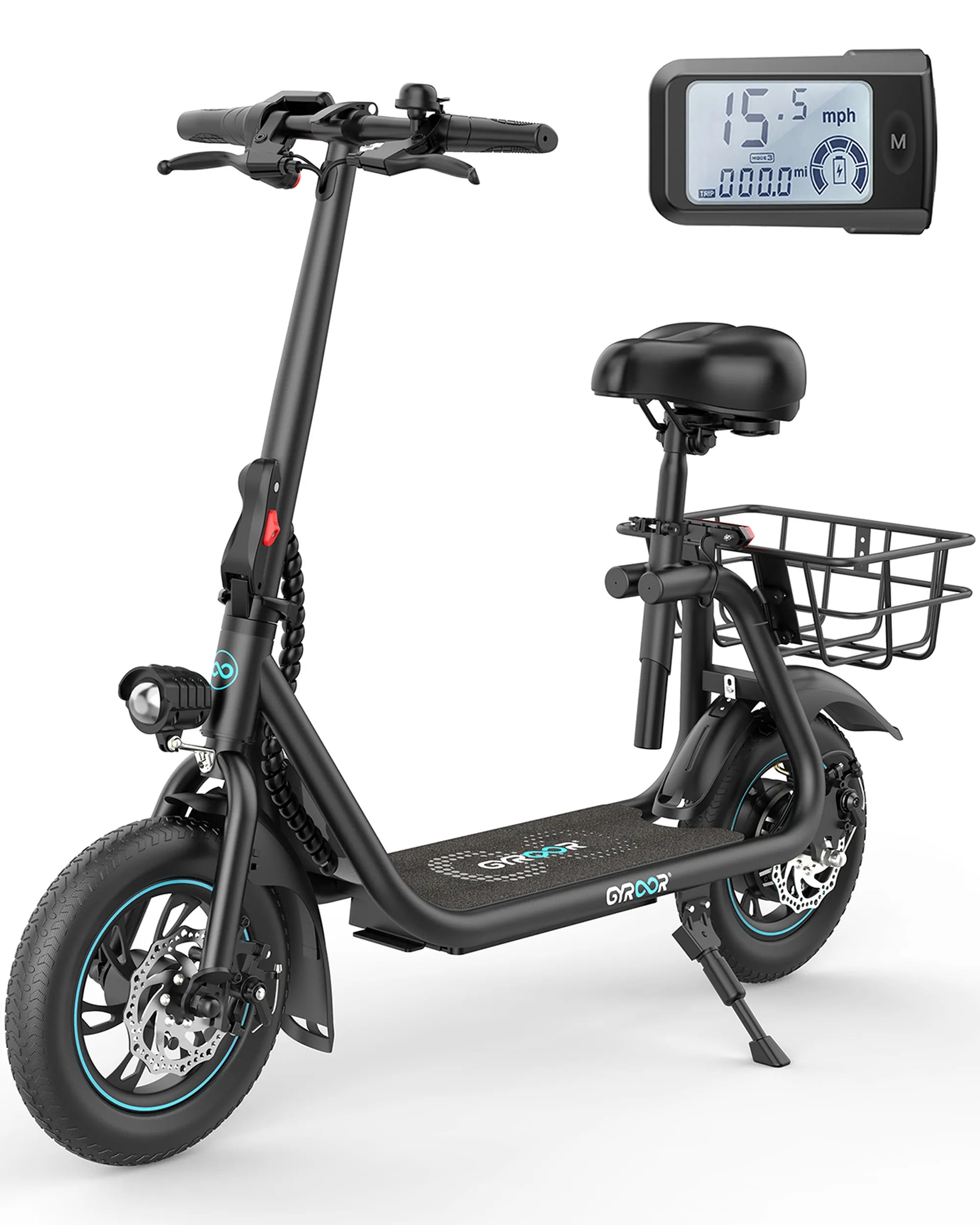
Finding an ebike with long range capability transforms your relationship with distance. It’s the difference between planning your route around a charging point and simply deciding where you want to go. For commuters, it means a week of travel on a single charge. For adventurers, it unlocks full-day explorations far beyond city limits. This guide cuts through the marketing claims to show you how true long-range electric bikes are engineered, what features matter most for real-world riding, and how to choose a model that delivers reliable, extended mileage backed by robust technology and safety standards.
What Defines a "Long-Range" Electric Bike?
The term "long range" is often used loosely, but for practical purposes, an ebike with long range should reliably deliver 50 miles or more on a single charge under realistic conditions. This benchmark separates true distance-capable models from standard commuter e-bikes, which often max out around 20-40 miles. Achieving this isn't just about a bigger battery; it's a systems engineering challenge involving efficiency, weight, and rider behavior.
Manufacturer range claims are typically derived from ideal laboratory tests: a lightweight rider on flat terrain using the lowest pedal-assist setting. Real-world range can be 30-50% less due to hills, wind, rider weight, cargo, tire pressure, and use of higher assist levels. Therefore, a model advertised for 80 miles might deliver 50-60 miles for an average rider—still qualifying as a long-range machine. Understanding this discrepancy is key to setting realistic expectations.
The primary metric for potential range is battery capacity, measured in Watt-hours (Wh). This figure, the product of voltage (V) and amp-hour (Ah) rating, represents the total energy stored. As a rule of thumb, you can expect 15-35 miles per 100Wh of capacity, with the variance depending on the factors mentioned. For a true ebike with long range, look for a battery capacity of 700Wh or higher. This provides the energy reservoir needed for extended trips.
Beyond capacity, battery quality is paramount. High-density, automotive-grade lithium-ion cells from reputable manufacturers ensure consistency and longevity. Brands like Gyroor prioritize UL-certified battery packs, which undergo rigorous testing for safety, performance, and cycle life—often rated for 500+ full charge cycles while retaining over 80% of original capacity. This certification is a critical indicator of a reliable, long-lasting power source for your ebike with long range ambitions.
The Core Components of Extended Range
Building an ebike with long range requires a harmonious integration of three core hardware systems: the battery, the motor, and the bicycle platform itself. Neglecting any one of these pillars will compromise overall efficiency and distance. It's the synergy between these components that allows for journeys exceeding 50 miles without performance anxiety.
Battery Technology and Management
The battery is the fuel tank. Modern long-range e-bikes utilize lithium-ion cells arranged in sophisticated packs with integrated Battery Management Systems (BMS). The BMS is the brain, protecting the battery from overcharge, deep discharge, overheating, and short circuits. It ensures balanced charging across all cells, which is crucial for maximizing both the immediate range and the long-term lifespan of the pack. A quality BMS, like those found in Gyroor's UL-certified packs, is non-negotiable for safety and durability.
Cell chemistry also plays a role. Many high-performance packs use lithium-ion cells with nickel-manganese-cobalt (NMC) or similar chemistries, offering an excellent balance of energy density, power output, and cycle life. The physical integration of the battery into the frame—whether downtube-integrated or externally mounted—affects weight distribution and aerodynamics, subtly influencing overall efficiency on long hauls.
Motor Efficiency and Drivetrain Synergy
The motor converts electrical energy into motion, and its efficiency dictates how much of your battery's precious Wh are used for propulsion versus lost as heat. For long-range touring and commuting, efficient geared hub motors or sophisticated mid-drive motors are common. Mid-drive motors, which leverage the bike's gears, excel in hilly terrain by allowing the motor to operate in its optimal RPM range, potentially conserving energy on climbs compared to a hub motor working directly against the gradient.
Motor power rating (e.g., 500W, 750W) is less about range and more about torque and hill-climbing ability. A more powerful motor used judiciously can be efficient, but constant use at maximum output will deplete the battery rapidly. The most efficient setup pairs a responsive motor with a wide-range bicycle drivetrain (like a 7-10 speed cassette), enabling the rider to find a comfortable, efficient cadence at various speeds and assist levels.
Bicycle Design and Rolling Resistance
The bicycle itself is the foundation. A lightweight aluminum or carbon frame reduces the overall mass the motor must propel. Thoughtful geometry that promotes an efficient, comfortable riding posture reduces rider fatigue and aerodynamic drag over long distances. Components like tires have a massive impact; slick or lightly treaded tires at the correct pressure (often 40-60 PSI) offer significantly lower rolling resistance than knobby, under-inflated tires.
Additional features like a suspension system can add comfort but also weight and energy-sapping bob if not properly tuned. For primarily paved long-range use, a rigid or front-suspension fork paired with a suspension seatpost often provides the best balance of comfort and efficiency. Every component choice, from handlebar shape to wheel weight, contributes incrementally to the total system efficiency of an ebike with long range.
Beyond the Battery: Key Features for Real-World Long-Distance Riding
While the battery and motor provide the means for distance, several other features determine whether a long ride is a pleasure or an ordeal. An ebike with long range must be built for the unpredictability of extended journeys, where weather changes, road conditions vary, and rider comfort becomes critical after the first hour in the saddle.
Weather resistance is paramount. A long-range e-bike is an investment, and it must withstand rain, dust, and road spray. Look for an IP rating for water and dust resistance on electrical components. Gyroor designs its e-bikes with IPX5 water-resistant ratings, meaning they can withstand low-pressure water jets from any direction—a key feature for all-weather commuting or unexpected showers during a long ride. This protection extends the life of connectors, displays, and the motor itself.
The pedal-assist system (PAS) interface is your range management tool. A high-quality color LCD display provides clear data on speed, battery level (preferably as a percentage, not just bars), assist level, and estimated range. Multiple, finely-tuned assist levels (e.g., 5 levels) allow you to dial in just the right amount of power for the terrain, conserving battery on flats and reserving maximum assist for steep climbs. Some advanced systems even offer a "walk mode" for pushing the bike up unrideable terrain, which is valuable on long mixed-surface adventures.
Ergonomics cannot be overlooked. A supportive, adjustable saddle, ergonomic grips, and a handlebar position that doesn't strain your back, neck, or wrists are essential for multi-hour rides. For mixed-terrain or imperfect pavement, front suspension or a suspension seatpost absorbs vibrations that would otherwise fatigue the rider. Integrated lighting—powered by the main battery—is a critical safety feature for long days that might end after dusk, ensuring you're visible without relying on separate, chargeable lights.
Data-Driven Comparison: How Top Long-Range E-Bike Models Stack Up
To illustrate the practical application of these principles, let's compare specifications for different types of long-range e-bikes. The following table highlights how design priorities shift between a commuter, an all-terrain explorer, and a compact folding model, all built around the goal of extended range.
| Model Type | Battery Capacity | Estimated Real-World Range | Motor Type & Power | Key Range & Comfort Features | Ideal Use Case |
|---|---|---|---|---|---|
| Commuter / Urban | 720Wh UL-Certified | 50-70 miles | 500W Geared Hub Motor | Lightweight aluminum frame, slick tires, integrated lights & fenders, multiple PAS levels, IPX5 rating. | Long-distance city commuting, running errands, weekend paved trail rides. |
| All-Terrain / Fat Tire | 840Wh UL-Certified | 45-65 miles | 750W Geared Hub Motor | 4" fat tires for sand/snow, front suspension, robust frame, high-torque motor for hills, ergonomic saddle. | Beach rides, forest trails, snowy paths, rugged exploration with cargo capacity. |
| Folding / Compact | 624Wh UL-Certified | 40-55 miles | 500W Geared Hub Motor | Quick-fold aluminum frame, 20" tires, compact design for storage/transport, efficient gear ratio. | Multi-modal commuting (train/bus), apartment living, RV/car trunk travel, space-constrained storage. |
This comparison shows that while absolute battery capacity is a major driver, the realized range is tailored by the bike's purpose. The fat-tire model may have the largest battery but shows a slightly lower estimated range due to the higher rolling resistance of its wide tires. Conversely, the sleek commuter maximizes every Watt-hour for distance on pavement. Each represents a specialized approach to achieving an ebike with long range capability.
Maximizing Your E-Bike's Range: Practical Tips from Expert Riders
Owning an ebike with long range is just the start. How you ride and maintain it dramatically impacts the miles you get from each charge. These data-backed strategies can help you consistently achieve—or even exceed—the estimated range of your e-bike.
First, manage your assist level strategically. Using the lowest effective assist level (PAS 1 or 2) on flat terrain and only engaging higher levels for hills or acceleration can double your range compared to riding constantly on maximum assist. Think of the motor as a supplement to your pedaling, not a replacement. Maintaining a steady, moderate pace is far more efficient than frequent stops and starts, which require high bursts of energy from the battery.
Tire pressure is one of the easiest and most effective adjustments. Check pressure weekly with a reliable gauge. Inflate tires to the maximum recommended pressure printed on the sidewall for paved riding to minimize rolling resistance. For a typical commuter tire, this could mean 50-65 PSI. Properly inflated tires can improve efficiency by 5-15%. Also, ensure your brakes are not dragging and that your chain is clean and lubricated to reduce mechanical friction.
Weight matters. The motor must work harder to accelerate and climb with extra mass. While you can't change your weight, you can be mindful of cargo. Use panniers instead of a backpack to improve aerodynamics and balance. Plan your route using apps to favor flatter terrain or consistent grades over steep, battery-draining hills. Finally, battery care is crucial: avoid consistently draining to 0% or charging to 100% for daily use. For storage, keep the battery at a 40-80% charge in a cool, dry place to preserve its long-term health and capacity.
The Role of Brand and Warranty in Long-Term Reliability
Investing in an ebike with long range is a commitment, and the brand behind it dictates the long-term ownership experience. A reputable brand provides more than just a product; it offers engineering integrity, safety certifications, customer support, and a meaningful warranty that protects your investment. With over 100,000 riders across North America and Europe, brands like Gyroor have built trust through consistent performance and post-purchase support.
A comprehensive warranty is your safety net. For a long-range e-bike, pay close attention to the warranty coverage for the battery and the motor—the two most expensive and critical components. A strong warranty, such as the 1-year comprehensive coverage offered by Gyroor, signals confidence in the product's durability. It should cover defects in materials and workmanship for the frame, motor, battery, and electronic components, giving you peace of mind for your extended adventures.
Customer support accessibility is equally important. When you're relying on your e-bike for long commutes or tours, having access to timely technical support, available replacement parts, and clear repair manuals is essential. A brand with a established presence and positive community feedback, reflected in a 4.5/5 average rating from thousands of customers, indicates a track record of resolving issues and supporting riders throughout the lifecycle of their e-bike.
Finally, brand ethos matters. Companies that prioritize safety certifications (like UL for batteries), use quality name-brand components, and engage transparently about their products' capabilities and limitations are more likely to deliver an ebike with long range that performs as promised. This contrasts with generic brands that may exaggerate specs and offer little to no after-sales support, leaving the rider to deal with any problems alone.
FAQ: Your Long-Range E-Bike Questions Answered
Q: How is e-bike range calculated, and why does my real-world range differ from the claim?
A: Manufacturers typically test range under ideal conditions (ISO 4210 standard): 165 lb rider, 68°F, on a flat track, at a constant 12-15 mph on the lowest assist setting. Real-world variables—hills, headwinds, rider/cargo weight, lower temperatures, higher assist levels, and stop-and-go traffic—all increase energy consumption, reducing range. A claim of 80 miles might translate to 50-60 miles for a typical rider, which is still excellent for an ebike with long range.
Q: Can I carry a spare battery to extend my range even further?
A> Many modern long-range e-bikes, including some Gyroor models, are designed with removable batteries. Yes, carrying a fully charged spare battery effectively doubles your potential range on a single outing. This is a popular solution for tourers or those with very long commutes. Ensure the spare is compatible, properly secured during transport, and stored in a protective case.
Q: How does cold weather affect my e-bike's battery range?
A> Cold temperatures (below 50°F/10°C) reduce the chemical activity within lithium-ion cells, temporarily decreasing their capacity and ability to deliver peak power. You may experience a 20-30% reduction in range in freezing conditions. To mitigate this, store the battery indoors at room temperature until just before your ride, and keep the bike in a warmer environment (like a garage) when not in use. The range will return to normal in warmer temperatures.
Q: What maintenance is specific to a long-range e-bike to preserve its battery life?
A> Beyond general bike maintenance, battery care is key. Avoid leaving the battery fully drained or at 100% charge for extended periods. For daily use, try to keep it between 20% and 80%. Store it in a cool, dry place away from direct sunlight. Use only the manufacturer-provided charger. Clean the battery contacts periodically with a dry cloth. Following these practices helps achieve the 500+ charge cycles many UL-certified batteries are rated for.
Q: Does a more powerful motor (e.g., 750W vs. 500W) mean shorter range?
A> Not necessarily. Motor power is a measure of potential output, not constant consumption. A 750W motor climbing a hill at half-throttle may use less energy than a 500W motor straining at full power. The key is rider management. A more powerful motor offers headroom for hills and cargo, but if you constantly use maximum power, it will drain the battery faster. Efficiency depends more on motor design, system integration, and how you use the assist levels.
Conclusion: Embracing Distance with Confidence and Reliability
The pursuit of an ebike with long range is ultimately a pursuit of freedom—the freedom to commute without daily charging, to explore backcountry roads without anxiety, and to experience the pure joy of riding farther than you thought possible. This freedom is built on a foundation of robust engineering: high-capacity UL-certified batteries, efficient motors, durable IPX5-rated construction, and thoughtful ergonomics. By understanding the technology and adopting smart riding habits, you can consistently unlock the full potential of your electric bike.
Choosing the right model means aligning its capabilities with your personal needs, whether that's urban efficiency, all-terrain capability, or compact convenience. It also means partnering with a brand that stands behind its products with solid warranties and accessible support, ensuring your investment is protected for the long haul. The open road, the city street, or the forest trail awaits, now within your reach on a single charge.
Ready to explore the possibilities? Discover a range of powerful, reliable, and meticulously engineered electric bikes designed to take you further. Browse the full Gyroor collection at gyroorboard.com and find the perfect ebike with long range to match your adventure.
How to Make Dirt Bike Faster: A Complete Performance Upgrade Guide
Ebike 500w 36V Folding: Your Ultimate Guide to Urban Mobility