

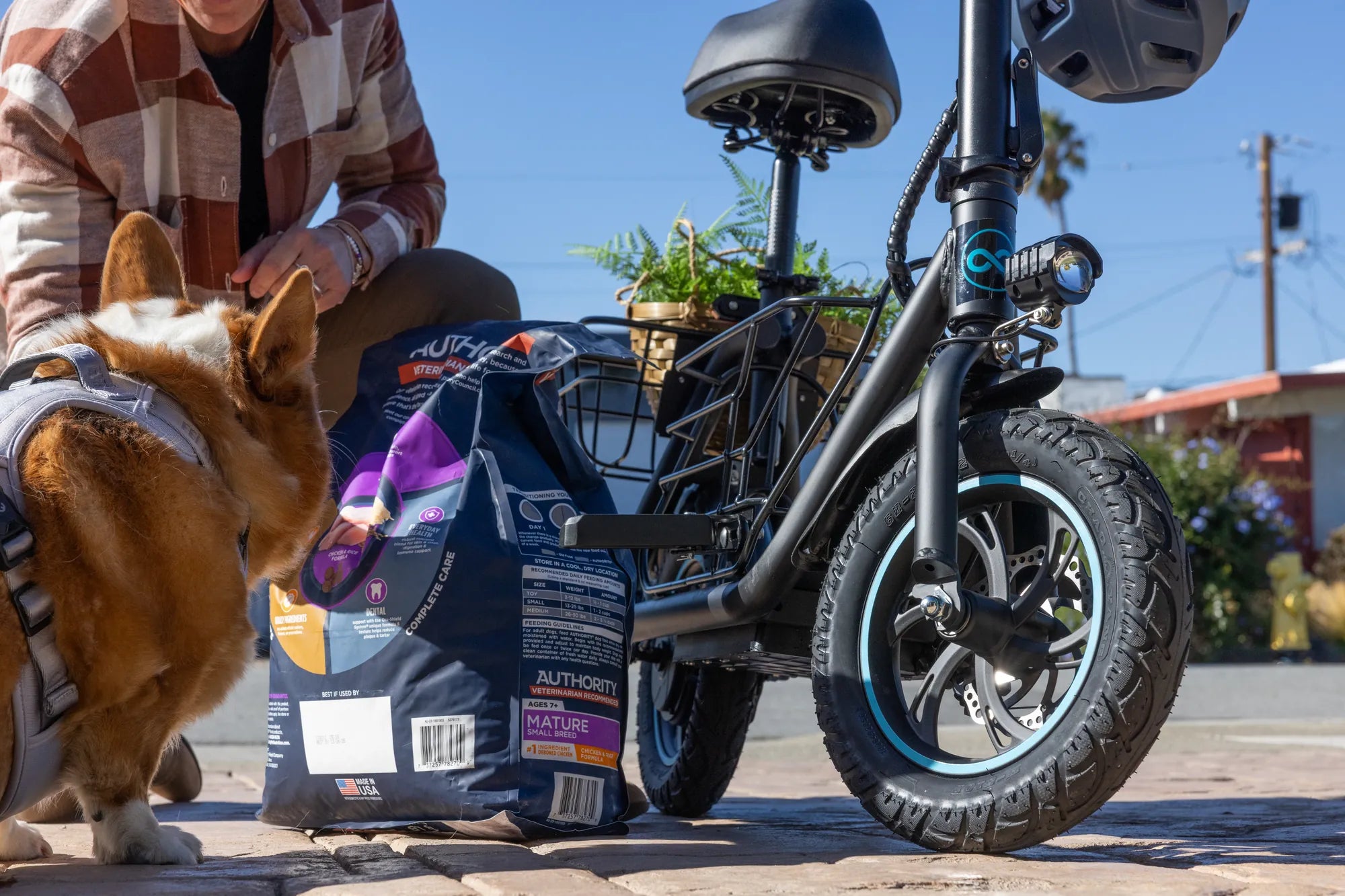
Imagine cruising down a scenic trail or weaving through city streets with all your essentials securely fastened behind you. An electric bike back rack isn’t just an accessory—it’s a game-changer for riders who need extra storage without sacrificing convenience. Whether you’re hauling groceries, work gear, or adventure supplies, the right back rack can make your e-bike even more versatile. Ready to learn how to choose, install, and maximize this must-have upgrade? Let’s dive in.
Why You Need an Electric Bike Back Rack
An electric bike back rack is more than just a place to strap on a bag. It’s a practical solution for carrying heavy loads, reducing strain on your body, and keeping your belongings organized. Unlike traditional bikes, e-bikes often have heavier frames and motors, so a sturdy rack is essential to balance the weight and maintain stability. Plus, with the growing popularity of e-bikes for commuting and touring, a back rack can turn your ride into a true multitasking machine.
Types of Electric Bike Back Racks
Not all back racks are created equal. Here are the most common types to consider:
Standard Rear Racks
These are the most versatile option, designed to hold panniers, baskets, or bungee-corded loads. They typically attach to the bike’s frame near the seat post and rear axle, offering a balanced weight distribution.
Lightweight Aluminum Racks
Ideal for riders who prioritize speed and agility, these racks are corrosion-resistant and easy to install. However, they may have lower weight limits compared to steel alternatives.
Heavy-Duty Steel Racks
Built for durability, these racks can handle heavier loads, making them perfect for grocery runs or long-distance touring. The trade-off? They add a bit more weight to your bike.
Integrated Battery Racks
Some e-bikes come with racks that double as battery mounts. These are sleek and space-saving but may limit your cargo options.
How to Choose the Right Electric Bike Back Rack
Picking the perfect rack depends on your riding style and needs. Here’s what to consider:
Weight Capacity
Check the manufacturer’s specifications to ensure the rack can handle your typical load. Overloading can damage both the rack and your bike.
Compatibility
Not all racks fit all e-bikes. Measure your bike’s frame and check mounting points before buying. Some e-bikes require adapters for certain racks.
Material
Aluminum is great for lightweight needs, while steel excels for heavy-duty use. Consider weather resistance if you ride in wet conditions.
Ease of Installation
Look for racks with clear instructions and tool-free adjustments if you’re not mechanically inclined.
Installing Your Electric Bike Back Rack
Once you’ve chosen the right rack, follow these steps for a secure installation:
- Gather Tools: Most racks require basic tools like hex wrenches and screwdrivers.
- Position the Rack: Align it with the mounting points on your bike’s frame.
- Secure the Brackets: Tighten all bolts evenly to avoid misalignment.
- Test for Stability: Give the rack a gentle shake to ensure it’s firmly attached.
Maintenance Tips for Longevity
To keep your electric bike back rack in top shape:
- Regularly inspect bolts and connections for looseness.
- Clean the rack with a damp cloth to prevent dirt buildup.
- Avoid exceeding the weight limit to prevent stress fractures.
- Store your bike indoors or use a cover to protect the rack from rust.
Creative Uses for Your Electric Bike Back Rack
Beyond groceries and work gear, your rack can unlock new possibilities:
- Attach a pet carrier for furry companions.
- Mount a cooler for picnic-ready rides.
- Use it as a base for DIY projects, like a mini solar panel setup.
Your electric bike back rack isn’t just a add-on—it’s the key to unlocking your bike’s full potential. From daily errands to epic adventures, the right rack keeps you prepared and your ride balanced. So, what will you carry next?
7 Amp Battery for Bike: The Ultimate Guide to Powering Your Ride
7 Amp Battery for Bike: The Ultimate Guide to Powering Your Ride