

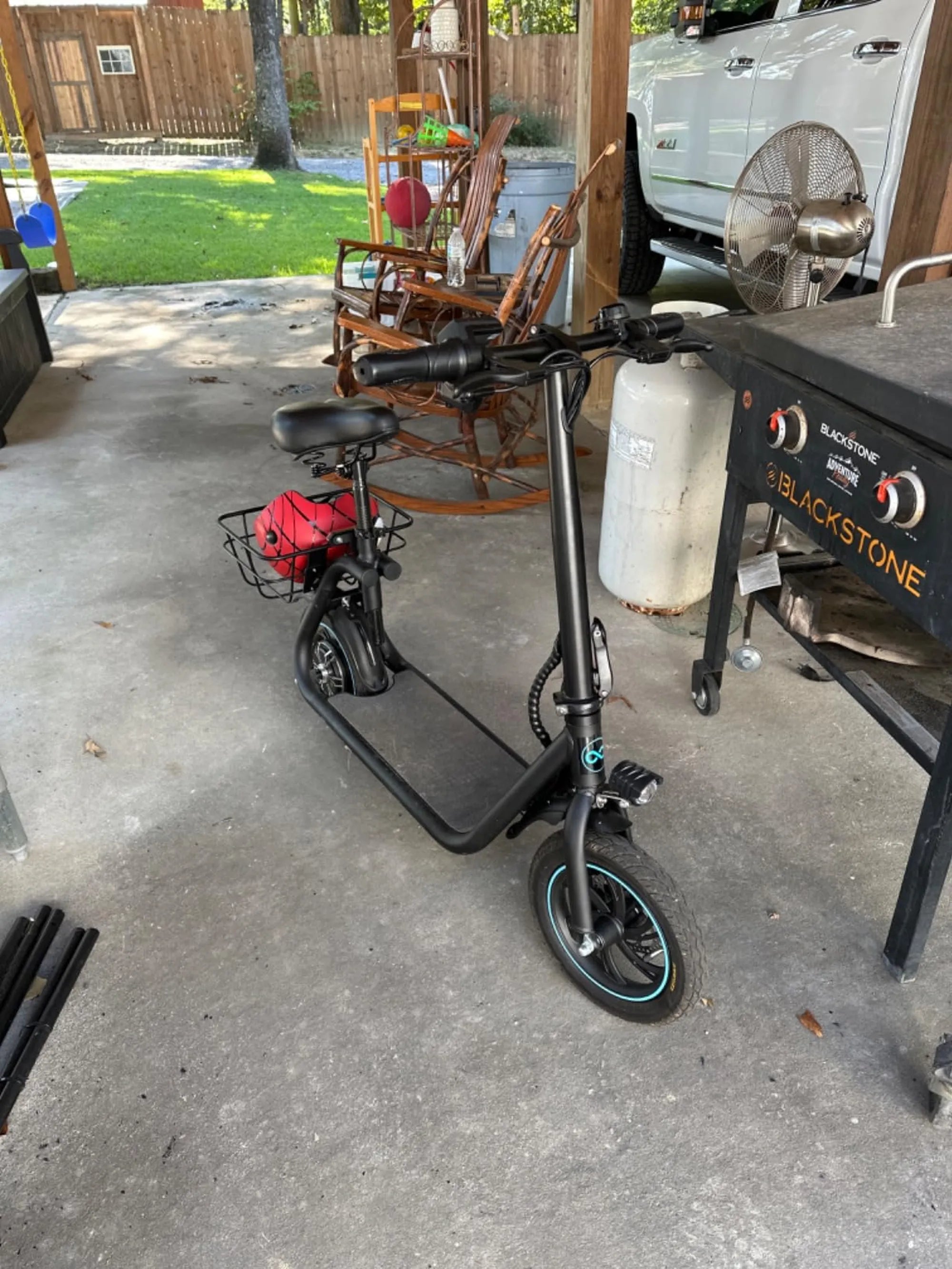
Electric bikes are revolutionizing the way we commute, exercise, and explore, but the heart of every e-bike lies in its battery. Understanding how these powerhouses work can make all the difference in your riding experience. Whether you're a seasoned e-bike enthusiast or just starting your journey, this deep dive into electric bike batteries will equip you with the knowledge to maximize performance, longevity, and value.
The Anatomy of Electric Bike Batteries
Electric bike batteries consist of several key components that work together to store and deliver power efficiently. The battery cells are the fundamental building blocks, typically arranged in series or parallel configurations to achieve the desired voltage and capacity. These cells are housed in a protective casing that includes a battery management system (BMS), which regulates charging, prevents over-discharge, and ensures balanced cell performance.
Common Battery Chemistries Compared
Modern electric bikes primarily use three types of battery chemistries, each with distinct advantages and limitations:
- Lithium-ion (Li-ion): The most popular choice offering high energy density, lightweight construction, and no memory effect
- Lithium Iron Phosphate (LiFePO4): Known for exceptional safety and longevity but slightly heavier than standard Li-ion
- Nickel-Metal Hydride (NiMH): An older technology that's more affordable but suffers from lower energy density
Understanding Battery Capacity and Range
Battery capacity, measured in watt-hours (Wh), determines how far your electric bike can travel on a single charge. This figure results from multiplying the battery's voltage (V) by its amp-hour (Ah) rating. Real-world range depends on numerous factors including rider weight, terrain, assist level, and weather conditions. As a general rule, you can expect approximately 20-40 miles per 300Wh of battery capacity under moderate riding conditions.
Charging Practices for Optimal Battery Health
Proper charging habits significantly impact battery lifespan. Avoid letting your battery fully discharge regularly, as this stresses the cells. Instead, aim to recharge when the battery reaches about 20-30% capacity. While modern batteries don't suffer from the "memory effect" of older technologies, they do benefit from occasional full discharge cycles (about once every 30 charges) to help calibrate the battery meter.
Temperature Considerations for E-Bike Batteries
Extreme temperatures are the nemesis of electric bike batteries. Cold weather temporarily reduces capacity and performance, while excessive heat can cause permanent damage to battery cells. Store and charge your battery in moderate temperatures (ideally between 50-77°F) for best results. If riding in cold weather, try to keep the battery insulated and consider bringing it indoors when not in use.
Battery Lifespan and Replacement Indicators
Most quality electric bike batteries last between 500-1,000 full charge cycles before capacity drops to about 80% of original performance. Signs you might need a replacement include significantly reduced range, longer charging times, or the battery not holding charge as it once did. Proper maintenance can extend this lifespan considerably, making it worth investing time in proper care.
Safety Tips for Handling E-Bike Batteries
While modern electric bike batteries are generally safe, proper handling is crucial. Always use the manufacturer-approved charger, avoid physical damage to the battery casing, and never expose batteries to extreme temperatures or moisture. If you notice any swelling, strange odors, or excessive heat during charging, discontinue use immediately and consult a professional.
The Future of Electric Bike Battery Technology
Emerging technologies promise exciting developments in e-bike batteries. Solid-state batteries, silicon anodes, and advanced battery management systems are on the horizon, potentially offering greater energy density, faster charging, and improved safety. As these technologies mature, we can expect electric bikes to become even more practical and versatile.
Mastering the intricacies of electric bike batteries unlocks the full potential of your e-bike experience. With this knowledge in hand, you're now equipped to make smarter decisions about charging, maintenance, and upgrades that will keep you riding farther and longer. The road ahead looks bright—and fully charged!
Best Electric Bike for Daily Commute: The Ultimate Guide to Eco-Friendly Travel
Electric Bike for 14 Year Old Girl: The Ultimate Guide to Safe and Fun Riding