

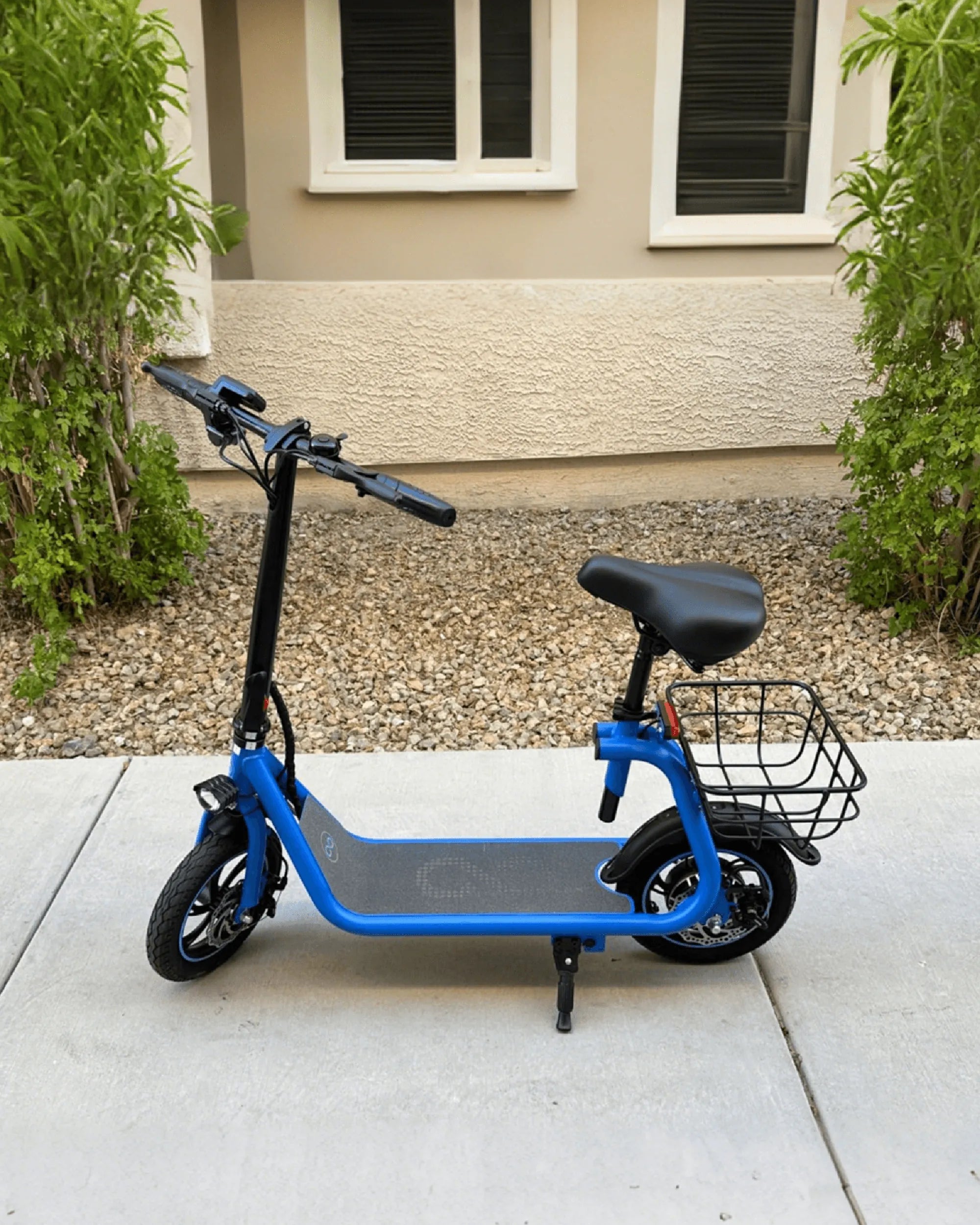
Imagine cruising up steep hills with ease, gliding through traffic effortlessly, and arriving at your destination without breaking a sweat. Electric bike conversion kits make this dream a reality by transforming your standard bicycle into a high-performance e-bike. Whether you're a commuter, a weekend adventurer, or just looking to reduce your carbon footprint, these kits offer an affordable and eco-friendly way to upgrade your ride.
What Are Electric Bike Conversion Kits?
Electric bike conversion kits are aftermarket components designed to add electric motor assistance to a traditional bicycle. These kits typically include a motor, battery, controller, throttle, and other necessary accessories. They come in various configurations to suit different riding styles and budgets, making them a versatile option for cyclists of all levels.
Types of Bicycle Motor Kits
There are three main types of electric bike conversion kits, each with its own advantages:
1. Front Hub Motor Kits
Front hub motors are installed in the front wheel of the bicycle. They are easy to install and provide a balanced ride, making them ideal for beginners. However, they may not offer as much traction as rear hub motors, especially on steep inclines.
2. Rear Hub Motor Kits
Rear hub motors replace the rear wheel and deliver power directly to the drivetrain. These kits provide better traction and handling, making them a popular choice for off-road and hilly terrains. Installation can be slightly more complex than front hub motors.
3. Mid-Drive Motor Kits
Mid-drive motors are mounted near the bike's bottom bracket and integrate with the chain and gears. They offer superior efficiency and performance, especially on challenging terrain. However, they tend to be more expensive and require professional installation.
Benefits of Using an Electric Bike Conversion Kit
Converting your bicycle with an electric motor kit comes with numerous benefits:
- Cost-Effective: Cheaper than buying a new e-bike.
- Eco-Friendly: Reduces carbon emissions compared to cars.
- Customizable: Choose the power and range that suits your needs.
- Convenient: Easier to park and maneuver in urban areas.
- Health Benefits: Combine pedal power with electric assistance for a balanced workout.
How to Choose the Right Kit for Your Bike
Selecting the perfect electric bike conversion kit depends on several factors:
- Bike Compatibility: Ensure the kit fits your bike's wheel size and frame.
- Motor Power: Higher wattage provides more speed and torque but may drain the battery faster.
- Battery Capacity: Measured in watt-hours (Wh), this determines your riding range.
- Riding Terrain: Choose a motor type based on whether you ride on flat roads or hilly trails.
- Budget: Kits range from affordable basic models to high-end systems with advanced features.
Installation Process
While installation varies by kit type, here’s a general overview of the process:
- Remove the Existing Wheel: Replace it with the motorized wheel included in the kit.
- Install the Battery: Mount it securely on the frame or rear rack.
- Connect the Controller: Attach it to the bike and wire it to the motor and battery.
- Add the Throttle or Pedal Assist Sensor: Depending on your kit, install the throttle on the handlebar or the sensor on the crank.
- Test the System: Ensure all connections are secure and the motor engages properly.
For those unfamiliar with bike mechanics, professional installation is recommended to avoid safety issues.
Maintenance Tips for Your Electric Bike Conversion
To keep your e-bike running smoothly, follow these maintenance tips:
- Regularly check tire pressure and brake performance.
- Keep the battery charged and avoid extreme temperatures.
- Clean the motor and electrical components to prevent dirt buildup.
- Inspect wiring for wear and tear.
- Lubricate the chain and gears as needed.
Legal Considerations
Before converting your bike, check local regulations regarding e-bikes. Laws vary by region, but common restrictions include:
- Maximum motor power (often 250W to 750W).
- Top speed limits (typically 20-28 mph).
- Requirements for lights, reflectors, and helmets.
Non-compliance could result in fines or restrictions on where you can ride.
Frequently Asked Questions
How Far Can I Ride on a Single Charge?
Range depends on battery capacity, motor power, terrain, and rider weight. Most kits offer 20-50 miles per charge.
Can I Still Pedal Without Electric Assistance?
Yes! Most kits allow you to switch between pedal-only, electric-only, or combined modes.
Is It Difficult to Install a Conversion Kit?
Basic kits are DIY-friendly, but mid-drive systems may require professional help.
How Long Does the Battery Last?
Batteries typically last 500-1,000 charge cycles before needing replacement.
Ready to revolutionize your cycling experience? Electric bike conversion kits offer a smart, sustainable way to enhance your ride without breaking the bank. Whether you're tackling daily commutes or exploring new trails, these kits provide the power and freedom you’ve been missing. Don’t wait—transform your bike today and join the e-bike revolution!
Best Ladies Electric Bike Australia: Top Picks for Effortless Commuting
Middlesex Fells Mountain Biking: Trails, Tips, and Thrills for Every Rider