


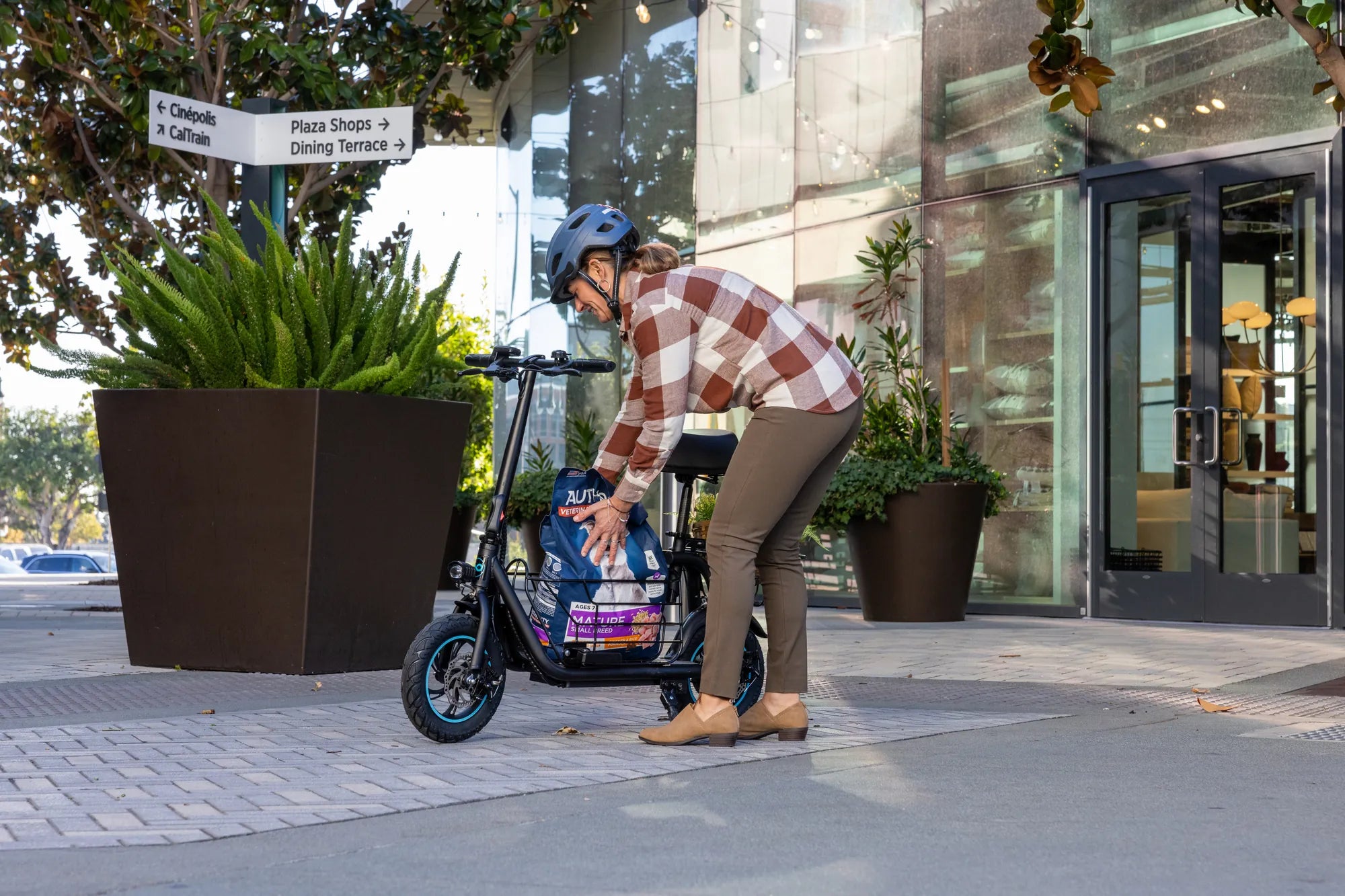
Electric bikes are revolutionizing the way we commute, exercise, and explore the outdoors. But what exactly makes them tick? If you've ever wondered how these high-tech bicycles work or whether they're worth the investment, you're in the right place. This deep dive into the world of e-bikes will answer all your burning questions and more.
How Electric Bikes Work
At their core, electric bikes combine traditional bicycle mechanics with modern electrical components. The system consists of three primary elements: a motor, a battery, and a controller. When you pedal or engage the throttle, the controller draws power from the battery and delivers it to the motor, which provides assistance to your pedaling effort.
The Motor System
The motor is the heart of any electric bike. Most modern e-bikes use brushless DC motors for their efficiency and durability. These motors typically come in three configurations:
- Hub motors: Integrated into either the front or rear wheel
- Mid-drive motors: Positioned at the bike's crank and pedal area
- All-wheel drive: Combines both front and rear hub motors
Battery Technology
The battery pack stores the electrical energy that powers the motor. Most e-bikes use lithium-ion batteries due to their high energy density and long lifespan. Battery capacity is measured in watt-hours (Wh), which determines how far you can travel on a single charge. Factors like rider weight, terrain, and assistance level significantly impact range.
Key Components of an Electric Bike
Beyond the motor and battery, several other components work together to create a seamless riding experience:
Controller Unit
This electronic brain manages power distribution between the battery and motor. It interprets input from the pedals or throttle and adjusts motor assistance accordingly.
Pedal Assist Sensors
These sensors detect your pedaling motion and cadence, signaling the controller to provide proportional assistance. There are two main types:
- Torque sensors (measure how hard you're pedaling)
- Cadence sensors (measure whether you're pedaling)
Display and Interface
Most e-bikes feature an onboard computer that shows vital information like speed, battery level, and assistance mode. Advanced models may include GPS, Bluetooth connectivity, and performance tracking.
Benefits of Electric Bikes
E-bikes offer numerous advantages that explain their growing popularity worldwide:
Eco-Friendly Transportation
Electric bikes produce zero direct emissions and use far less energy than cars or motorcycles. They're an excellent way to reduce your carbon footprint while maintaining mobility.
Health and Fitness
Contrary to some misconceptions, e-bikes still provide exercise. Riders can choose how much assistance they need, making cycling accessible to people of varying fitness levels.
Cost Savings
Compared to car ownership, e-bikes offer significant savings on fuel, insurance, and maintenance. They're also exempt from many licensing and registration requirements.
Choosing the Right Electric Bike
With so many options available, selecting the perfect e-bike depends on several factors:
Intended Use
Consider whether you'll primarily use your e-bike for commuting, recreation, or off-road adventures. Different designs excel in various environments.
Motor Type and Placement
Hub motors offer simplicity and lower cost, while mid-drive motors provide better weight distribution and efficiency on hills.
Battery Range
Evaluate your typical riding distance to determine the minimum battery capacity you'll need. Remember that real-world range is often less than manufacturer claims.
The Future of Electric Bikes
As technology advances, we can expect to see exciting developments in e-bike design and functionality:
Improved Battery Technology
Emerging battery chemistries promise longer ranges, faster charging, and reduced environmental impact.
Smart Integration
Future e-bikes will likely feature deeper integration with smartphones and smart city infrastructure, enabling features like theft prevention and traffic optimization.
Lightweight Materials
Advances in frame materials and component design will continue to reduce weight while maintaining durability and performance.
Electric bikes represent more than just a passing trend—they're a fundamental shift in personal transportation. Whether you're looking to conquer hills with ease, reduce your commute time, or simply enjoy the outdoors with less effort, there's an e-bike solution waiting for you. The technology has matured to the point where reliability and performance meet real-world needs, making now the perfect time to join the electric revolution on two wheels.
Make Electric Bike Faster: Proven Tips and Tricks to Boost Speed
Cheap Electric Bike London: The Ultimate Guide to Affordable E-Biking