



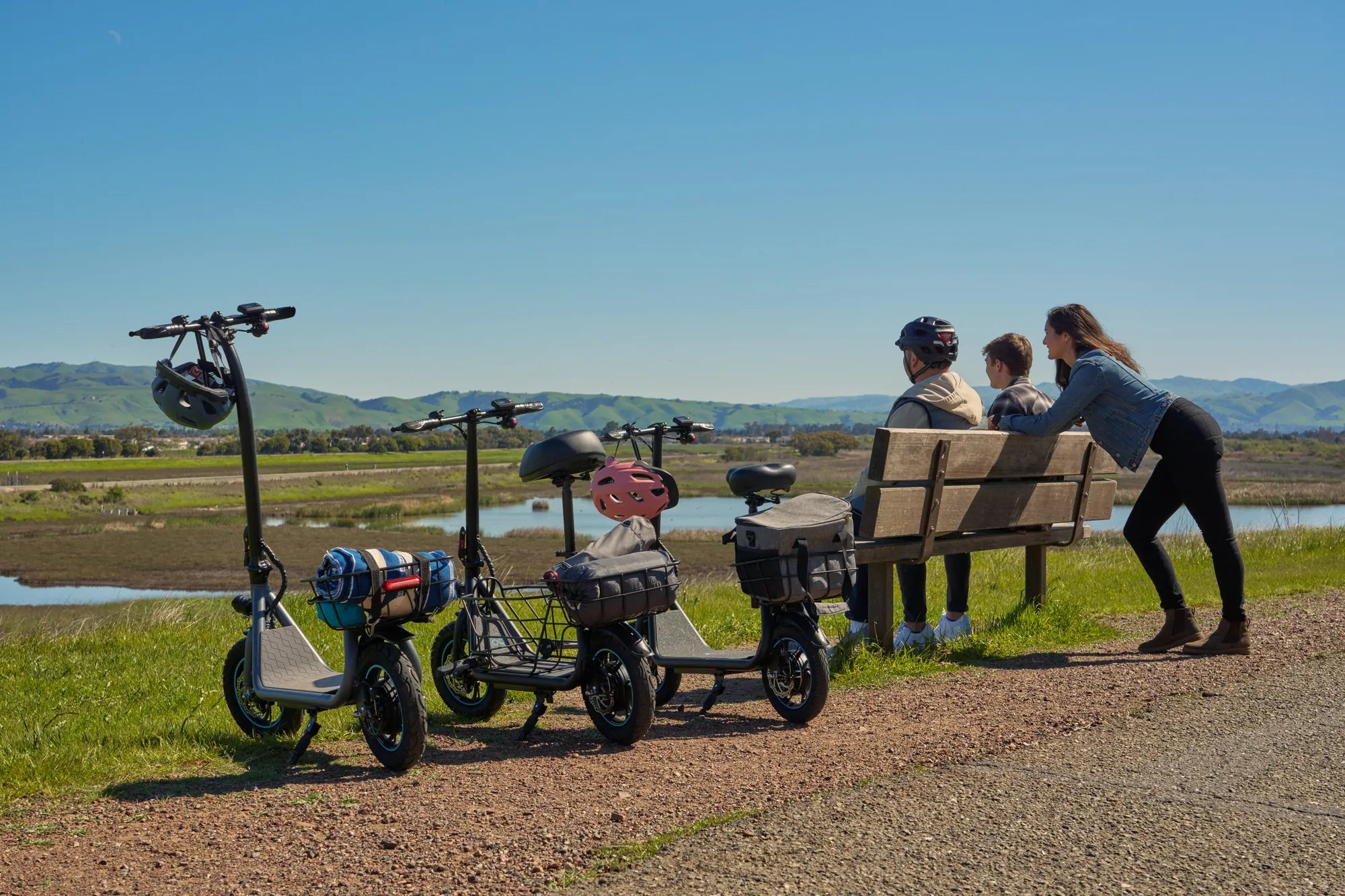
Electric bikes have revolutionized personal transportation, offering a blend of convenience, efficiency, and speed. But just how fast can an electric bike go? Whether you're a commuter looking to shave minutes off your trip or an adrenaline junkie craving speed, understanding the electric bike maximum speed is key to making the most of your ride.
What Determines Electric Bike Maximum Speed?
The top speed of an electric bike depends on several factors, including motor power, battery capacity, rider weight, terrain, and legal restrictions. Most standard e-bikes are designed to assist riders up to 20-28 mph (32-45 km/h), but some high-performance models can exceed these limits under the right conditions.
Motor Power and Performance
The motor is the heart of an electric bike, and its wattage plays a significant role in determining speed. A 250W motor may suffice for casual riding, while a 750W or 1000W motor can deliver higher speeds and better acceleration. However, more power doesn't always mean higher speeds—efficiency and design also matter.
Battery Capacity and Range
A high-capacity battery ensures sustained performance, but it doesn't directly increase maximum speed. Instead, it affects how long you can maintain top speed before needing a recharge. Voltage and amperage also influence how efficiently the motor can draw power, impacting acceleration and speed.
Rider and Terrain Factors
Heavier riders may experience slightly reduced speeds due to increased load on the motor. Similarly, uphill climbs or rough terrain can limit top speed, while flat, smooth surfaces allow for optimal performance.
Legal Limits on Electric Bike Maximum Speed
Most countries classify electric bikes based on their maximum assisted speed. In the U.S., Class 1 and Class 2 e-bikes are capped at 20 mph, while Class 3 models can reach 28 mph. Exceeding these limits may require registration, licensing, or even reclassification as a moped or motorcycle.
International Regulations
European Union regulations limit e-bikes to 25 km/h (15.5 mph) for pedal-assist models, while throttle-controlled bikes may face stricter rules. Always check local laws to avoid fines or legal issues.
How to Safely Increase Your Electric Bike's Speed
If you're looking to push your e-bike's limits, consider these safe and legal methods:
- Optimize Tire Pressure: Properly inflated tires reduce rolling resistance, improving speed.
- Reduce Weight: Lighter frames and minimal cargo help the motor perform more efficiently.
- Upgrade Components: High-quality chains, gears, and bearings can enhance performance.
The Risks of Modifying Your E-Bike
Tampering with speed limiters or installing aftermarket parts can void warranties, compromise safety, and lead to legal trouble. Always prioritize safety and compliance over speed.
The Future of Electric Bike Speed
Advancements in battery technology, motor efficiency, and lightweight materials are pushing the boundaries of electric bike maximum speed. As regulations evolve, we may see faster, more capable e-bikes hitting the market.
Ready to experience the thrill of speed on two wheels? Whether you're sticking to legal limits or exploring high-performance options, understanding your electric bike's capabilities ensures a safer, more enjoyable ride.
Is Electric Bike Need License? Understanding the Legal Requirements
Is Electric Bike Need License? Understanding the Legal Requirements