



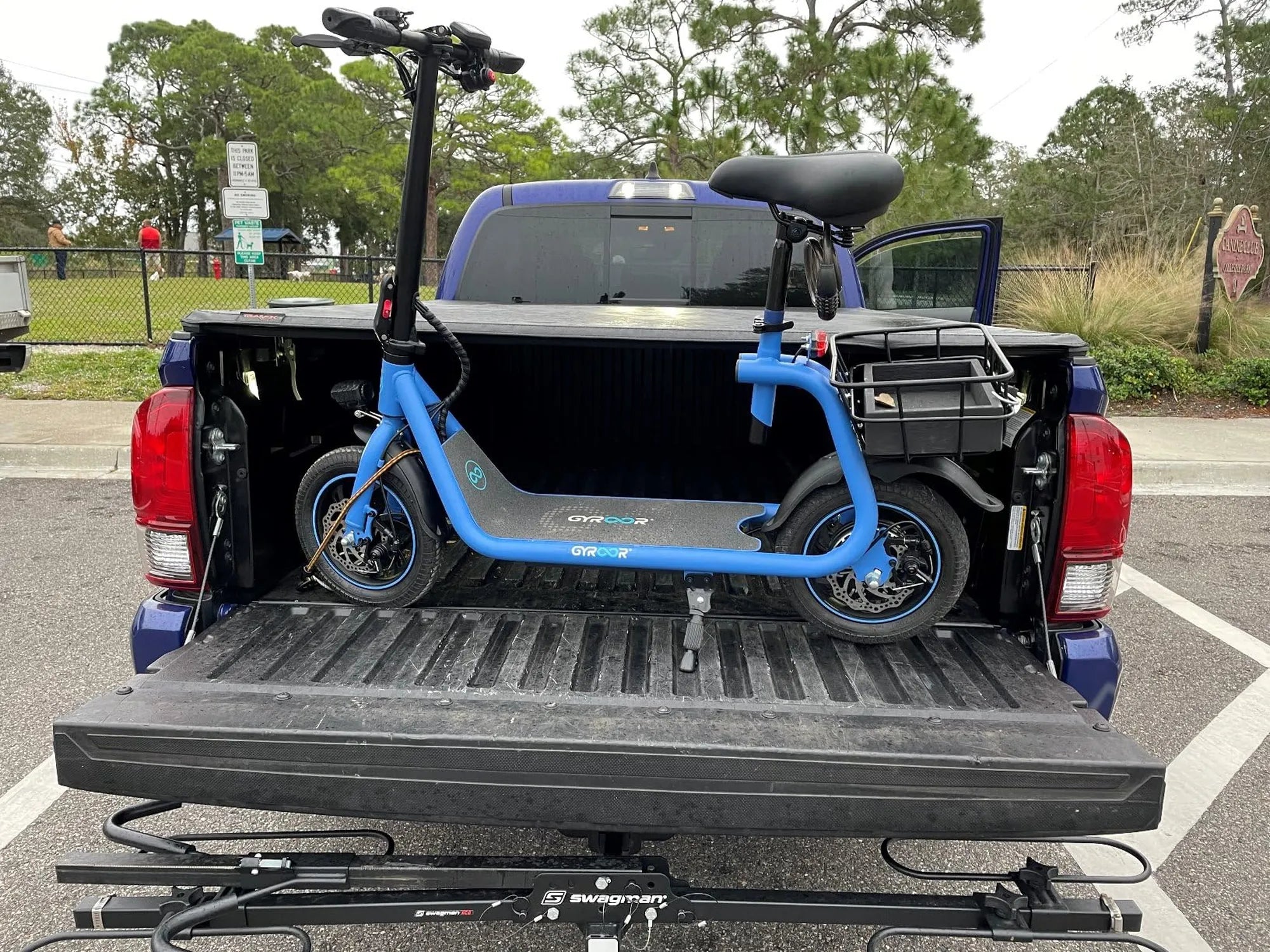
Electric bikes are revolutionizing urban transportation, offering a convenient and eco-friendly alternative to cars. However, their increasing presence on sidewalks has sparked debates about safety, legality, and shared spaces. Whether you're a rider, pedestrian, or city planner, understanding the implications of electric bikes on sidewalks is crucial for harmonious urban living.
The Rise of Electric Bikes in Urban Areas
Electric bikes have surged in popularity, thanks to their ability to combine the benefits of cycling with motorized assistance. They provide a sweat-free commute, reduce traffic congestion, and lower carbon emissions. However, as more people adopt this mode of transportation, sidewalks have become a common route for riders, especially in crowded cities.
Safety Concerns: Pedestrians and Riders at Risk
One of the biggest issues with electric bikes on sidewalks is safety. Pedestrians, particularly children, the elderly, and those with disabilities, are vulnerable to collisions. Electric bikes can reach speeds of up to 20 mph, making them significantly faster than traditional bicycles. This speed, combined with the quiet operation of electric motors, can catch pedestrians off guard.
Riders also face risks. Sidewalks are designed for walking, not cycling. Uneven surfaces, obstacles like street furniture, and sudden pedestrian movements can lead to accidents. Additionally, transitioning from sidewalk to road at intersections can be hazardous.
Legal Landscape: Where Are Electric Bikes Allowed?
The legality of riding electric bikes on sidewalks varies widely by location. Some cities explicitly prohibit it, while others allow it under certain conditions, such as reduced speed limits or designated bike lanes. In many places, the rules are unclear or poorly enforced, leading to confusion among riders and pedestrians alike.
For example, in some jurisdictions, electric bikes are classified similarly to traditional bicycles, allowing them on sidewalks unless local ordinances say otherwise. In others, they are treated as motor vehicles, restricting them to roads. Riders must familiarize themselves with local laws to avoid fines or accidents.
Urban Planning: Adapting to Shared Spaces
As electric bikes become a staple of urban mobility, cities must rethink infrastructure. Dedicated bike lanes, separated from both roads and sidewalks, are one solution. These lanes provide a safe space for riders while protecting pedestrians. Some cities are also experimenting with shared pathways, where clear signage and speed limits help manage interactions between cyclists and walkers.
Another approach is to improve road conditions for cyclists, encouraging them to stay off sidewalks. Smooth pavement, protected intersections, and bike-friendly traffic signals can make roads more appealing for electric bike riders.
Etiquette for Riders and Pedestrians
Regardless of legalities, mutual respect is key to sharing sidewalks safely. Riders should slow down when passing pedestrians, use bells or verbal cues to announce their presence, and yield to walkers. Pedestrians can help by staying aware of their surroundings and avoiding sudden movements.
Education campaigns can play a role in promoting these behaviors. Many accidents occur due to a lack of awareness about electric bike capabilities and rules. Public outreach can bridge this gap.
The Future of Electric Bikes and Sidewalks
The debate over electric bikes on sidewalks reflects broader challenges in urban planning. As cities grow denser and transportation options diversify, finding ways to accommodate everyone is essential. Electric bikes are here to stay, and their integration into urban landscapes requires thoughtful solutions that prioritize safety and accessibility.
From better infrastructure to clearer laws, the path forward involves collaboration between riders, pedestrians, and policymakers. The goal is a city where electric bikes enhance mobility without compromising safety or convenience for anyone.
Electric bikes on sidewalks are more than just a trend—they're a test of how well our cities can adapt to new technologies. By addressing the challenges head-on, we can create urban environments that work for everyone, whether they're on two wheels or two feet.
Best Electric Dirt Bike Under $3,000: Top Picks and Buying Guide
Class 3 Electric Mountain Bike: The Ultimate Off-Road Adventure Companion