

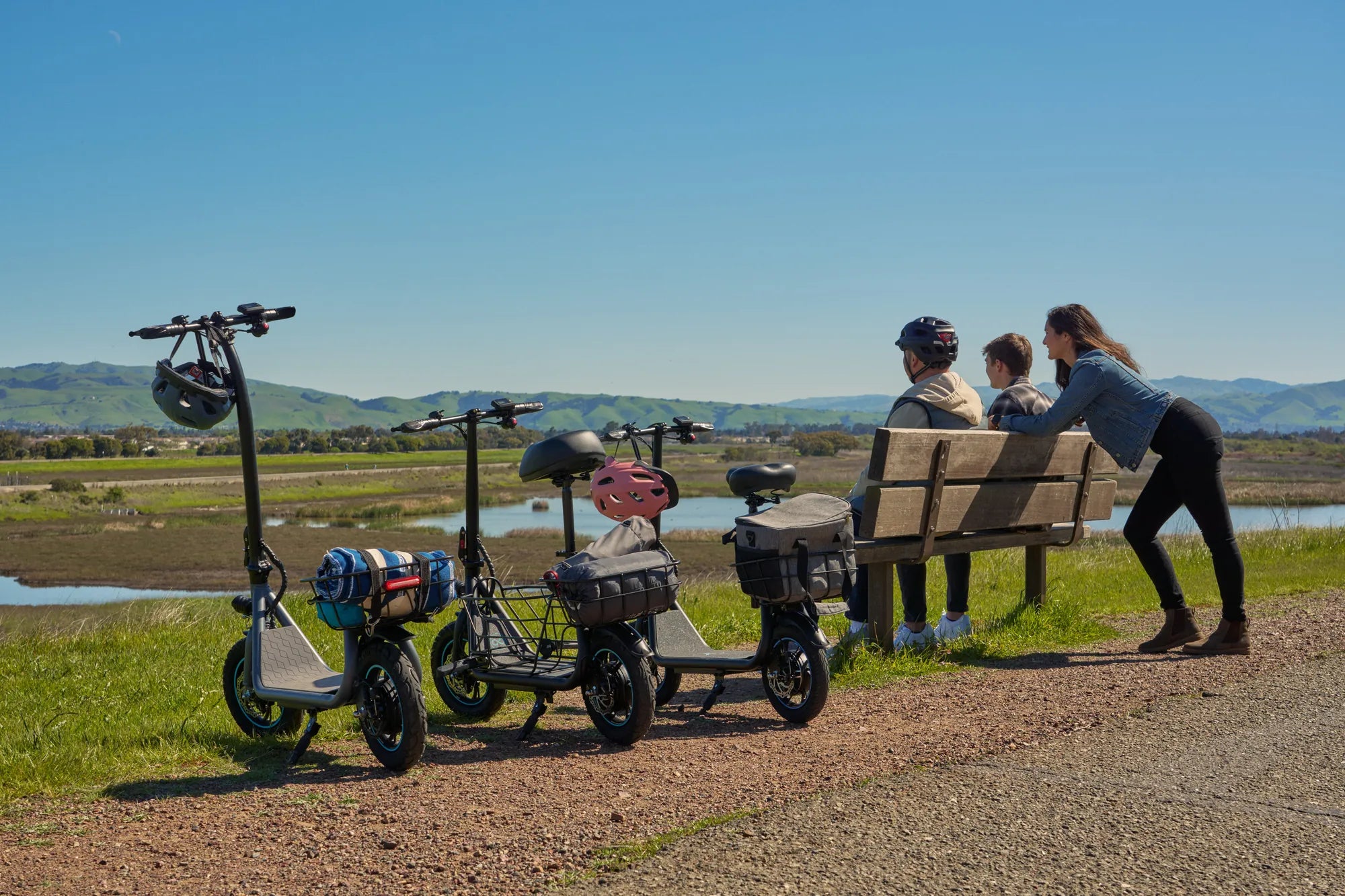
Electric bikes are revolutionizing the way we commute, exercise, and explore. But with so many models and features available, understanding electric bike specifications is essential to finding the right fit for your lifestyle. Whether you're a daily commuter, a weekend adventurer, or someone looking for a greener way to get around, this guide will break down the key specs you need to know.
Motor Power and Performance
The motor is the heart of any electric bike, and its power is measured in watts (W). Most e-bikes range between 250W and 750W, with higher wattage offering more speed and torque. A 250W motor is ideal for flat terrains and casual riding, while a 500W or 750W motor is better for hilly areas or heavier loads. Pay attention to the motor type as well—hub motors are common for city bikes, while mid-drive motors offer better balance and efficiency for off-road use.
Battery Capacity and Range
Battery capacity, measured in watt-hours (Wh), determines how far you can ride on a single charge. A typical e-bike battery ranges from 300Wh to 700Wh, with higher numbers providing longer ranges. For example, a 500Wh battery can deliver 40-70 miles per charge, depending on factors like terrain, rider weight, and assist level. Look for removable batteries if you plan to charge indoors, and consider charging time—most batteries take 3-6 hours to fully recharge.
Frame and Build Quality
The frame material impacts the bike's weight, durability, and ride comfort. Aluminum frames are lightweight and rust-resistant, making them popular for urban e-bikes. Steel frames are heavier but offer superior strength, ideal for cargo or off-road models. Carbon fiber is the lightest and most expensive, often found in high-performance e-bikes. Check the frame geometry too—upright designs are comfortable for commuting, while aggressive geometries suit speed-focused riders.
Braking Systems
Safety is paramount, especially when riding at higher speeds. Electric bikes typically come with either mechanical disc brakes or hydraulic disc brakes. Hydraulic brakes offer better stopping power and require less maintenance, making them worth the extra investment for frequent riders. Rim brakes are rare on e-bikes due to their lower efficiency under heavy loads.
Tire Size and Type
Tire choice affects ride comfort and performance. Narrow tires (1.5-2 inches) are faster on paved roads, while wider tires (2.5-4 inches) provide better traction on rough or loose surfaces. Some e-bikes feature puncture-resistant tires or tubeless setups for added reliability. Consider the tread pattern too—smooth treads are efficient for city riding, while knobby treads excel off-road.
Assist Levels and Display
Most e-bikes offer multiple pedal-assist levels (e.g., eco, normal, sport) to customize your effort. Some models include a throttle for full electric power without pedaling. The display unit shows vital info like speed, battery level, and distance traveled. Advanced displays may integrate with smartphones for navigation or fitness tracking.
Weight and Portability
E-bikes are heavier than traditional bikes due to the motor and battery. Average weights range from 40-70 pounds, so consider how you'll transport or store it. Folding e-bikes are a compact option for small spaces, while lightweight models are easier to carry upstairs.
Legal Considerations
E-bike laws vary by region. In many areas, bikes with motors up to 750W and speeds under 20-28 mph are classified as bicycles, requiring no license. Always check local regulations to ensure compliance.
Ready to find your perfect electric bike? Armed with these specifications, you're now equipped to make a confident choice that matches your riding style and needs. Happy cycling!
Electric Motor Bike Motor: The Future of Sustainable Transportation
Electric Bike for Adults Under $700: Affordable and Efficient Commuting