

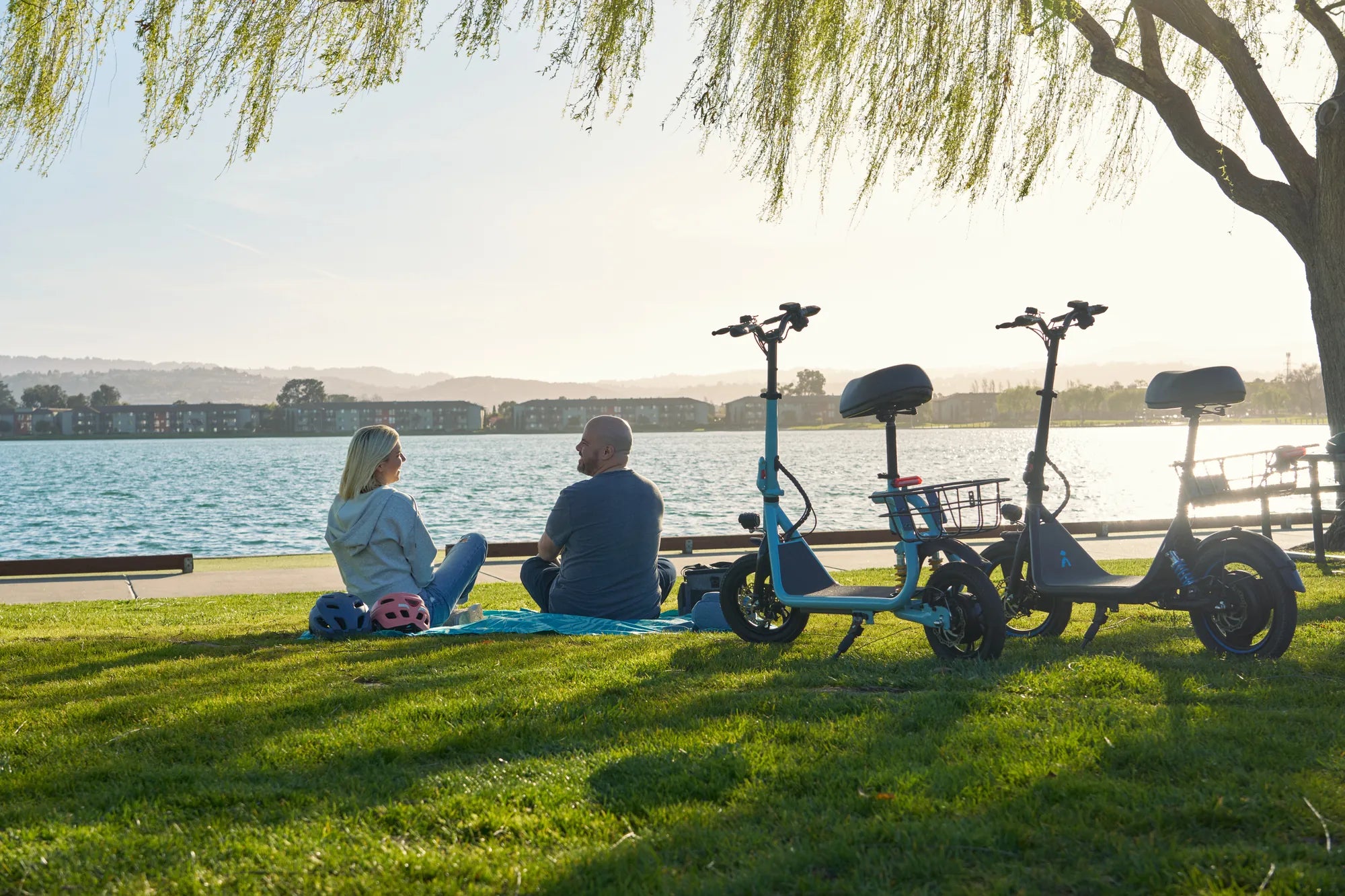
Riding an electric bike is an exhilarating experience, but did you know that something as simple as tire pressure can make or break your ride? Whether you're a daily commuter or a weekend adventurer, understanding electric bike tire pressure is crucial for maximizing performance, safety, and comfort. Let's dive into the world of tire pressure and uncover the secrets to a smoother, more efficient ride.
Why Electric Bike Tire Pressure Matters
Electric bike tire pressure plays a pivotal role in how your bike handles, accelerates, and brakes. Unlike traditional bicycles, e-bikes are heavier due to the motor and battery, which means tire pressure needs to be carefully managed to support the extra weight. Properly inflated tires ensure better traction, reduce rolling resistance, and prevent unnecessary wear and tear.
The Science Behind Tire Pressure
Tire pressure is measured in pounds per square inch (PSI) and varies depending on factors like rider weight, terrain, and tire type. Underinflated tires can lead to sluggish handling, increased puncture risk, and higher energy consumption, while overinflated tires may result in a harsh ride and reduced grip. Finding the sweet spot is key to a balanced ride.
How to Check Your Electric Bike Tire Pressure
Checking your tire pressure is a simple yet essential task. Use a reliable pressure gauge to measure the PSI, and compare it to the recommended range printed on the tire sidewall. For most e-bikes, the ideal pressure falls between 30 and 50 PSI, but always refer to your manufacturer's guidelines for precise numbers.
Adjusting Tire Pressure for Different Conditions
Different riding conditions call for different tire pressures. For smooth pavement, higher pressure reduces rolling resistance and improves efficiency. Off-road trails, on the other hand, benefit from slightly lower pressure for better shock absorption and grip. Adjust accordingly to match your environment.
Common Mistakes to Avoid
Many riders overlook the importance of regular tire pressure checks, leading to suboptimal performance or even accidents. Avoid these common pitfalls:
- Ignoring seasonal changes in temperature, which affect tire pressure.
- Overinflating tires to compensate for a heavy load, which can compromise safety.
- Using the wrong type of pump, which may not provide accurate pressure readings.
Tools for Maintaining Optimal Tire Pressure
Investing in the right tools can make tire maintenance a breeze. A high-quality floor pump with a built-in pressure gauge is a must-have. Portable mini-pumps are great for on-the-go adjustments, while digital pressure gauges offer precision for those who want exact measurements.
The Impact of Tire Pressure on Battery Life
Did you know that improper tire pressure can drain your e-bike's battery faster? Underinflated tires create more rolling resistance, forcing the motor to work harder and consume more power. Keeping your tires at the right pressure ensures maximum battery efficiency and extends your riding range.
Signs Your Tire Pressure Needs Adjustment
Your e-bike will often give you subtle hints that it's time to check the tires. Look out for:
- Excessive vibration or a bumpy ride.
- Difficulty maintaining speed or pedaling efficiency.
- Visible tire deformation or frequent flats.
Expert Tips for Long-Term Tire Care
To keep your electric bike tires in top shape, follow these expert tips:
- Check pressure at least once a week, or before every long ride.
- Store your e-bike in a cool, dry place to prevent pressure fluctuations.
- Rotate your tires periodically to ensure even wear.
Mastering electric bike tire pressure is the secret to unlocking a smoother, safer, and more enjoyable ride. Whether you're tackling city streets or rugged trails, the right pressure will keep you rolling with confidence. Don't let underinflated or overinflated tires slow you down—take control of your ride today!
Quality Black Electric Kick Scooters: The Ultimate Urban Commuting Solution
Electric Bike for 15 Year Old: A Safe and Fun Way to Ride