


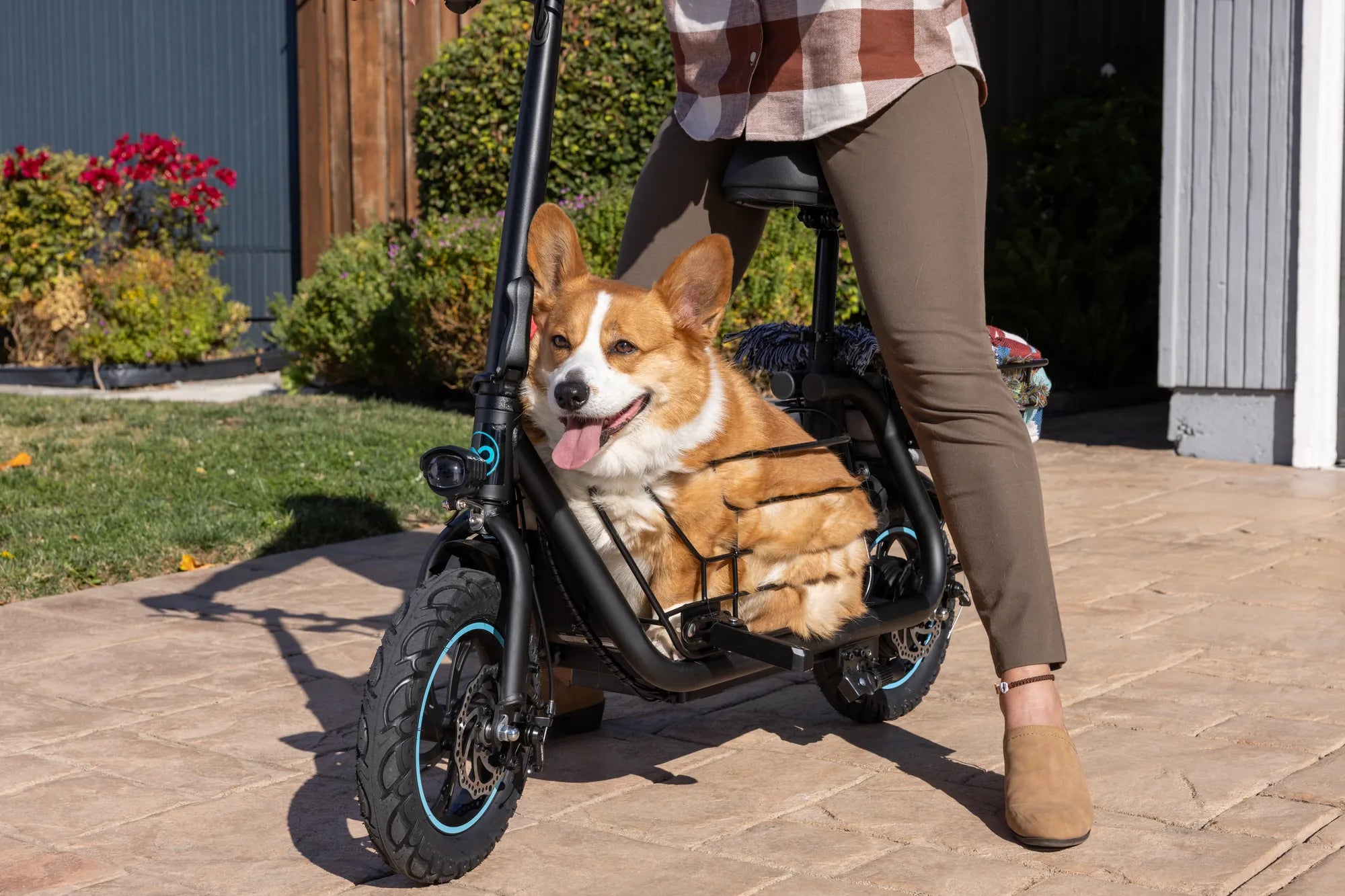
Electric bikes have revolutionized the way we commute, explore, and stay active. But before you hop on and hit the road, there's one critical factor you can't afford to overlook: electric bike weight capacity. Ignoring this could lead to safety risks, reduced performance, or even damage to your e-bike. Let's dive into everything you need to know to ride smart and ride safe.
Why Electric Bike Weight Capacity Matters
The weight capacity of an electric bike refers to the maximum load it can safely carry, including the rider and any additional cargo. Exceeding this limit can strain the motor, battery, and frame, leading to premature wear or even accidents. Manufacturers design e-bikes with specific weight limits to ensure optimal performance and safety.
Factors Affecting Electric Bike Weight Capacity
Several elements determine how much weight an e-bike can handle:
- Frame Material: Aluminum and carbon fiber frames are lightweight yet durable, often supporting higher weight limits.
- Motor Power: Higher-wattage motors can handle heavier loads more efficiently.
- Battery Life: A robust battery ensures consistent power delivery under heavier loads.
- Tire Size and Type: Wider tires with reinforced sidewalls provide better stability for heavier riders.
- Suspension System: A quality suspension absorbs shocks and distributes weight evenly.
How to Choose an Electric Bike Based on Weight Capacity
Selecting the right e-bike starts with understanding your needs:
- Calculate Your Total Load: Include your body weight, clothing, and any gear or cargo you plan to carry.
- Check Manufacturer Specifications: Always review the weight limit listed in the e-bike's manual or product details.
- Test Ride: If possible, take the bike for a spin to ensure it feels stable under your weight.
- Consider Upgrades: Some e-bikes allow for reinforced components like stronger wheels or a more powerful motor.
Tips for Maximizing Your Electric Bike's Performance
Even if you're within the weight limit, these tips can help you get the most out of your e-bike:
- Distribute Weight Evenly: Avoid overloading one side of the bike, especially when carrying cargo.
- Maintain Proper Tire Pressure: Underinflated tires can reduce efficiency and increase wear.
- Service Regularly: Routine checks on brakes, chains, and suspension keep your bike running smoothly.
- Use Pedal Assist Wisely: Relying too much on the motor can drain the battery faster, especially under heavy loads.
Common Myths About Electric Bike Weight Capacity
Let's debunk some misconceptions:
- Myth: "All e-bikes can carry the same weight." Reality: Weight limits vary widely based on design and components.
- Myth: "Exceeding the limit slightly won't cause issues." Reality: Even small overloads can stress critical parts over time.
- Myth: "Heavier riders can't enjoy e-bikes." Reality: Many models are built specifically for higher weight capacities.
Ready to take your e-bike adventures to the next level? By understanding and respecting your electric bike's weight capacity, you'll enjoy a smoother, safer, and longer-lasting ride. Don't let uncertainty weigh you down—equip yourself with the right knowledge and hit the road with confidence!
50 mph Electric Scooter for Sale UK: The Ultimate Guide to High-Speed Riding
Fastest Electric Bike Top Speed: Breaking the Limits of E-Bike Performance