


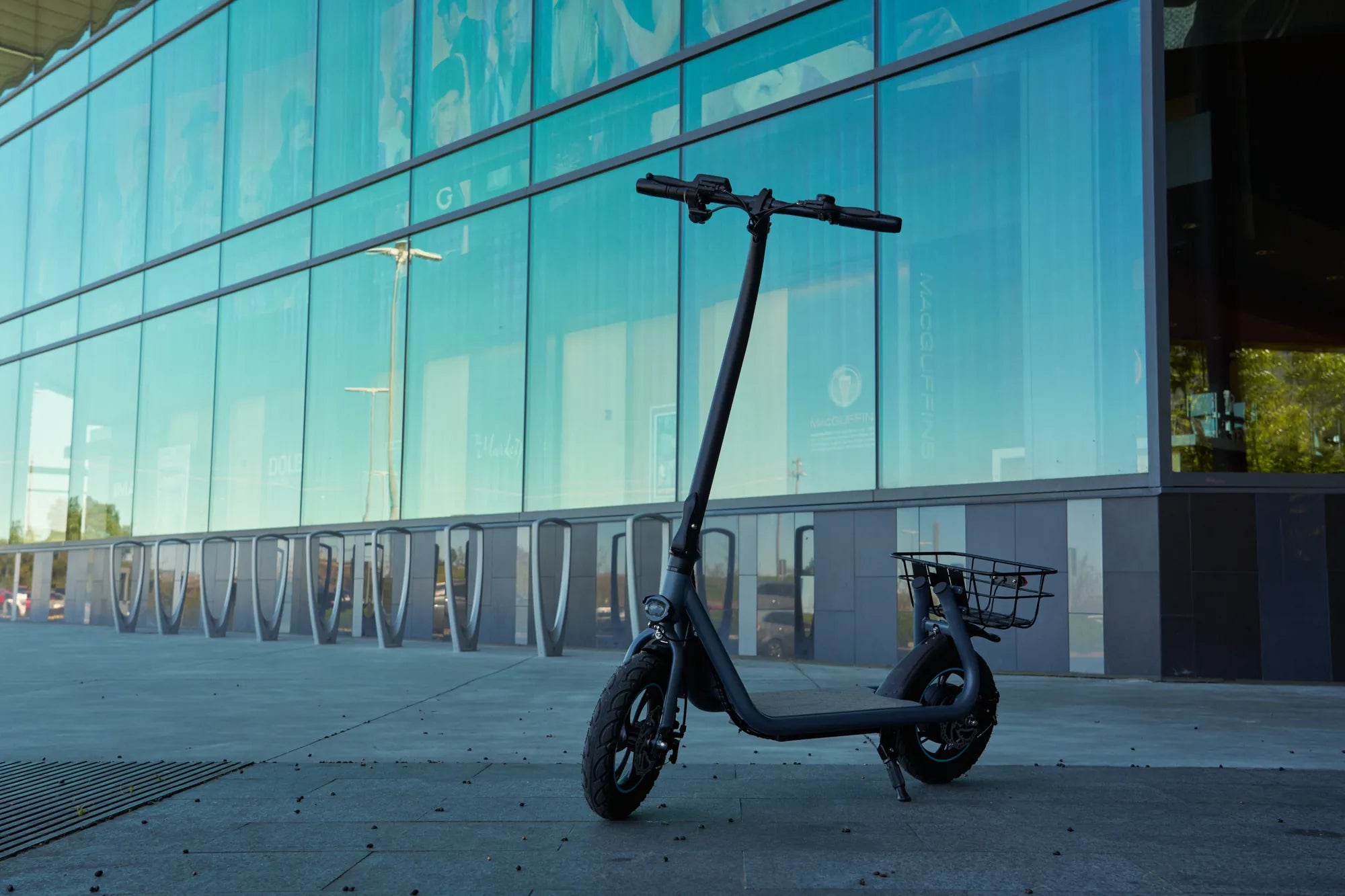
Electric e scooters have revolutionized urban mobility, offering a convenient and eco-friendly way to navigate crowded streets. But what powers these sleek machines? The answer lies in their chargers—the unsung heroes that keep your ride running smoothly. Whether you're a daily commuter or a weekend explorer, understanding your electric e scooter charger is key to maximizing performance and longevity. Let's dive into the world of charging technology and uncover the secrets to keeping your scooter powered up and ready to go.
How Does an Electric E Scooter Charger Work?
An electric e scooter charger is a specialized device designed to replenish the battery's energy safely and efficiently. It converts AC (alternating current) from your wall outlet into DC (direct current) that the battery can store. Most chargers consist of three main components:
- Transformer: Steps down the voltage to a level suitable for charging
- Rectifier: Converts AC to DC power
- Regulator: Controls the charging current and voltage to prevent overcharging
The charging process typically follows a three-stage pattern: bulk charging (fast charge), absorption charging (slower, more controlled), and float charging (maintenance mode). Understanding this cycle can help you optimize charging times while protecting your battery.
Types of Electric E Scooter Chargers
Not all chargers are created equal. Here are the most common types you'll encounter:
Standard Chargers
These basic chargers provide a steady current to your battery. They're affordable and reliable but may take longer to fully charge your scooter.
Fast Chargers
Designed for quicker charging times, these chargers deliver higher current. However, frequent use can potentially reduce battery lifespan due to increased heat generation.
Smart Chargers
The most advanced option, smart chargers automatically adjust charging parameters based on battery condition and temperature. They often include safety features like overcharge protection.
Choosing the Right Charger for Your Needs
Selecting the appropriate charger involves considering several factors:
- Voltage compatibility: Must match your scooter's battery system
- Amperage rating: Higher amps mean faster charging but may stress the battery
- Connector type: Must physically fit your scooter's charging port
- Portability: Consider size and weight if you need to carry it regularly
Always consult your scooter's manual or manufacturer specifications before purchasing a replacement charger.
Best Practices for Charging Your Electric E Scooter
Proper charging habits can significantly extend your battery's life. Follow these guidelines:
Charge in Moderate Temperatures
Extreme heat or cold can damage batteries. Aim to charge in environments between 50°F and 86°F (10°C to 30°C).
Avoid Complete Discharges
Lithium-ion batteries prefer partial discharges rather than being fully drained. Try to recharge when your battery reaches about 20-30% capacity.
Don't Overcharge
While most modern chargers have auto-shutoff features, it's still wise to unplug once fully charged to prevent unnecessary stress on the battery.
Store with Partial Charge
If not using your scooter for extended periods, store it with about 50% charge to maintain battery health.
Troubleshooting Common Charging Issues
Even with proper care, you might encounter charging problems. Here's how to address some common issues:
Charger Not Working
First, check the power outlet and cable connections. If those are fine, inspect the charger for visible damage or overheating.
Slow Charging
This could indicate a failing battery, charger issues, or environmental factors like low temperatures affecting charging efficiency.
Charger Gets Too Hot
While some warmth is normal, excessive heat may signal a problem. Discontinue use and consult a professional if this occurs.
Safety Considerations for Electric E Scooter Chargers
Charging safely is paramount. Keep these precautions in mind:
- Only use chargers designed for your specific scooter model
- Charge on a non-flammable surface in a well-ventilated area
- Never cover the charger while in use
- Inspect cables regularly for wear and tear
- Keep away from water and moisture
The Future of Electric E Scooter Charging Technology
Innovation in charging technology continues to evolve. Emerging trends include:
- Wireless charging pads for convenient top-ups
- Solar-powered charging options for eco-conscious riders
- Ultra-fast charging systems that minimize downtime
- Smart charging stations with integrated battery diagnostics
These advancements promise to make charging even more convenient and efficient in the coming years.
Your electric e scooter charger is more than just a power supply—it's the lifeline that keeps your ride alive. By understanding how it works and following proper charging practices, you can enjoy longer rides, better performance, and years of reliable service from your scooter. Ready to take your charging game to the next level? Start implementing these tips today and feel the difference in every journey!
Electric Bike Concept: Revolutionizing Urban Mobility and Sustainability
Are Electric Bikes Legal? Understanding the Rules and Regulations