



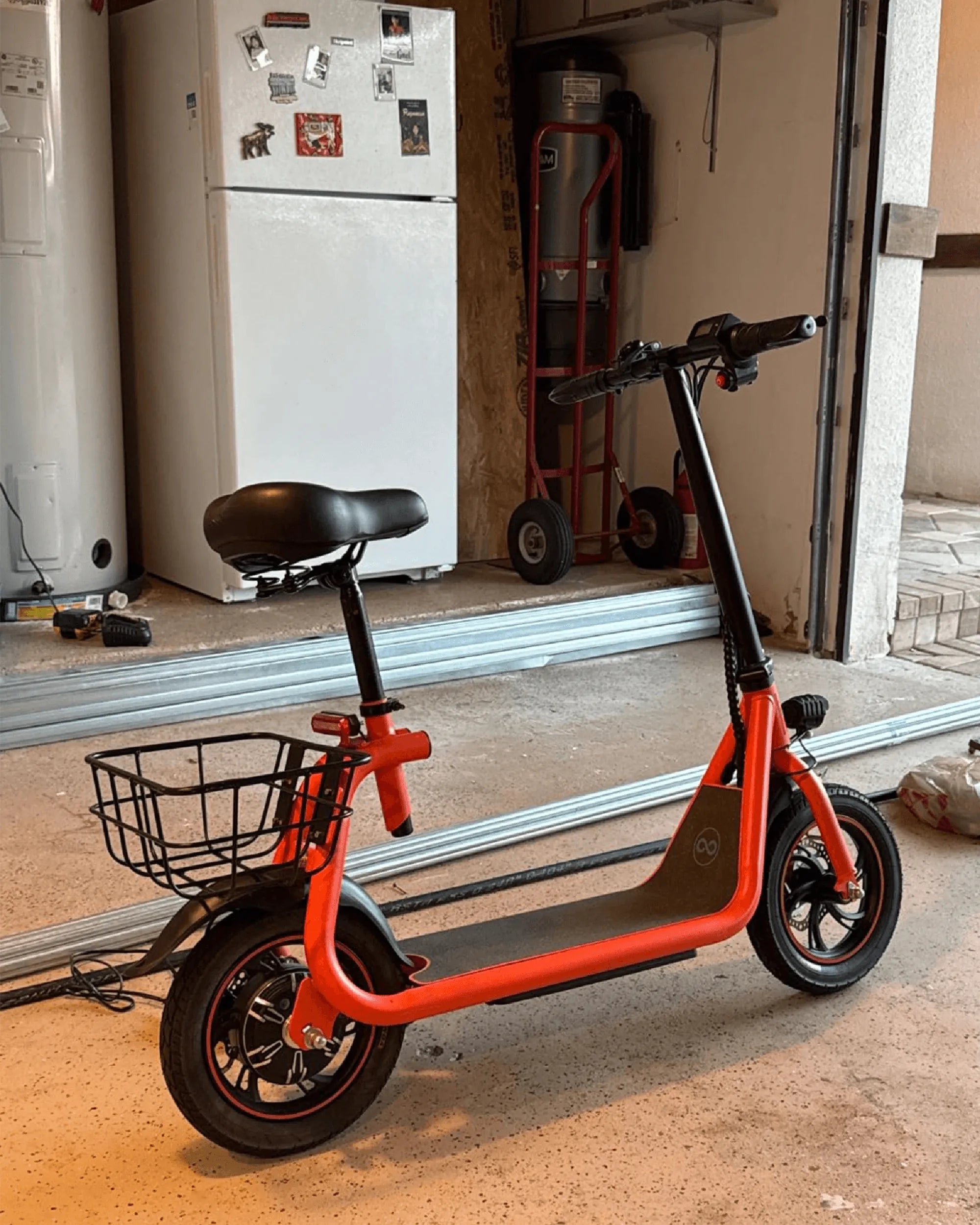
Introduction: The Electric Revolution in Personal Mobility
The global transportation landscape is undergoing a quiet but profound transformation, driven by the rapid ascent of electric kick scooters. This analysis of the electric kick scooters e scooters market reveals a sector in hyper-growth, evolving from a shared rental novelty into a cornerstone of modern urban mobility. We will dissect the market's explosive expansion, the technological and consumer trends fueling it, and the regulatory hurdles it must clear.
Understanding the trajectory of the electric kick scooters e scooters market is essential for city planners, investors, and consumers alike. This article provides a data-driven outlook on where the industry is headed and what it means for the future of how we move. Leading brands like Gyroor, trusted by over 100,000 riders, are at the forefront, innovating with UL-certified safety and robust designs that meet rising consumer demands.
Understanding the Current E-Scooter Market Landscape
The electric kick scooters e scooters market encompasses two primary segments: shared, dockless rental fleets and the rapidly expanding private ownership sector. While shared scooters ignited initial public awareness, the private market is now the primary engine for growth and innovation. Consumers are investing in personal vehicles that offer superior performance, reliability, and customization.
Market valuation data underscores this momentum. According to recent industry reports, the global e-scooter market was valued at over $20 billion in 2023 and is projected to grow at a compound annual growth rate (CAGR) exceeding 15% through 2030. This growth is not uniform; the private ownership segment is outpacing the shared sector, driven by post-pandemic preferences for personal transport and longer-range, more capable models.
Key Market Segments and Consumer Profiles
Three primary user groups define the private electric kick scooters e scooters market. Urban commuters form the largest segment, seeking a reliable, cost-effective solution for the 'last mile' between home, transit hubs, and the workplace. Their priorities are range, portability, and all-weather durability.
Recreational riders represent a significant and growing cohort. They prioritize power, speed, and off-road capability for weekend adventures. Finally, delivery personnel and gig economy workers utilize e-scooters as essential tools of their trade, demanding exceptional battery life, cargo capacity, and near-constant reliability. This diversification pushes manufacturers to develop specialized models for distinct use cases.
Major Trends Powering Market Growth in 2024
The electric kick scooters e scooters market is being reshaped by several powerful, concurrent trends. These are not fleeting fads but fundamental shifts in product development, consumer expectation, and technological integration that are setting new industry standards.
From the demand for premium features to the integration of smart ecosystems, these trends highlight the e-scooter's evolution from a simple gadget into a sophisticated personal transport device. Brands that fail to adapt to these trends risk obsolescence in an increasingly competitive landscape.
Trend 1: The Shift Towards Premium, Private Ownership
The era of the flimsy, short-range scooter is over. Consumers are now willing to invest significantly in high-performance personal electric vehicles. This trend is characterized by a clear demand for extended range, with 30+ miles per charge becoming a benchmark for commuter models. Similarly, top speeds of 20-25 mph are now expected for adult riders seeking to keep pace with urban traffic.
This premium shift also manifests in hardware. Dual suspension systems for a smooth ride over imperfect pavement, wider pneumatic tires for stability, and hydraulic or electronic braking systems for safety are now common in mid-to-high-tier models. For example, brands like Gyroor engineer their commuter scooters with these features, recognizing that the daily rider prioritizes comfort and control as much as efficiency.
Trend 2: Technological Integration and Smart Features
Today's e-scooter is a connected device. Bluetooth integration with dedicated smartphone apps is now a standard expectation, not a luxury. These apps provide riders with detailed metrics like trip distance, speed history, and battery health diagnostics. More importantly, they enable critical functions like anti-theft alarm activation, GPS tracking, and geofencing.
Furthermore, apps allow for performance customization. Riders can switch between eco, standard, and sport modes to balance speed with battery conservation. Over-the-air firmware updates ensure the scooter's software and safety features remain current. This digital layer adds significant value, transforming the scooter from a simple vehicle into a manageable, upgradeable asset.
Trend 3: Enhanced Safety and Durability Standards
As e-scooters become more powerful and widespread, safety is the paramount concern driving product innovation and consumer choice. This has elevated industry certifications from marketing points to essential purchase criteria. The UL 2272 certification for the entire electrical drive train system, including the battery, is non-negotiable for reputable brands, assuring riders of protection from electrical fire hazards.
Similarly, ingress protection (IP) ratings for water and dust resistance are critical. An IPX5 rating or higher, common in Gyroor's lineup, means a scooter can withstand sustained water jets, making it viable for use in rain or after wet road cleaning. This focus on durability and verified safety builds the consumer trust necessary for mainstream, long-term adoption of the electric kick scooters e scooters market.
Challenges and Regulatory Hurdles Facing the Industry
Despite its rapid growth, the electric kick scooters e scooters market faces significant headwinds. The most pressing challenge is the patchwork and often inconsistent regulatory environment across different cities and countries. Rules governing where e-scooters can be ridden (bike lanes vs. roads vs. sidewalks), speed limits, helmet laws, and parking vary wildly, creating confusion for riders and manufacturers.
Public safety concerns, often stemming from incidents involving rental fleets, also pose a threat. Cluttered sidewalks, rider-pedestrian conflicts, and accidents have led some municipalities to impose strict caps or outright bans. The industry's response must be twofold: advocating for sensible regulations that integrate e-scooters into transit ecosystems, and doubling down on rider education and built-in safety features like improved lighting, audible signals, and beginner speed limits.
The Future Outlook: What's Next for E-Scooters?
The future of the electric kick scooters e scooters market points toward greater sophistication, integration, and specialization. The next 3-5 years will see the consolidation of current trends and the emergence of new paradigms that will further solidify e-scooters as a permanent and vital component of urban mobility networks.
Growth will be fueled by continuous technological improvement, particularly in energy storage and urban infrastructure designed to accommodate micro-mobility. The market will mature, with a clearer separation between entry-level, commuter, and performance segments, each catering to specific rider needs with optimized designs.
Innovation Spotlight: Battery Tech and Swappable Systems
The single most impactful area for future innovation is battery technology. Advances in solid-state and lithium-silicon batteries promise higher energy density, leading to longer ranges without increasing weight or charging times. Fast-charging capabilities that can replenish 80% of a battery in under 30 minutes will alleviate range anxiety for heavy users.
Perhaps more transformative is the development of standardized, swappable battery ecosystems. Imagine a network where delivery riders or long-distance commuters can exchange a depleted battery for a fully charged one at a kiosk in seconds, eliminating downtime. This approach, already piloted in some markets, could revolutionize utility for commercial users and increase the effective vehicle lifespan.
The Road to Integration: E-Scooters in the Multi-Modal Transit Mix
The ultimate sign of market maturity will be the formal integration of e-scooters into public transportation systems. Future urban planning will include dedicated micro-mobility lanes, secure parking and charging docks at transit stations, and unified digital payment platforms that allow users to plan and pay for a combined trip involving a train, bus, and e-scooter leg seamlessly.
This multi-modal approach is the key to solving the 'first and last mile' problem comprehensively. Cities that successfully integrate e-scooters will see reduced traffic congestion, lower emissions, and increased public transit ridership. The electric kick scooters e scooters market will transition from a disruptive outsider to an essential, networked partner in urban mobility.
Choosing the Right E-Scooter: A Data-Driven Comparison
For consumers navigating the electric kick scooters e scooters market, the choice depends heavily on primary use case. The table below compares key specifications for three common rider profiles, highlighting how different models are engineered for distinct purposes.
| Feature / Use Case | Urban Commuter | Recreational Explorer | Delivery & Utility |
|---|---|---|---|
| Primary Need | Reliable, daily last-mile transport | Power and fun for varied terrain | Maximum uptime and cargo capacity |
| Ideal Range | 20-30 miles | 25-40+ miles | 35-50+ miles |
| Key Features | Portable, foldable, IPX5+ water resistance, integrated lighting | Dual suspension, off-road tires, high motor power (500W+), robust frame | Long-life battery, reinforced deck & stem, optional cargo attachments |
| Safety Focus | UL certification, reliable brakes, visibility | Advanced braking (hydraulic), wide tires for stability | Durability, dual braking systems, high brightness lights |
Why Brand Trust and Certification Matter: A Buyer's Perspective
In a crowded marketplace, technical specifications only tell part of the story. The true differentiator for a high-ticket, personal transport device is brand trust. This trust is built on verifiable safety certifications, transparent warranty policies, and proven customer support. A UL 2272 certification is the bare minimum for a safe battery system; it should be a non-negotiable filter in any purchase decision.
A comprehensive warranty, such as the 1-year coverage on major components offered by Gyroor, signals a brand's confidence in its product's longevity and its commitment to standing behind it. Before purchasing, research the brand's reputation for customer service and parts availability. Your e-scooter is an investment in your daily mobility; the manufacturer should be a reliable partner for the long term.
Frequently Asked Questions (FAQ)
Q: What is the projected growth rate of the private e-scooter market?
A: While the overall electric kick scooters e scooters market grows at a CAGR of ~15%, the private ownership segment is growing faster, estimated at 18-22% annually. This is driven by consumer demand for premium features, reliability, and the desire for a personal vehicle post-pandemic.
Q: Are UL certification and IP ratings really important for a personal e-scooter?
A: Absolutely. UL 2272 certification rigorously tests the battery and electrical system for fire safety—a critical risk factor. An IP rating (like IPX5) guarantees the scooter can withstand real-world conditions like rain and road spray. These are essential for safe, durable, and worry-free operation, protecting both your investment and your personal safety.
Q: What is the average range and speed of a commuter-grade e-scooter in 2024?
A: For a mid-tier commuter model, a realistic average range is 22-28 miles per charge under real-world conditions (considering rider weight, hills, etc.). Top speeds typically range from 18 to 25 mph, with many models featuring speed modes to comply with local regulations or conserve battery.
Q: How are cities likely to regulate e-scooters in the future?
A: The trend is moving toward clearer, more structured integration. Future regulations will likely mandate lower speed limits in pedestrian zones, require designated parking areas to prevent clutter, and potentially mandate vehicle identification and insurance for higher-power models. The goal is safe coexistence with other road and sidewalk users.
Q: What maintenance does a personal e-scooter require?
A: Regular maintenance is key for safety and longevity. This includes monthly checks of tire pressure and tread wear, testing brake function and pad thickness, ensuring all bolts are tight, and keeping the scooter clean, especially after wet rides. Always follow the manufacturer's specific guidelines for battery care and storage.
Riding into a Smarter, More Connected Urban Future
The journey of the electric kick scooters e scooters market from a niche concept to a global mobility phenomenon is a testament to its fundamental utility. It has successfully addressed a critical gap in urban transportation, offering an efficient, affordable, and enjoyable way to navigate congested cities. The market's future growth hinges on continued technological refinement, sensible regulatory frameworks, and an unwavering commitment to safety from manufacturers.
As battery technology advances and urban infrastructure adapts, e-scooters will become even more seamless and integrated into our daily lives. The brands that will lead this charge are those that build trust through certified safety, durable engineering, and rider-centric innovation. The electric kick scooter is more than a trend; it is a durable component of a cleaner, more agile, and connected urban future.
Ready to join the mobility revolution with a scooter built for performance and peace of mind? Explore a range of UL-certified, durable models designed for every rider. Browse the full Gyroor collection at gyroorboard.com.
Best Electric Scooters for Adults Under $250: Affordable and Reliable Rides
Are Electric Scooters Allowed on Bike Trails? Rules & Safety