



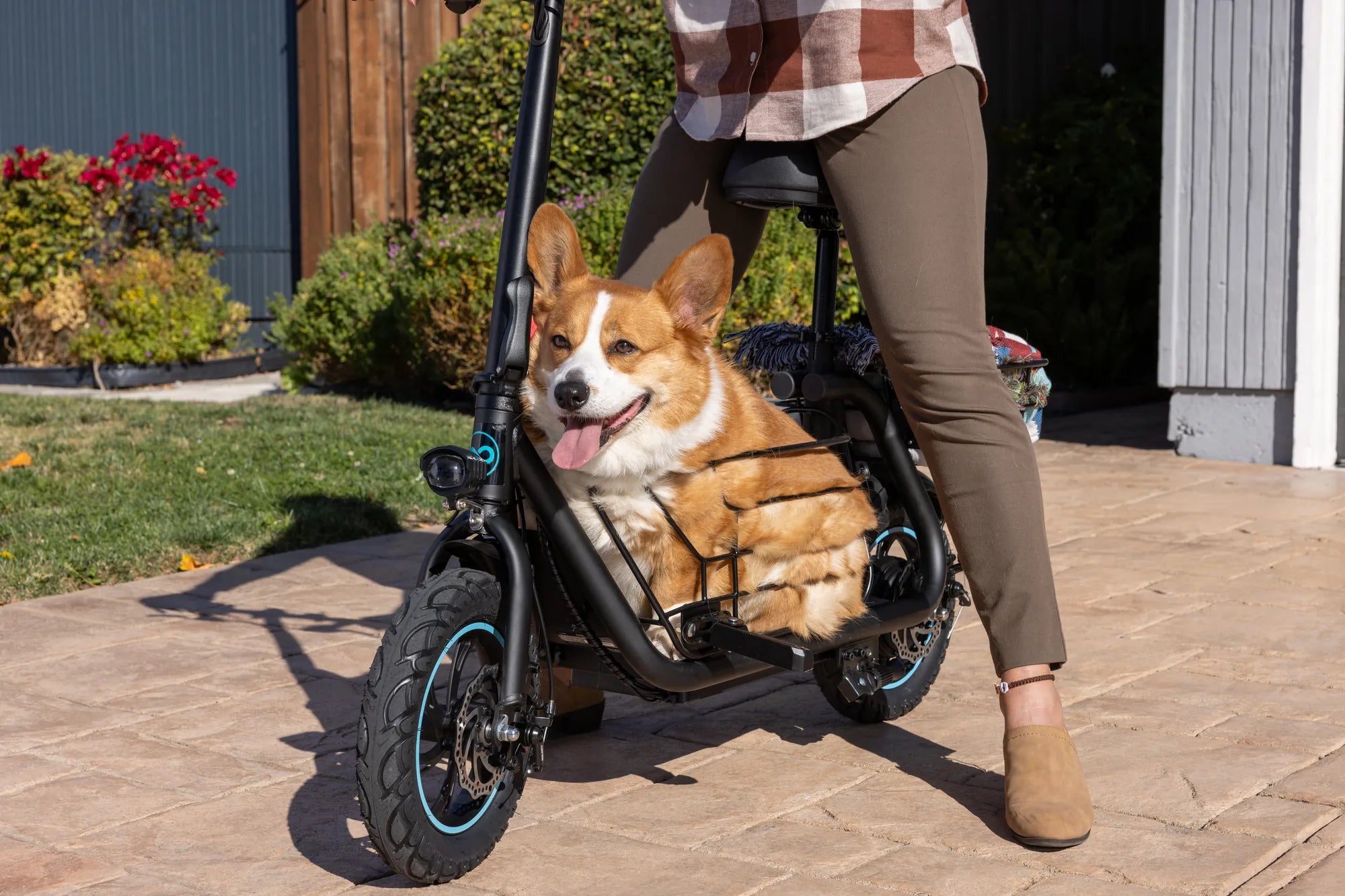
Redefining Urban Mobility with Electric Mobile Scooters
Electric mobile scooters for adults have evolved from recreational toys into a legitimate, game-changing mode of urban transportation. They represent a direct solution to the chronic problems of traffic congestion, rising fuel costs, and the environmental impact of traditional commuting. For the modern adult, an electric scooter is no longer a novelty but a practical tool for reclaiming time, saving money, and reducing one's carbon footprint.
The core appeal lies in its simplicity and efficiency. An electric mobile scooter for adults collapses the last-mile gap between public transit stops and final destinations, bypasses gridlocked traffic, and eliminates the hunt for expensive parking. It offers a unique blend of autonomy and accessibility, requiring no special license in most regions and offering a significantly lower barrier to entry than car ownership.
Leading this shift towards reliable personal electric transport are brands like Gyroor, trusted by over 100,000 riders across North America and Europe. Their focus on UL-certified battery safety, IPX5 water-resistant designs, and robust one-year warranties positions them as a key player for commuters who prioritize reliability alongside performance. This article will serve as the definitive guide to understanding why electric mobile scooters for adults are the ultimate urban commuting solution.
We will examine the economic and environmental data driving adoption, break down the essential features for daily use, and provide practical advice for safe, legal riding. By the end, you will have a comprehensive understanding of how to integrate this powerful mobility tool into your daily life.
Why Adults Are Choosing Electric Scooters for Daily Commutes
The mass adoption of electric scooters by adults is driven by a powerful convergence of practical necessity and personal benefit. The primary motivator is often sheer time savings. In dense urban corridors, the average car speed can drop below 15 mph during rush hour, while an electric scooter can consistently maintain 15-20 mph in dedicated bike lanes, effectively turning a 45-minute crawl into a 20-minute breeze.
Financial savings present an equally compelling case. The operational cost of an electric scooter is a fraction of car ownership or even consistent use of ride-sharing services. Charging a typical 10.4Ah battery costs mere pennies, translating to a cost per mile that is over 95% cheaper than fueling a gasoline-powered vehicle. When combined with eliminated expenses for parking, insurance, and maintenance associated with cars, the total cost of ownership becomes undeniably attractive.
Beyond economics, the convenience factor is paramount. The portability of a foldable electric mobile scooter for adults means it can be carried onto public transit, stored under a desk, or tucked into a closet at home. This solves the perennial urban dilemma of secure parking and makes multi-modal commuting seamless. The ability to park right at your destination door is a luxury rarely afforded to car drivers.
Finally, the commute transforms from a stressful chore into an enjoyable part of the day. Riding an electric scooter provides fresh air, a sense of freedom, and a moderate level of physical engagement that can improve mental well-being. It represents a conscious choice for a more active, connected, and sustainable urban lifestyle, directly addressing the growing desire for work-life balance and environmental stewardship.
The Economic and Environmental Impact
A detailed cost analysis reveals the stark financial advantage of electric scooters. Consider a daily 10-mile round-trip commute. Using a car with an average fuel economy of 25 MPG and gas at $3.50/gallon costs $1.40 per day just in fuel, not including depreciation, insurance, or parking. Public transit might cost $5-10 per day. An electric scooter's daily charging cost is approximately $0.05-$0.15. Over a year, the savings amount to hundreds, if not thousands, of dollars.
Environmentally, the impact is equally significant. Electric scooters produce zero direct tailpipe emissions, immediately improving local air quality in city centers. Their lifecycle carbon footprint, including manufacturing and electricity generation, is substantially lower than that of passenger vehicles. A 2020 study from North Carolina State University found that shared e-scooters, when replacing car trips, can lead to a net reduction in greenhouse gas emissions.
This dual benefit of personal savings and collective environmental good creates a powerful value proposition. For the eco-conscious commuter, choosing an electric mobile scooter for adults is a tangible action that aligns personal finance with planetary health, making it a responsible and rewarding investment.
Key Features to Look for in an Adult Electric Scooter
Selecting the right electric scooter requires moving beyond marketing hype to evaluate specifications that translate to real-world performance. The core features form a checklist that addresses the specific demands of an adult commuting in an urban environment. Prioritizing these elements ensures your investment delivers on its promise of reliable, daily transportation.
First, assess motor power, typically measured in watts. A 350W motor is suitable for flat terrain and lighter riders, while 500W or higher provides the torque needed for moderate hills and faster acceleration with heavier loads. Second, battery capacity, measured in watt-hours (Wh) or amp-hours (Ah), directly determines range. Look for batteries with reputable cell brands (like LG or Samsung) and clear watt-hour ratings for accurate comparisons.
Third, consider the braking system. A combination of electronic (regenerative) braking and a physical disc or drum brake offers redundant safety, essential for sudden stops in traffic. Fourth, tire type matters: solid tires avoid flats but offer a harsher ride, while pneumatic (air-filled) tires provide superior shock absorption on rough pavement. Finally, the scooter's weight and foldability dictate its true portability for carrying onto trains or buses.
Additional features like a clear digital display, multiple speed modes, and integrated lighting (front, rear, and side) are not just conveniences but critical safety and control components. Suspension systems, even if only in the front fork, greatly enhance comfort and stability on uneven city surfaces, reducing rider fatigue on longer commutes.
Safety and Reliability: Non-Negotiables for Daily Use
For a vehicle used daily in mixed traffic, safety is the foremost priority. The foundation of this safety is the battery pack. Insist on a scooter with a UL 2271 or UL 2842 certified battery. This independent certification rigorously tests for electrical, mechanical, and environmental safety, drastically reducing the risk of fire—a non-negotiable for bringing a scooter into your home or office.
Reliable braking is equally critical. A dual-brake system, such as a front disc brake paired with a rear electronic brake, provides maximum stopping power and redundancy. Bright, always-on lighting is a must for visibility; look for scooters with headlights exceeding 100 lumens, taillights with brake light functionality, and deck or wheel LED lights for side visibility.
Build quality dictates long-term reliability. A frame constructed from aerospace-grade aluminum alloy offers a strong, lightweight base. Water resistance is paramount for all-weather commuting. An IPX5 rating, like those standard on Gyroor models, means the scooter can withstand water jets from any direction, allowing you to confidently ride on wet roads or through puddles without fear of electrical damage.
Performance Specs That Matter: Range, Speed, and Terrain
Manufacturer range claims are often based on ideal laboratory conditions. Real-world range is affected by rider weight, hills, temperature, and riding style (frequent acceleration). A good rule of thumb is to derate the claimed range by 25-40%. If a scooter advertises a 25-mile range, expect 15-19 miles in typical urban use. Choose a model with a range that exceeds your daily need by at least 30% to account for battery degradation over time and unexpected detours.
Speed must be balanced with legality and control. Most urban areas restrict e-scooters to 15-20 mph. A scooter with a top speed of 20-25 mph provides a comfortable buffer and power for brief bursts to merge with traffic. Multiple speed modes allow you to limit top speed for safer riding in crowded areas or conserve battery.
Terrain handling is defined by motor power, tire size, and suspension. For cities with hills, a minimum 500W motor is recommended. Larger pneumatic tires (9-10 inches) and front suspension smooth out cracks, cobblestones, and minor potholes, providing a stable and comfortable ride that encourages daily use rather than enduring a jarring experience.
Gyroor's Commuter-Focused Engineering: Built for the Real World
Gyroor's product philosophy centers on building electric scooters that are not just powerful, but profoundly dependable for the daily grind. This translates into engineering choices that directly solve urban commuter pain points. From the selection of every component to the final quality assurance check, the focus is on creating a vehicle that riders can trust without a second thought, mile after mile.
This commitment is evident in their standard inclusion of IPX5 water resistance across key models, a feature often reserved for premium tiers in other brands. It’s also visible in the robust folding mechanisms designed for hundreds of cycles without wobble, and in the use of high-tensile aluminum frames that resist the stresses of urban roads. The result is a scooter that feels solid and planted, inspiring confidence in diverse riding conditions.
Beyond hardware, Gyroor supports this reliability with a clear, comprehensive one-year warranty that covers the battery, motor, controller, and frame. This warranty, backed by a customer base of over 100,000 riders and a 4.5/5 average rating, underscores a brand promise centered on long-term satisfaction and safety, making the choice of an electric mobile scooter for adults a secure one.
The UL-Certified Battery Advantage: Peace of Mind on Every Ride
The UL certification on Gyroor battery packs is arguably their most critical safety feature. This certification involves a battery passing a series of strenuous tests including overcharge, short circuit, crush, drop, and immersion tests. It verifies that the battery management system (BMS) properly controls charging, temperature, and output to prevent dangerous failures.
For the rider, this means the battery powering their commute has been validated by a globally recognized independent safety organization. It allows for safe charging indoors—at home or under a desk—without concern. In an industry where battery safety is the top concern, this certification is not an optional extra but a fundamental requirement for any scooter intended for serious adult use, providing indispensable peace of mind.
From Rainy Streets to Rough Pavement: The IPX5 and Durability Promise
An IPX5 rating is a specific, meaningful standard. It certifies that a scooter's electrical components are protected against low-pressure water jets (6.3mm nozzle) from any direction. In practical terms, this means riding through rain, wet streets, or accidentally hitting a deep puddle will not compromise the scooter's electronics. This level of protection is essential for a true all-weather commuter vehicle.
Durability extends beyond water resistance. It encompasses the scooter's ability to withstand the vibrations and impacts of daily urban use. Gyroor achieves this through reinforced stem joints, thick deck plating, and quality welding. Coupled with the one-year warranty, this durability promise ensures that the scooter is a durable asset, not a disposable gadget, capable of delivering thousands of miles of reliable service as the ultimate urban commuting solution.
Electric Scooter vs. Other Micro-Mobility Options
Choosing the right micro-mobility device depends on individual needs, route, and lifestyle. Electric scooters occupy a unique sweet spot between portability, performance, and ease of use. Here’s how they compare to other popular options to help you make an informed decision.
Electric scooters generally offer the best balance of foldability and performance. They are more compact and lighter than most e-bikes when folded, making them easier to carry and store. While e-bikes offer greater range and cargo capacity, they come at a significantly higher price point and require more secure parking. Electric scooters provide a more accessible and agile solution for mixed-mode commuting.
Compared to electric skateboards, scooters provide a much lower learning curve and superior stability, especially at higher speeds and over uneven surfaces. The upright riding position on a scooter offers better visibility in traffic and is more intuitive for most adults. Skateboards excel in portability but often lack water resistance and robust braking systems, making them less ideal as primary all-weather commuters.
| Feature | Electric Scooter | E-Bike | Electric Skateboard | Public Transit |
|---|---|---|---|---|
| Avg. Weight (lbs) | 30-45 | 50-70 | 15-25 | N/A |
| Foldability/Portability | Excellent | Poor (unless folding model) | Excellent | N/A |
| Typical Range (miles) | 15-40 | 20-60 | 10-20 | Route Dependent |
| Learning Curve | Low | Low | Moderate to High | None |
| Weather Resistance | Good (with IPX5+) | Good | Poor | N/A |
| Cost (Upfront) | $$ | $$$ | $$ | $ (per trip) |
| Primary Advantage | Balanced portability & performance | Range & cargo | Ultimate portability | No maintenance |
Navigating Regulations and Riding Safely in the City
Responsible ownership of an electric mobile scooter for adults requires understanding and adhering to local laws, which are evolving rapidly. Generally, regulations classify e-scooters similarly to bicycles. Common rules include a minimum rider age (often 16+), a speed limit (typically 15-20 mph on bike lanes/paths), and a prohibition against riding on sidewalks in business districts. Helmets are strongly recommended and are legally required for all riders in many jurisdictions.
Knowing where you can ride is crucial. Use bike lanes wherever available. If no bike lane exists, ride on the road, following the flow of traffic, not against it. Avoid sidewalks to ensure pedestrian safety. Many cities now have detailed online resources outlining specific e-scooter laws; a quick check with your local Department of Transportation can provide clarity.
Safe riding practices are your personal responsibility. Always perform a pre-ride check: inspect tire pressure, test brakes, and ensure lights are functional. Wear a helmet—it is the single most effective safety device. Use hand signals for turns and stops to communicate with drivers and cyclists. Assume you are not always visible; ride defensively and avoid the blind spots of cars and trucks.
Secure parking is part of safe operation. Use a sturdy lock to secure your scooter through the frame to a fixed object. When folding and carrying, be mindful of your surroundings to avoid bumping others. By following these guidelines, you not only protect yourself but also contribute to the positive perception and sustainable integration of electric scooters in the urban landscape.
Frequently Asked Questions (FAQs) About Adult Electric Scooters
Q: How far can I really go on a single charge?
A: Real-world range is typically 25-40% less than the manufacturer's ideal test conditions. Factors like rider weight, hills, acceleration habits, wind, and temperature all affect range. For accurate planning, take the advertised range and multiply by 0.6 to 0.75. For a 25-mile claim, plan for a reliable 15-19 miles. Choosing a scooter with a battery larger than your minimum daily need is wise.
Q: Are electric scooters allowed on sidewalks and bike paths?
A: Laws vary by city and state. Most municipalities prohibit riding on sidewalks in commercial areas to protect pedestrians. Riding in bike lanes is almost universally permitted and encouraged. On shared-use paths (e.g., parks), local rules apply, but they are often allowed at reduced speeds. Always check your local regulations, as riding on prohibited sidewalks can result in fines.
Q: What maintenance does an electric scooter require?
A> Maintenance is minimal but essential. Regular tasks include checking and inflating pneumatic tires to the recommended PSI, testing brake function and adjusting cable tension if needed, and wiping down the scooter to prevent dirt buildup. Periodically, check for loose bolts, especially on the folding mechanism and stem. Keep the battery charged between 30-80% for long-term health if not in use for extended periods.
Q: Is the 1-year warranty from Gyroor comprehensive?
A: Yes, Gyroor's standard one-year warranty is a comprehensive coverage plan for the original purchaser. It specifically covers defects in materials and workmanship for major components including the battery pack, motor, controller, and frame. This warranty is a testament to their confidence in build quality and provides significant protection for your investment. Always register your product and retain your proof of purchase.
Q: Can I ride an electric scooter in the rain?
A: With an IPX5 water-resistant rating like those found on Gyroor models, riding in light to moderate rain and on wet roads is safe for the scooter's electronics. However, rider safety is paramount. Wet conditions reduce tire traction and braking efficiency. Ride at a reduced speed, avoid sharp turns, brake earlier and more gently, and wear appropriate rain gear. Avoid riding through deep standing water.
Your Ticket to a Smarter, Greener Commute
The evidence is conclusive: electric mobile scooters for adults are a transformative force in urban mobility. They offer a compelling answer to the trifecta of modern commuting woes—time, cost, and environmental impact. By providing a fast, affordable, and zero-emission alternative, they empower individuals to take control of their daily travel in a way that is both practical and enjoyable.
The journey to a reliable commute hinges on choosing a scooter built to last, with unwavering attention to safety standards like UL certification and practical durability features like IPX5 water resistance. This is where the engineering philosophy of brands like Gyroor proves its value, offering riders not just a product, but a dependable transportation partner backed by strong warranty support.
Adopting an electric scooter is more than a purchase; it's a step towards a more efficient and sustainable lifestyle. It reduces traffic congestion, lowers your personal carbon footprint, and reintroduces a sense of freedom and enjoyment to the daily journey. As cities continue to evolve and embrace micro-mobility, the electric scooter stands ready as the ultimate urban commuting solution for the forward-thinking adult.
Ready to transform your commute? Explore a range of high-performance, safety-focused models engineered for the real world. Browse the full Gyroor collection at gyroorboard.com and find the perfect electric scooter to start your smarter commute today.
Recreational Scooters Electric: The Future of Fun and Eco-Friendly Commuting
Are You Allowed to Use Electric Scooters on the Road? The Ultimate Guide to Legal Riding