



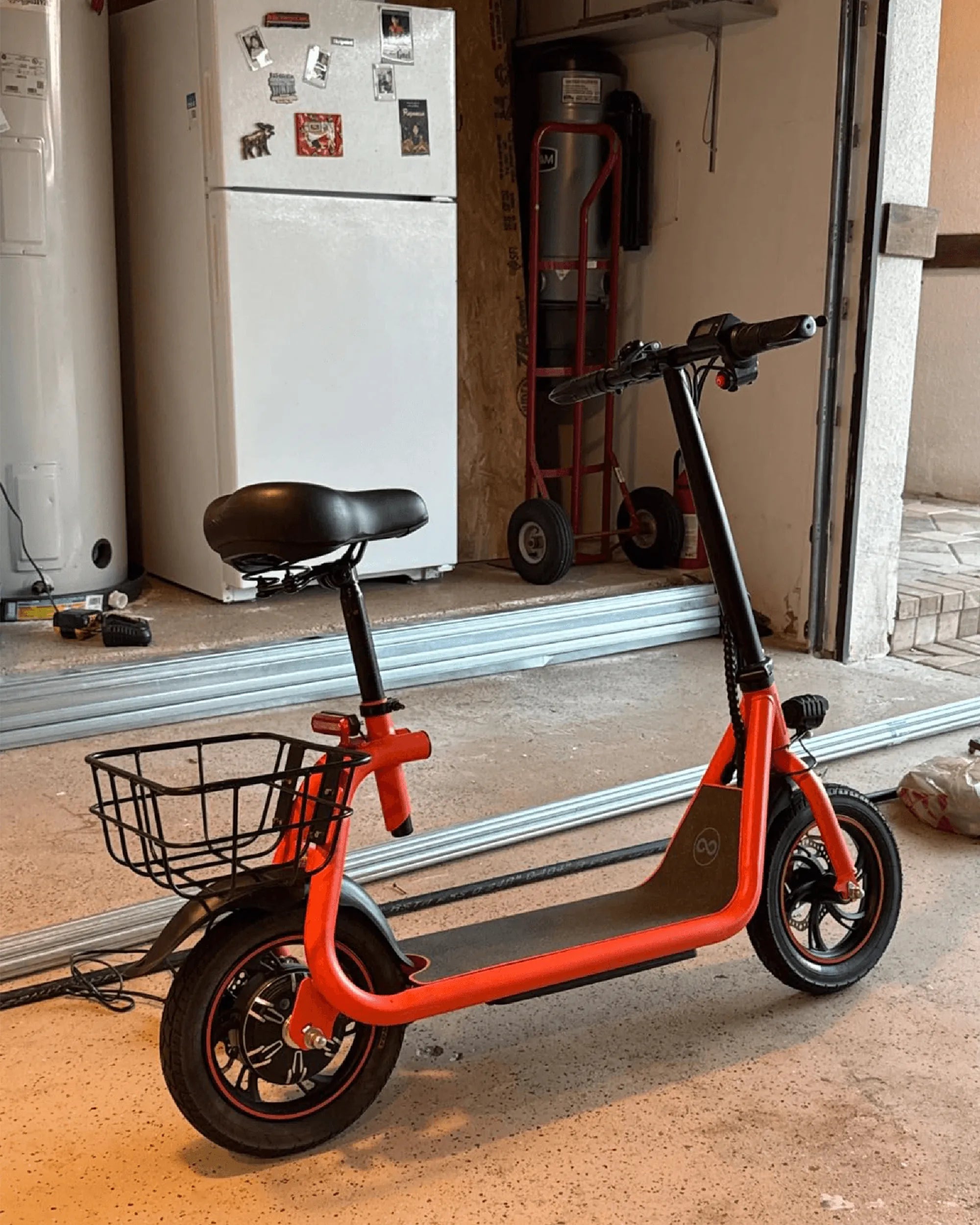
Introduction: The Rise of the Electric Motor Scooter
Urban centers worldwide are choking on congestion, with the average commuter losing dozens of hours each year stuck in traffic. The search for a nimble, cost-effective, and sustainable personal transport solution has led to the explosive growth of a single category: electric motor scooters. These compact, electric-powered vehicles are no longer just toys; they are serious tools redefining the daily commute and positioning themselves as a cornerstone of the future of urban mobility. By combining zero-tailpipe emissions with unparalleled point-to-point efficiency, e-scooters offer a practical answer to the 'last-mile' dilemma that plagues public transit systems. Leading this shift are brands like Gyroor, trusted by over 100,000 riders across North America and Europe, who prioritize certified safety and reliable performance. This article will dissect why electric motor scooters are dominating city streets, what features matter most, and how to integrate them safely and effectively into your urban life.
Why Electric Scooters Are Dominating City Streets
The adoption of electric scooters isn't a passing trend; it's a rational response to the inefficiencies of traditional urban transport. Their rise is fueled by a combination of tangible economic benefits, sheer convenience, and a strong alignment with sustainability goals, making them a compelling choice for millions.
Efficiency and Cost-Effectiveness
When compared to car ownership or even consistent use of ride-sharing services, the economics of an electric scooter are overwhelmingly favorable. The cost-per-mile is a fraction of other modes. For example, charging a typical scooter with a 500Wh battery to travel 20 miles costs less than $0.20 in electricity—often less than a cup of coffee. There are no gas stations, insurance premiums, or expensive parking fees. Maintenance is minimal, involving no oil changes, transmission fluids, or complex engine repairs. With fewer moving parts than a car or even a bicycle, upkeep primarily involves checking tire pressure and ensuring bolts are tight, leading to significantly lower long-term ownership costs.
Unparalleled Convenience for the "Last Mile"
The "last-mile problem" refers to the inefficient final leg of a commute between a public transit hub and one's home or office. Electric motor scooters solve this perfectly. They are lightweight and portable, often featuring a folding mechanism that allows them to be carried onto a bus, train, or into an office. This seamless integration turns a 15-minute walk into a 4-minute glide, reclaiming precious time daily. Furthermore, parking is virtually free and instantaneous, eliminating the stress of circling blocks for a spot. In dense, gridlocked traffic, a scooter can often navigate and arrive faster than a car, making them a powerful tool for predictable, medium-distance urban trips.
The Sustainability Credential
Beyond personal convenience, electric scooters offer a clear environmental advantage. They produce zero direct emissions at the point of use, immediately improving local air quality and reducing urban noise pollution. While their manufacturing and electricity generation have a carbon footprint, lifecycle analyses consistently show it is dramatically lower than that of private automobiles. A 2020 study from the North Carolina State University Transportation Research Group found that shared e-scooters, when replacing car trips, can lead to a net reduction in greenhouse gas emissions. For the individual commuter, choosing an e-scooter for daily trips is one of the most impactful personal decisions to reduce their carbon footprint in the city.
Key Features Defining a Modern Electric Scooter
Not all electric scooters are created equal. Understanding the core components and specifications is essential to choosing a model that is safe, durable, and suited to your needs. Reputable brands like Gyroor build their products around these key pillars of performance and reliability.
Battery Technology and Range: The Heart of the Ride
The battery is the most critical component, dictating range, longevity, and safety. Modern scooters use lithium-ion cells, but the quality and certification of the battery pack are paramount. UL-certification, a standard met by all Gyroor battery packs, indicates rigorous testing for electrical and fire safety—a non-negotiable for peace of mind, especially when charging at home. Advertised range (e.g., 25 miles) is a maximum under ideal conditions; real-world range is typically 70-80% of that, affected by rider weight, hills, speed, and temperature. For a reliable commute, experts recommend choosing a scooter with a maximum range at least 25% greater than your longest regular trip.
Durability and Weather Resistance
Urban environments are tough, requiring a scooter built to handle potholes, curbs, and variable weather. Frame construction from aircraft-grade aluminum provides a sturdy yet lightweight base. The Ingress Protection (IP) rating indicates resilience against dust and water. An IPX5 rating, like that on Gyroor models, means the scooter can withstand water jets from any direction, making it perfectly suitable for riding in light rain and on wet roads. Tire choice also affects durability: pneumatic (air-filled) tires offer better shock absorption and comfort, while solid tires eliminate the risk of flats but provide a harsher ride.
Performance Metrics: Speed, Power, and Hill Climb
Performance isn't just about top speed; it's about having adequate power for your terrain. Motor power, measured in watts (W), determines acceleration and hill-climbing ability. A 350W motor is sufficient for flat city streets, while 500W or more is recommended for areas with moderate hills. Top speed is often electronically limited to comply with local regulations, commonly capping at 15-20 mph. Torque is the key metric for hill climb; a scooter with high torque will maintain speed on an incline without straining the motor. Understanding these metrics ensures you select a scooter that feels responsive and capable on your specific routes.
Electric Scooters vs. Alternatives: A Practical Comparison
Choosing the right personal electric vehicle depends on your specific commute, lifestyle, and local infrastructure. Here’s a data-driven look at how electric motor scooters stack up against other popular options.
E-Scooter vs. E-Bike: Choosing Your Electric Steed
Both are excellent eco-friendly choices, but they serve slightly different purposes. Electric scooters excel in ultra-portability and agility. They are typically lighter, more compact when folded, and easier to carry onto public transport or into buildings. They are ideal for shorter, multi-modal commutes (under 10 miles) where storage space is limited. E-bikes, conversely, offer a more traditional cycling posture, greater comfort for longer distances, and often have cargo-carrying capabilities. They are better suited for longer commutes, recreational rides, or replacing car trips for grocery runs. Regulations also differ; e-scooters may have restrictions on where they can be ridden that don't apply to e-bikes in bike lanes.
E-Scooter vs. Car/Public Transport: The Urban Commute Showdown
For a typical 5-mile urban commute, the differences in time, cost, and stress are stark. The following table breaks down the comparison:
| Transport Mode | Avg. Time (5 mi) | Avg. Cost (Trip) | Stress Level | Carbon Impact |
|---|---|---|---|---|
| Personal Car | 25-40 min | $3-5 (fuel, deprec.) | High (traffic, parking) | High (~2.2 kg CO2) |
| Ride-Share/Taxi | 20-35 min | $12-20 | Medium | High |
| Public Transit | 35-50 min | $2.5-5 | Medium-High (waiting, transfers) | Low |
| Electric Scooter | 15-20 min | ~$0.05 (electricity) | Low (direct route) | Very Low |
As shown, the electric scooter offers the best combination of speed, low cost, and low environmental impact for predictable urban trips, effectively bridging the gap between the expense of a car and the slowness of some public transit options.
Navigating Safety, Regulations, and Best Practices
Responsible ownership is key to the long-term success and public acceptance of electric scooters. This involves understanding the legal landscape, prioritizing safety gear, and knowing how to maintain your vehicle.
Understanding Local Laws and Where to Ride
Regulations for electric motor scooters vary dramatically by city, state, and country. Rules commonly address maximum speed, minimum rider age, helmet requirements, and where you can legally ride—sidewalks, bike lanes, or roads. Some cities require registration. It is the rider’s absolute responsibility to check with their local Department of Transportation or city council website before riding. As a general rule, riding in bike lanes (where permitted) is safer than on sidewalks (where you risk colliding with pedestrians) or in car traffic.
Essential Safety Gear and Riding Etiquette
A helmet is non-negotiable and is the single most effective piece of safety equipment. A certified bicycle or multi-impact helmet should be worn on every ride. Additionally, consider high-visibility clothing or reflective elements, especially for night riding. Ensure your scooter has bright front and rear lights. Riding etiquette is crucial for coexistence: always yield to pedestrians, use a bell or verbal signal when passing, avoid sudden maneuvers, do not ride under the influence, and park responsibly—never block sidewalks, ramps, or building entrances.
The Importance of Warranty and Support
A strong warranty is a direct reflection of a manufacturer's confidence in their product. A comprehensive 1-year warranty, like Gyroor's, which covers the motor, battery, and frame, protects your investment from manufacturing defects. Equally important is accessible customer support. A brand that offers clear troubleshooting guides and responsive, US-based support can save immense time and frustration compared to brands with only overseas service channels. This support structure is a critical, often overlooked, component of the ownership experience.
Maximizing Your Scooter's Lifespan: Maintenance and Care
Proper care ensures your scooter remains reliable and safe for years. Unlike cars, maintenance is simple but essential. Start with the battery: avoid fully depleting it regularly. Try to keep the charge between 20% and 80% for daily use, and store it in a cool, dry place if not used for extended periods. Regularly check tire pressure if you have pneumatic tires; under-inflation reduces range and increases wear. Every few weeks, inspect and tighten key bolts and fasteners, as vibrations can loosen them. Keep the scooter clean by wiping it down with a damp cloth, avoiding direct water jets on the deck or display. Finally, listen to your scooter; unfamiliar noises or changes in performance are cues to stop riding and inspect.
The Broader Impact: Scooters and Smarter City Design
The proliferation of electric motor scooters is forcing cities to rethink urban planning. They are a key piece of the "micromobility" puzzle, which aims to reduce reliance on single-occupancy vehicles. Forward-thinking cities are responding by expanding and protecting bike lane networks, creating dedicated scooter parking corrals, and integrating micromobility into broader transit plans. This shift promises more equitable, efficient, and livable urban spaces with less pollution and noise. The electric scooter is not just a product; it's a catalyst for a more sustainable urban transportation ecosystem, demonstrating that the future of urban mobility can be personal, electric, and incredibly efficient.
Conclusion: Your Ticket to a Smarter Commute
The evidence is clear: electric motor scooters offer a pragmatic, enjoyable, and sustainable solution to the daily challenges of city life. They slash commute times, eliminate fuel costs, and contribute to cleaner air. However, this promise is only fully realized when riders choose reputable products built with safety as a core principle, like those from Gyroor with their UL-certified batteries and IPX5 water resistance. By understanding the features, respecting local laws, and riding responsibly, you can unlock a new level of freedom in your city. The future of urban mobility is electric, agile, and personal—and it's waiting for you to hop on.
Frequently Asked Questions (FAQ)
Are electric motor scooters legal in my city?
Laws are hyper-local and change frequently. You must check your specific city's municipal code or website for the Department of Transportation. Regulations cover where you can ride (sidewalk, bike lane, road), speed limits, helmet requirements, and age restrictions.
How far can I really go on a single charge?
Real-world range is typically 70-80% of the manufacturer's maximum advertised range, which is tested under ideal conditions. Your actual range depends heavily on rider weight, terrain (hills), speed, and temperature. For a reliable daily commute, choose a scooter whose maximum range is at least 25% greater than your longest regular trip.
Is the Gyroor UL-certified battery important?
Absolutely. UL certification means the battery pack has passed independent, rigorous safety tests for electrical, fire, and mechanical hazards. This is a critical safety benchmark, especially for a device you charge in your home, and is a key differentiator for reputable brands versus uncertified, potentially unsafe alternatives.
Can I ride an electric scooter in the rain?
Scooters with an IPX5 water resistance rating, like Gyroor models, are designed to withstand water jets from any direction. This makes them safe for riding in light rain and on wet roads. However, you should avoid riding through deep puddles (which can submerge critical components) or in torrential downpours. Always dry your scooter after riding in wet conditions.
What maintenance does an electric scooter require?
Maintenance is minimal but important: regularly check and inflate pneumatic tires to the correct PSI, ensure all bolts and folding mechanisms are tight, keep the scooter clean and dry, and follow proper battery care (avoid full discharges, store in moderate temperatures). Periodically inspect the brakes for wear.
Ready to experience the future of urban mobility? Explore Gyroor's full range of UL-certified, high-performance electric scooters and find the perfect model for your commute. Browse the full Gyroor collection at gyroorboard.com.
Battery-Powered Electric Scooters: The Future of Urban Mobility
Electric Road Scooters: The Future of Urban Mobility