



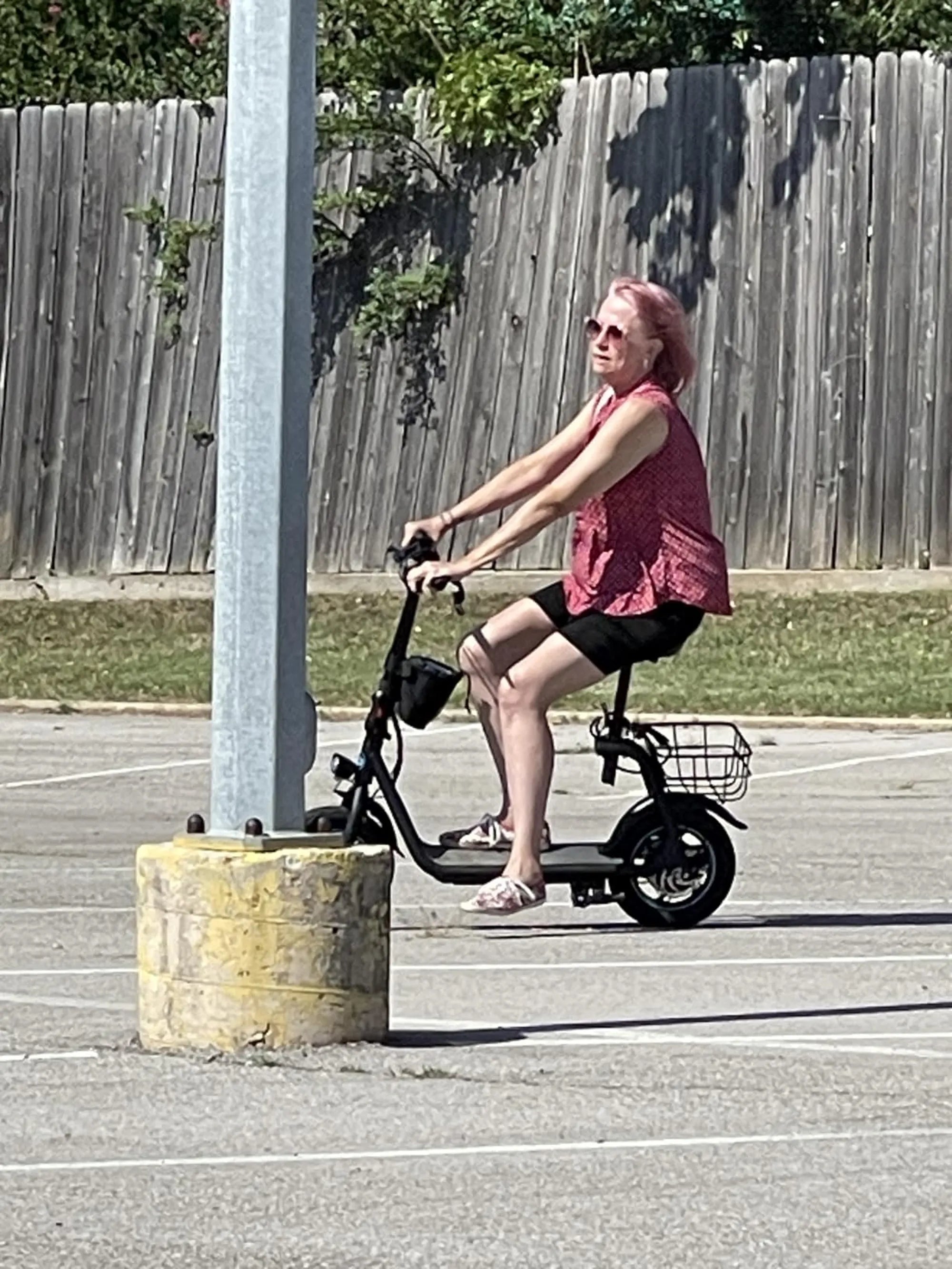
The Rise of the Electric Motorcycle Scooter
Urban mobility is undergoing a silent revolution, and at its forefront are electric motorcycle scooters for adults. These vehicles are not the toy-like scooters of the past; they are robust, technologically advanced machines designed for the daily commute. Blending the nimble form factor of a scooter with the power and presence of a motorcycle, they represent a pragmatic evolution in personal transportation.
The shift from novelty to necessity is driven by tangible urban challenges: crippling traffic congestion, soaring fuel costs, and a growing environmental consciousness. For the adult commuter, the electric motorcycle scooter offers a direct solution. It transforms a stressful, expensive, and time-consuming commute into an efficient, cost-effective, and surprisingly enjoyable journey.
This article will dissect the compelling case for electric motorcycle scooters as the future of urban commuting. We will analyze their economic and performance advantages, detail the critical features to consider, and explore the innovations shaping their future. You will gain a data-driven understanding of how this vehicle class is redefining city travel for adults worldwide.
Why Adults are Choosing Electric Motorcycle Scooters Over Traditional Options
The adoption of electric motorcycle scooters by adults is a calculated decision, not a passing trend. Riders are trading in their car keys and bus passes for a more direct, personal, and intelligent commuting tool. The decision matrix weighs heavily on three core pillars: financial logic, uncompromised performance, and environmental responsibility.
This choice represents a lifestyle shift towards efficiency and autonomy. Unlike a car stuck in gridlock or a bus bound to a fixed route, an electric scooter provides door-to-door agility. It empowers the rider with control over their schedule and route, turning lost time into productive or enjoyable travel time.
Unbeatable Cost Efficiency & Low Maintenance
The total cost of ownership presents the most straightforward argument. Compared to a gas-powered motorcycle or car, the savings are substantial. The primary expense is electricity, which costs a fraction of gasoline. Charging a typical 1.5 kWh battery to cover 40 miles costs less than 50 cents in most regions.
Maintenance is equally simplified. Electric drivetrains have far fewer moving parts than internal combustion engines. There are no oil changes, spark plugs, air filters, or complex transmission systems to service. Routine maintenance revolves around tire pressure, brake pads, and ensuring electrical connections are secure.
Additional savings accrue from reduced insurance premiums, often lower registration fees, and the elimination of costs associated with parking in dense urban centers. Some municipalities and employers also offer incentives, such as tax credits, rebates, or subsidized charging, for using electric vehicles.
Performance Meets Practicality
Modern electric motorcycle scooters deliver performance that rivals, and in some aspects surpasses, their gas-powered counterparts. The defining characteristic is instant torque from a standstill. A 2000W electric motor provides immediate acceleration, allowing riders to merge safely into traffic and navigate city intersections with confidence.
This performance is coupled with remarkable practicality. Most models feature a "twist-and-go" operation with no clutch or gear shifting, making them accessible to new riders. Their compact size enables filtering through stationary traffic (where legal) and easy parking in spaces a bicycle would struggle to fit.
Hill-climbing ability is a key metric. A scooter with a robust motor (e.g., 1000W or higher) and sufficient battery voltage can handle steep urban grades without straining, a common weakness of underpowered, entry-level models. This ensures the commute is consistent and reliable, regardless of the route's topography.
The Eco-Conscious Commute Without Compromise
For a growing segment of adults, the environmental impact of their daily choices is a primary concern. Electric motorcycle scooters offer a way to significantly reduce one's carbon footprint without sacrificing convenience or fun. They produce zero tailpipe emissions, directly improving local air quality in densely populated cities.
Beyond emissions, they contribute to noise pollution reduction. The near-silent operation of a quality electric scooter lessens the acoustic footprint of urban traffic, creating quieter, more pleasant neighborhoods. This environmental benefit extends to the broader energy ecosystem, especially when charged via renewable sources.
Choosing an electric scooter is a statement of pragmatic environmentalism. It demonstrates that sustainable living does not require a step backward in technology or capability, but rather an intelligent step forward into more efficient and cleaner engineering solutions.
Key Features to Look for in an Adult Electric Motorcycle Scooter
Selecting the right electric motorcycle scooter requires moving beyond marketing claims to examine the specifications that dictate real-world performance, safety, and longevity. A savvy buyer focuses on the core components that define the riding experience and total cost of ownership.
Understanding these features allows for an apples-to-apples comparison between models. It ensures your investment aligns with your specific commuting needs, whether that's a short 5-mile flat journey or a longer 25-mile route with significant hills. The right combination of specs creates a reliable, safe, and enjoyable daily rider.
Battery & Range: The Heart of Your Ride
The battery is the most critical and expensive component. Look for lithium-ion (Li-ion) chemistry, specifically cells from reputable manufacturers. The battery's capacity, measured in watt-hours (Wh) or ampere-hours (Ah) at a given voltage (e.g., 48V, 52V), determines your range.
Advertised range is often an ideal-world figure. Real-world range is affected by rider weight, terrain, wind, temperature, and riding style (frequent acceleration reduces range). A good rule is to assume a 20-30% reduction from the manufacturer's claim. For a reliable commute, choose a scooter whose real-world range exceeds your round-trip distance by at least 20%.
Safety is paramount. Insist on a scooter with a UL-certified battery pack. This independent certification guarantees the battery has passed rigorous tests for electrical, mechanical, and fire safety. Brands like Gyroor use UL-certified batteries, which are engineered for over 500 charge cycles while maintaining safety—a non-negotiable feature for peace of mind.
Motor Power & Speed: Matching Your Commute
Motor power, measured in watts (W), dictates acceleration, hill-climbing ability, and top speed. For adult commuters navigating city streets, a motor between 500W and 1000W is sufficient for flat to moderately hilly terrain. For those needing faster acceleration, higher top speeds (over 30 mph), or consistent power on steep hills, a 1500W to 2000W+ motor is recommended.
Most electric scooters use hub motors (built into the wheel), prized for their simplicity and direct drive. Some higher-end models may employ dual-motor setups (one in each wheel) for exceptional traction and power. Consider your local laws: many regions have speed limits for electric scooters (e.g., 20-28 mph), so ensure your chosen model can be configured to comply.
The relationship between motor power, battery capacity, and vehicle weight is crucial. A powerful motor paired with a small battery will drain quickly. A scooter's performance is a holistic system, not just a single high-wattage number.
Build Quality & Safety Certifications
Durability is defined by frame material and construction. Aluminum alloy frames offer an excellent strength-to-weight ratio. Welds should be clean and consistent. The suspension system—typically spring or hydraulic—is vital for comfort and control on imperfect city roads.
Braking systems are a critical safety feature. Look for a combination of disc brakes (front and/or rear) and regenerative braking. Disc brakes provide strong, consistent stopping power in all weather, while regenerative braking helps recapture energy during deceleration, slightly extending range.
Weather resistance is key for a daily commuter. An IPX5 water-resistance rating means the scooter can withstand water jets from any direction, making it safe to ride in rain or on wet roads. Comprehensive lighting (bright headlight, brake light, turn signals, and reflectors) is essential for visibility. Finally, a robust manufacturer's warranty (1 year is standard for reputable brands) protects your investment against defects.
Gyroor's Approach: Engineering Trust for the Modern Commuter
In a market filled with options, Gyroor has established itself as a leader by directly addressing the core concerns of adult commuters: safety, reliability, and value. With over 100,000 riders across North America and Europe, their approach is built on engineering transparency and rider-centric design.
The foundation of this trust is battery safety. Every Gyroor model incorporates UL-certified lithium-ion battery packs. This commitment goes beyond marketing; it's an engineering standard that ensures each battery undergoes stringent testing for thermal stability, short-circuit protection, and longevity, supporting over 500 full charge cycles.
Recognizing that commuters face all weather conditions, Gyroor designs its electric scooters with an IPX5 water-resistant rating. This practical feature means a sudden rain shower or wet city streets don't end the commute. It reflects an understanding of real-world use, where reliability is as important as performance.
This engineering philosophy culminates in a reliable 1-year warranty and accessible customer support. For the adult rider, this translates to peace of mind. The investment is protected, and the focus can remain on the ride itself—a smarter, cleaner, and more enjoyable journey through the urban landscape.
Comparing Your Urban Commute Options
To visualize the value proposition of electric motorcycle scooters for adults, a direct comparison with other common urban transport modes is revealing. The table below breaks down key metrics across different vehicle types for a typical 10-mile round-trip urban commute.
| Commute Mode | Avg. Trip Time (City) | Est. Cost per 10 Miles | Parking Ease | Environmental Impact | Maintenance Burden |
|---|---|---|---|---|---|
| Electric Motorcycle Scooter | 25-35 mins | $0.10 - $0.20 | Excellent | Zero direct emissions | Very Low |
| Compact Gas Car | 40-60+ mins | $3.50 - $5.00 (fuel + deprec.) | Difficult/Expensive | High (CO2, NOx) | High |
| Public Transit (Bus/Train) | 50-75 mins | $2.50 - $6.00 (fare) | N/A | Low per passenger | N/A (User) |
| Rideshare/Taxi | 35-50 mins | $15 - $30+ | N/A | High per passenger | N/A (User) |
| Gas-Powered Scooter | 30-40 mins | $0.80 - $1.50 | Good | Moderate-High | Moderate |
| Bicycle | 45-60 mins | $0 | Excellent | Zero | Low |
This comparison highlights the electric scooter's unique position. It combines the speed and directness of a private vehicle with the low cost and parking ease of a bicycle, while drastically outperforming cars and transit on trip time in congested conditions. The environmental and maintenance advantages over gas-powered alternatives are clear and significant.
The Future of Urban Commuting: Integration and Innovation
The trajectory for electric motorcycle scooters points toward deeper integration into the fabric of smart cities. Urban planners are increasingly recognizing micromobility—the use of lightweight, personal vehicles—as a essential tool for reducing congestion and pollution. This will manifest in expanded dedicated bike/scooter lanes, secure parking hubs, and public fast-charging stations.
Technological innovation will continue to enhance the rider experience. We will see wider adoption of connectivity via smartphone apps for diagnostics, anti-theft tracking, and ride customization. Battery technology will advance, offering higher energy density for longer ranges and faster charging times, potentially reducing charge cycles to minutes rather than hours.
Perhaps the most significant role electric scooters will play is in solving the "last-mile" problem—the final leg of a journey from a transit hub to a destination. By seamlessly connecting with buses, trains, and subways, they can make public transit a viable option for a much wider population, reducing reliance on private cars and creating a more efficient, layered transportation ecosystem.
FAQ: Your Electric Motorcycle Scooter Questions, Answered
Do I need a motorcycle license or insurance?
Regulations vary significantly by state, province, and country. In many U.S. states, electric scooters with a top speed under 20-30 mph may be classified as "electric bicycles" or "low-speed electric vehicles," requiring no special license. For faster models (often those exceeding 30 mph), a motorcycle license (M-class) is typically required. Always check your local Department of Motor Vehicles (DMV) regulations. Insurance requirements also vary; some states mandate liability insurance for higher-powered models.
How far can I really go on a single charge?
Real-world range depends on several factors: battery capacity (Wh), rider weight, terrain, wind, temperature, and riding speed. A scooter advertised for 40 miles might reliably achieve 28-32 miles for a 180 lb rider on flat ground at moderate speeds. In hilly areas or colder weather, range can drop further. For a reliable daily commute, select a scooter whose battery capacity provides a comfortable buffer above your round-trip distance.
Are electric motorcycle scooters safe for highway use?
Most electric scooters designed for urban commuting are not intended for highway use. Their top speeds (typically 20-45 mph) are below highway speed limits, and their smaller wheel size can make them less stable at high speeds. They are ideal for city streets, suburban roads, and bike lanes. Always obey local traffic laws regarding permissible roadways for motorized scooters.
What's the true maintenance schedule?
Maintenance is minimal compared to gas vehicles. Key regular checks include: Monthly: Inspect tire pressure and tread; check all bolts for tightness; test brakes and lights. Every 6 Months: Have a professional inspect the brake system and suspension. As Needed: Keep the battery charged between 20-80% for optimal longevity; avoid deep discharges; store in a cool, dry place. Clean the scooter with a damp cloth, avoiding direct high-pressure water jets on electronic components.
Can I ride it in the rain?
This depends entirely on the scooter's IP (Ingress Protection) rating. A rating of IPX5 or higher indicates the scooter is protected against water jets from any direction, making it suitable for riding in rain and on wet roads. Models with lower ratings (e.g., IPX4) may only be splash-resistant. Never submerge any electric scooter. Always check the manufacturer's specifications for the exact water-resistance rating before riding in wet conditions.
Embracing a Smarter, Greener Ride
The evidence is compelling: electric motorcycle scooters for adults are not a niche gadget but a rational, high-performance solution for modern urban life. They deliver an unbeatable combination of financial savings, practical agility, and environmental responsibility. The daily commute is transformed from a costly chore into an efficient, engaging, and clean segment of the day.
This shift represents a broader move towards intelligent, personalized mobility. By choosing an electric scooter, you are voting for less congested streets, cleaner air, and a more direct connection with your city. The technology has matured, with brands like Gyroor leading the way in safety and reliability through features like UL-certified batteries and IPX5 water-resistant designs.
The future of urban commuting is electric, agile, and smart. It's time to re-evaluate your journey. Assess your route, calculate the potential savings, and experience the difference firsthand. The road to a more efficient and enjoyable commute is ready for you to ride.
Ready to transform your commute? Explore a range of powerful, reliable, and safety-certified models designed for the adult rider. Browse the full Gyroor collection at gyroorboard.com and discover the scooter engineered for your city.
Ather Electric Scooters: The Future of Urban Mobility
Are Electric Scooters Good for Commuting? A Comprehensive Guide