

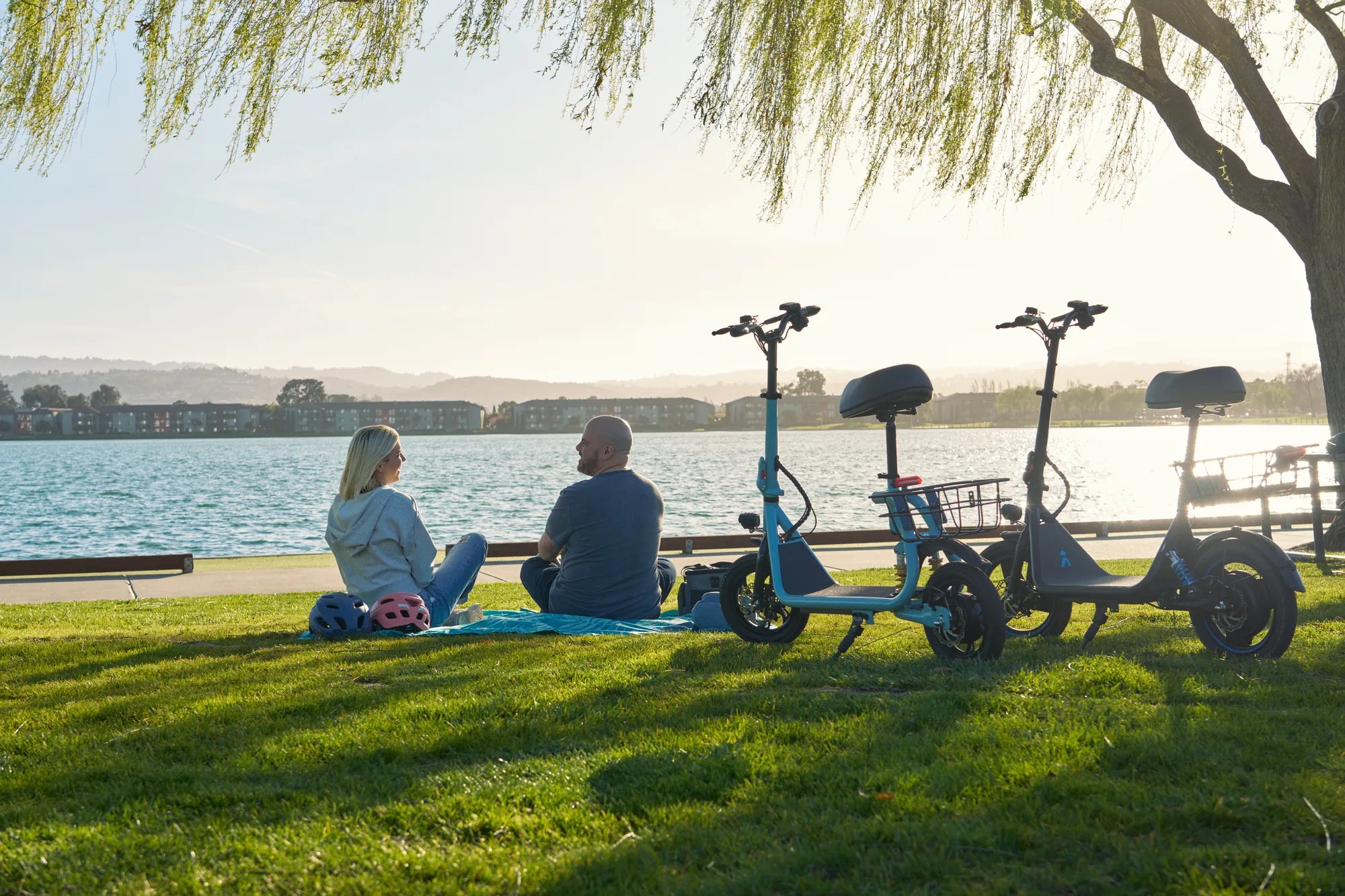
Imagine zipping through city traffic on a silent, emission-free electric scooter that can take you 200 km on a single charge. This isn't science fiction - by 2025, this could be the reality for millions of Indian commuters. The electric scooter revolution is coming, and it's bringing unprecedented range capabilities that could transform how we move through our cities.
The Rising Demand for Long-Range Electric Scooters in India
India's urban transportation landscape is undergoing a massive shift. With growing environmental concerns and rising fuel prices, consumers are increasingly looking toward electric alternatives. The demand for electric scooters with extended range has skyrocketed as commuters seek vehicles that can handle both daily city commutes and occasional longer trips without range anxiety.
Technological Advancements Making 200 km Range Possible
Several key technological developments are converging to make 200 km range electric scooters feasible by 2025:
- Battery Innovations: Next-generation lithium-ion batteries with higher energy density
- Efficient Motors: Brushless DC motors with improved torque and efficiency
- Regenerative Braking: Systems that recover energy during deceleration
- Lightweight Materials: Advanced composites reducing vehicle weight
- Aerodynamic Designs: Streamlined bodywork minimizing air resistance
Infrastructure Challenges for Long-Range EVs in India
While the technology is advancing rapidly, India faces unique infrastructure challenges that must be addressed to support widespread adoption of 200 km range electric scooters:
| Challenge | Potential Solution |
|---|---|
| Charging infrastructure | Expansion of public charging stations and home charging solutions |
| Power grid stability | Smart charging systems and renewable energy integration |
| Urban space constraints | Modular and compact charging solutions |
Government Policies Supporting Electric Mobility
The Indian government has implemented several initiatives to accelerate EV adoption:
- FAME II subsidy scheme for electric vehicles
- Reduced GST rates on EVs and components
- Production-linked incentives for battery manufacturing
- State-level policies promoting EV infrastructure
Economic and Environmental Benefits
The widespread adoption of 200 km range electric scooters could bring significant benefits:
- Reduced fuel import bills for the country
- Lower operating costs for consumers
- Improved urban air quality
- Reduced carbon emissions
- New job opportunities in manufacturing and servicing
Consumer Considerations for 200 km Range Scooters
When evaluating long-range electric scooters in 2025, consumers should consider:
- Actual real-world range versus claimed range
- Charging time and options
- Battery lifespan and replacement costs
- Service network availability
- Resale value projections
The electric scooter with 200 km range isn't just coming - it's about to redefine urban mobility in India. With game-changing technology, supportive policies, and growing consumer demand, these vehicles will soon make range anxiety a thing of the past while paving the way for cleaner, smarter cities across the country.
60v vs 72v Electric Scooter: Which Voltage Is Right for You?
60v vs 72v Electric Scooter: Which Voltage Is Right for You?