

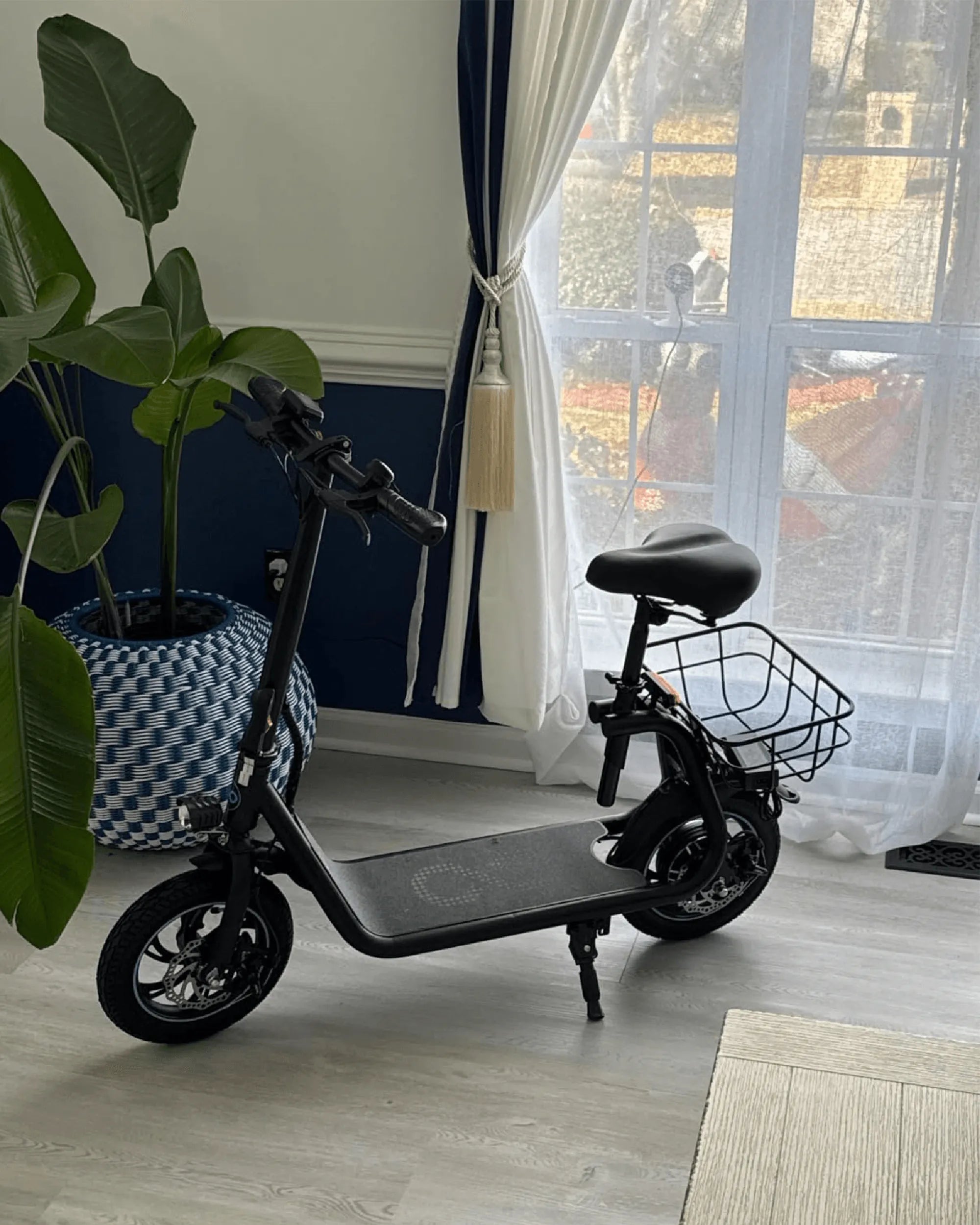
Electric scooters have surged in popularity as a convenient and eco-friendly mode of transportation. But have you ever wondered what makes up these sleek machines? Knowing the electric scooter body parts name is crucial for maintenance, upgrades, and even troubleshooting. Let’s dive into the world of electric scooter components and uncover what each part does.
Frame
The frame is the backbone of any electric scooter, providing structural integrity and support for all other components. Typically made from aluminum or steel, the frame ensures durability while keeping the scooter lightweight. A well-designed frame contributes to stability and ride comfort.
Deck
The deck is the platform where the rider stands. It houses the battery and other internal components while offering a non-slip surface for safety. Decks come in various sizes, with wider decks providing better balance for riders.
Handlebars
Handlebars are the steering mechanism of an electric scooter. They include grips, brakes, and throttle controls. Adjustable handlebars are a common feature, allowing riders to customize their riding position for comfort.
Stem and Folding Mechanism
The stem connects the handlebars to the deck and often includes a folding mechanism for portability. A sturdy stem ensures smooth steering, while the folding mechanism makes storage and transportation effortless.
Wheels and Tires
Electric scooters typically have two wheels, though some models feature three for added stability. Wheels can be air-filled (pneumatic) or solid (airless), each offering distinct ride experiences. Tire size and tread pattern also impact performance on different terrains.
Motor
The motor is the heart of the electric scooter, converting electrical energy into motion. Motors are usually located in the hub of one or both wheels. Power output varies, affecting speed and climbing ability.
Battery
The battery stores the energy needed to power the motor. Lithium-ion batteries are the most common due to their high energy density and longevity. Battery capacity determines the scooter’s range on a single charge.
Controller
The controller acts as the brain of the electric scooter, regulating power flow from the battery to the motor. It ensures smooth acceleration and deceleration while protecting the system from electrical faults.
Braking System
Brakes are critical for safety. Electric scooters may feature disc brakes, drum brakes, or regenerative braking systems. Some models combine multiple braking types for optimal stopping power.
Suspension
Suspension systems absorb shocks from uneven terrain, enhancing ride comfort. Common types include spring, hydraulic, and rubber suspension. Not all scooters have suspension, but it’s a valuable feature for off-road use.
Lights and Indicators
Front and rear lights improve visibility during night rides. Some scooters also include turn signals and brake lights for added safety. LED lights are popular for their brightness and energy efficiency.
Display Panel
The display panel shows vital information like speed, battery level, and riding mode. Advanced displays may include Bluetooth connectivity for smartphone integration.
Kickstand
A kickstand allows the scooter to stand upright when not in use. It’s a simple yet essential part for parking convenience.
Charger Port
The charger port connects the scooter to a power source for recharging the battery. It’s usually located on the deck or stem for easy access.
Understanding the electric scooter body parts name empowers you to make informed decisions about maintenance, upgrades, and repairs. Whether you’re a daily commuter or a weekend rider, this knowledge ensures a smoother, safer, and more enjoyable ride. Ready to take your scooter expertise to the next level?
Best Electric Scooter in Ratnagiri: Top Picks for Eco-Friendly Commuting
Best Mountain Biking in Ohio: Trails, Tips, and Must-Ride Destinations