



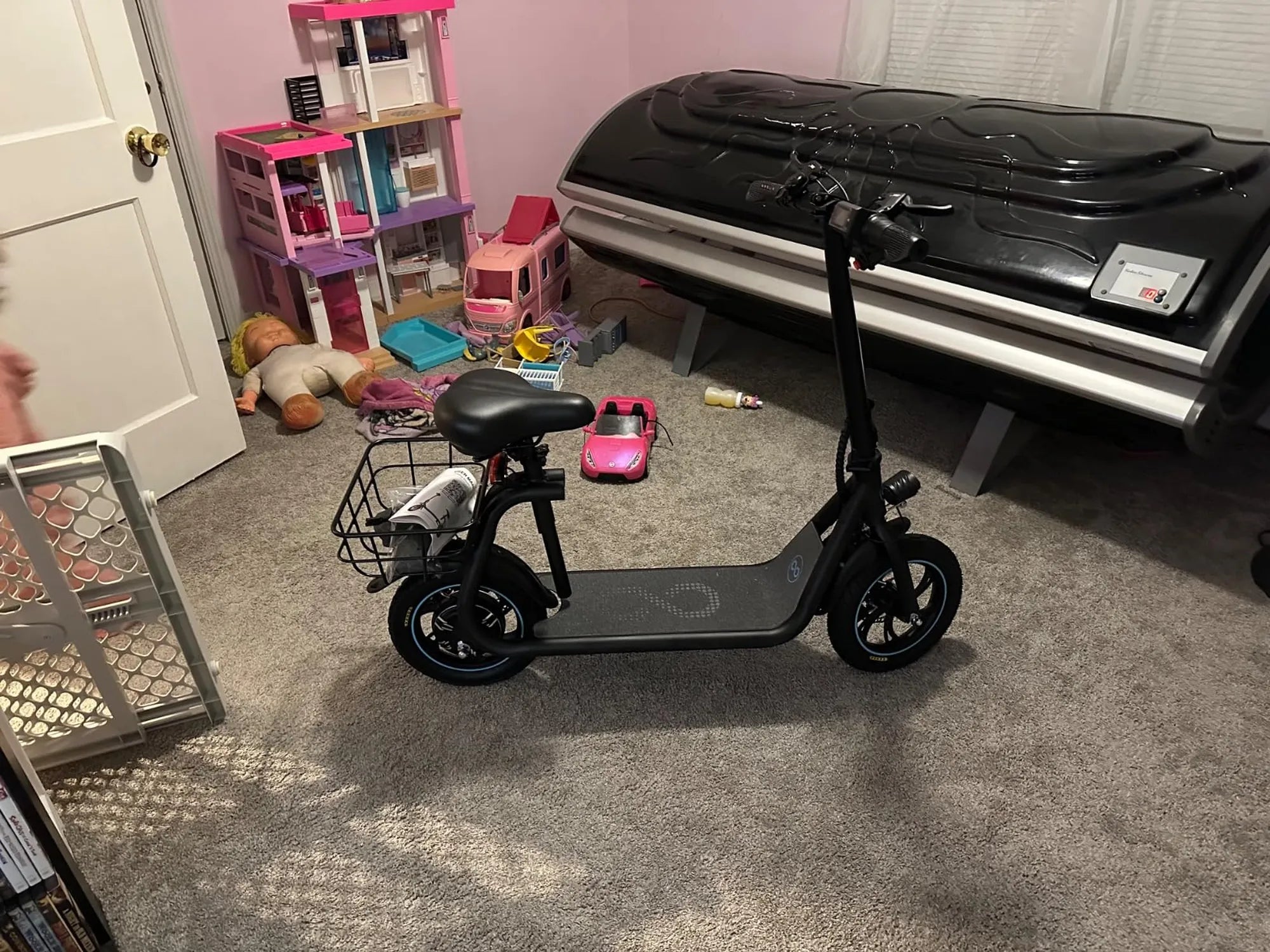
Electric scooters have revolutionized urban mobility, offering a convenient and eco-friendly way to navigate crowded streets. But what happens when your ride runs out of juice? The electric scooter charging plug is the unsung hero of your daily commute, ensuring your scooter stays powered and ready to go. Whether you're a seasoned rider or a newbie, understanding how to properly use and maintain your charging plug can make all the difference in performance and longevity.
Why the Electric Scooter Charging Plug Matters
The charging plug is the lifeline between your scooter and its power source. A faulty or mismatched plug can lead to slow charging, overheating, or even permanent battery damage. Not all plugs are created equal, and using the wrong one can void your warranty or pose safety risks. Always ensure your plug matches the manufacturer's specifications to avoid costly mistakes.
Types of Electric Scooter Charging Plugs
There are several types of charging plugs, each designed for specific models and power requirements. Common variants include barrel connectors, USB-C, and proprietary designs. Barrel connectors are widely used due to their simplicity and durability, while USB-C is gaining popularity for its fast-charging capabilities. Proprietary plugs, on the other hand, are tailored to specific brands and may require adapters for compatibility.
How to Choose the Right Charging Plug
Selecting the correct plug involves checking voltage, amperage, and connector type. Using a plug with the wrong voltage can damage your scooter's battery, while insufficient amperage may result in painfully slow charging. Always refer to your scooter's manual or consult the manufacturer before purchasing a replacement plug. Third-party options can be tempting, but they may lack the quality control of OEM parts.
Safety Tips for Charging Your Electric Scooter
Safety should always come first when dealing with electricity. Avoid charging your scooter in extreme temperatures, as this can degrade the battery. Never leave your scooter charging unattended for extended periods, and always unplug it once fully charged. Inspect your charging plug regularly for signs of wear, such as frayed wires or loose connections, and replace it immediately if any issues are detected.
Maximizing Battery Life with Proper Charging Habits
Your charging habits play a crucial role in extending your scooter's battery life. Avoid frequent partial charges, as this can lead to a phenomenon known as "battery memory." Instead, aim for full charge cycles whenever possible. Store your scooter with a partially charged battery (around 50%) if you won't be using it for an extended period. This helps maintain optimal battery health.
Troubleshooting Common Charging Issues
If your scooter isn't charging, start by checking the basics: Is the outlet working? Is the plug securely connected? If everything seems fine but the problem persists, the issue may lie with the charging port, battery, or internal circuitry. In such cases, it's best to seek professional assistance rather than attempting DIY repairs, which could void your warranty or cause further damage.
The Future of Electric Scooter Charging
As technology advances, we can expect faster, more efficient charging solutions. Wireless charging and solar-powered options are already in development, promising even greater convenience for riders. The humble electric scooter charging plug may soon evolve into something far more sophisticated, but for now, it remains an essential component of your ride.
Don't let a dead battery ruin your day—mastering the art of charging starts with understanding your electric scooter charging plug. From safety to efficiency, these small but mighty components hold the key to keeping you on the move. Ready to take your scooter game to the next level? Start by giving your charging plug the attention it deserves.
Electric Scooter with Seat and Storage: The Ultimate Urban Commuting Solution
Adult Electric Scooter with Bluetooth Speaker: The Ultimate Commuter Companion