



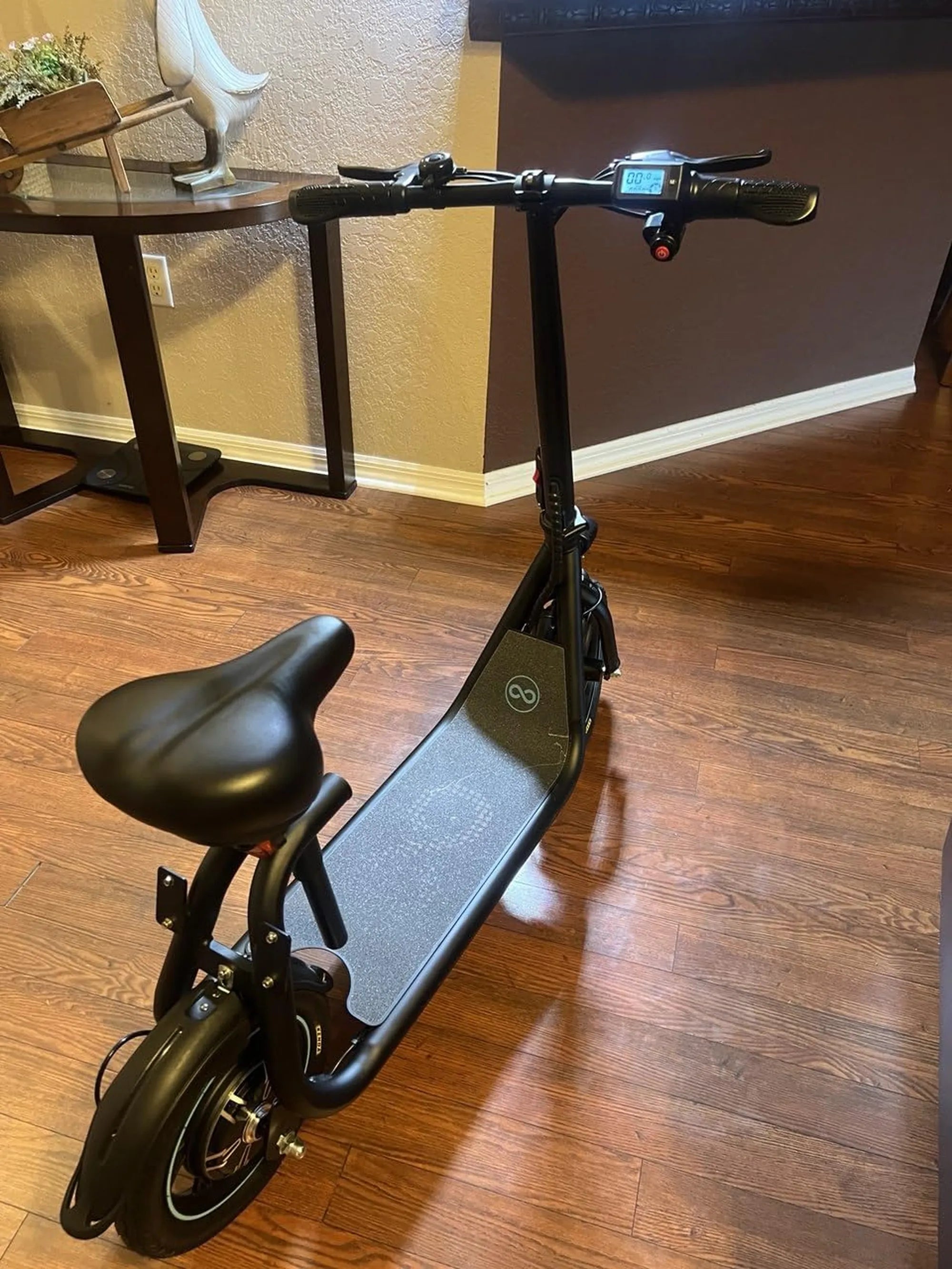
Electric scooters are revolutionizing urban mobility in India, offering an eco-friendly and cost-effective alternative to petrol-powered two-wheelers. With rising fuel prices and growing environmental concerns, more Indians are turning to electric scooters to save money and reduce their carbon footprint. But just how much can you save per kilometer with an electric scooter? Let’s break down the numbers and explore the factors that influence the cost per km of owning an electric scooter in India.
Understanding the Cost Per Kilometer of Electric Scooters
The cost per kilometer (km) of an electric scooter is significantly lower than that of a petrol-powered scooter. On average, an electric scooter consumes around 1.2 to 1.5 units of electricity to travel 100 km. With electricity rates in India ranging from ₹5 to ₹8 per unit, the cost per km comes to approximately ₹0.06 to ₹0.12. In contrast, a petrol scooter with a mileage of 50 km per liter and petrol priced at ₹100 per liter costs around ₹2 per km—nearly 20 times more!
Factors Affecting Electric Scooter Cost Per Km
Several variables influence the cost per km of an electric scooter:
- Battery Efficiency: Higher efficiency means fewer charging cycles and lower electricity consumption.
- Charging Costs: Home charging is cheaper than public charging stations, which may have additional service fees.
- Riding Conditions: Stop-and-go traffic, hilly terrain, and high speeds can reduce efficiency.
- Maintenance: Electric scooters have fewer moving parts, reducing servicing costs compared to petrol scooters.
Comparing Electric vs. Petrol Scooters
Beyond fuel savings, electric scooters offer additional financial benefits:
- Lower Maintenance: No engine oil changes, spark plug replacements, or clutch repairs.
- Government Incentives: Subsidies under the FAME II scheme reduce upfront costs.
- Long-Term Savings: Over five years, an electric scooter can save ₹50,000–₹1,00,000 in fuel and maintenance costs.
Tips to Minimize Electric Scooter Running Costs
To maximize savings, follow these best practices:
- Charge during off-peak hours when electricity rates are lower.
- Avoid frequent fast charging to prolong battery life.
- Keep tires properly inflated for optimal efficiency.
- Plan routes to minimize stops and maximize regenerative braking benefits.
The Future of Electric Scooters in India
As battery technology improves and charging infrastructure expands, the cost per km of electric scooters will decrease further. With India’s push toward renewable energy, solar-powered charging could make electric scooters even more affordable. The shift to electric mobility isn’t just a trend—it’s a smart financial decision for millions of commuters.
Switching to an electric scooter today could save you thousands of rupees annually while contributing to cleaner air and quieter streets. The numbers don’t lie: electric scooters are the future of urban transportation in India, offering unbeatable savings per kilometer.
Simple One Electric Scooter India: The Future of Urban Commuting
Best Electric Scooter for Heavy Adults with Seat: Top Picks and Buying Guide