



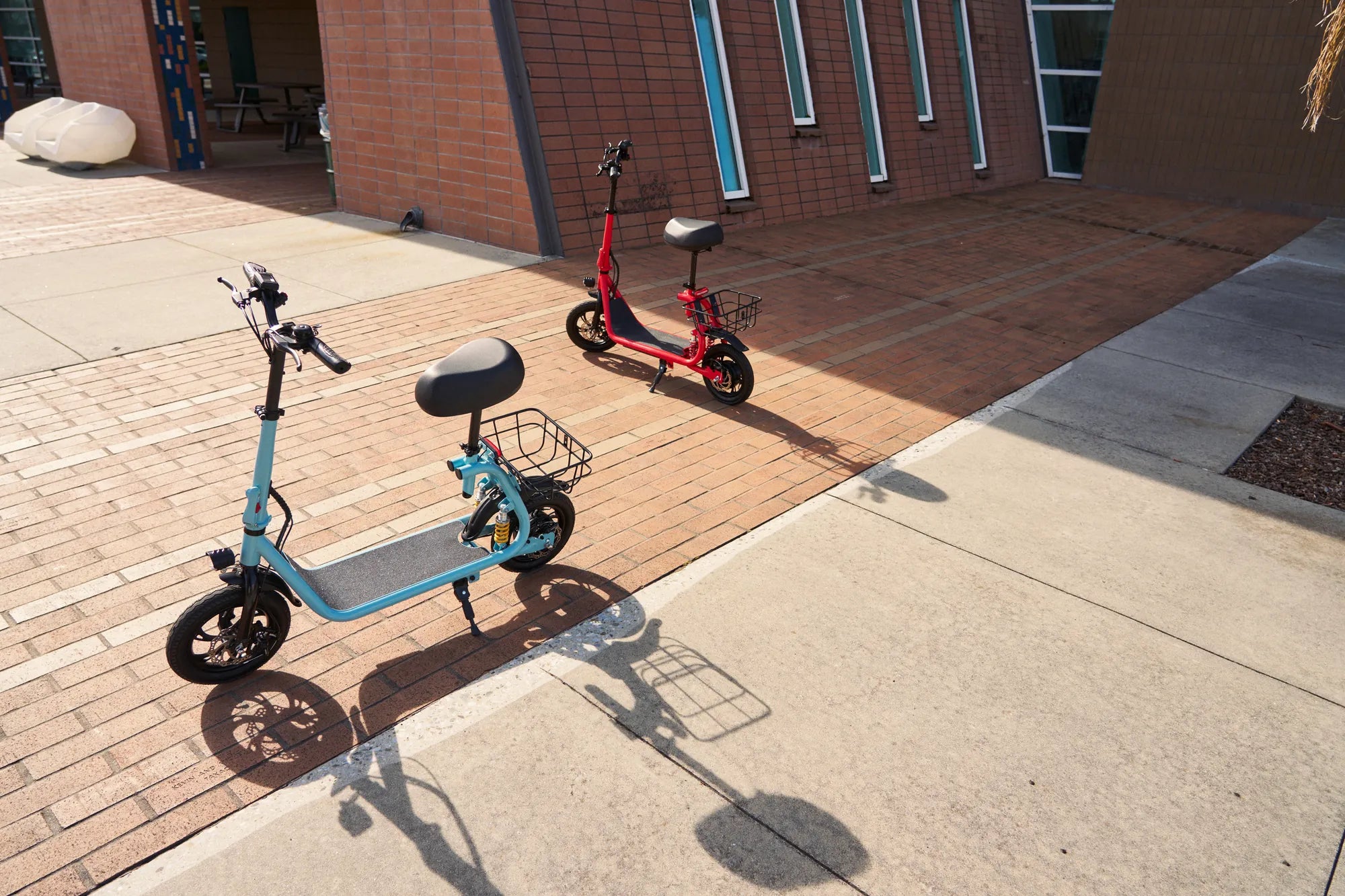
Are you tired of draining your wallet on gas, insurance, and car maintenance? Electric scooters offer a game-changing alternative that could save you thousands annually while helping the planet. Let’s dive into the numbers and see why more people are ditching their cars for this eco-friendly mode of transportation.
The True Cost of Car Ownership
When comparing electric scooter cost savings vs car, most people only consider fuel expenses. However, the real cost of car ownership includes numerous hidden expenses that quickly add up:
- Depreciation: New cars lose about 20% of their value in the first year alone
- Insurance: Annual premiums average $1,500-$2,000 for full coverage
- Maintenance: Oil changes, tire rotations, and unexpected repairs cost $500-$1,000 yearly
- Parking: Urban dwellers often pay $100-$300 monthly for parking spaces
- Financing: Loan interest adds thousands over the life of a vehicle
According to transportation analysts, the average annual cost of car ownership ranges between $7,000 and $10,000 when all factors are considered.
Electric Scooter Economics
Now let’s examine the electric scooter side of the equation. A quality electric scooter requires significantly less financial commitment:
| Expense Category | Annual Cost |
|---|---|
| Initial Purchase | $500-$1,500 (one-time) |
| Electricity | $20-$50 |
| Maintenance | $50-$150 |
| Insurance | $0-$100 (optional in most areas) |
| Parking | $0 (can be brought indoors) |
Even with battery replacement every 2-3 years ($200-$400), the total annual cost typically falls between $300 and $800 – a fraction of car expenses.
Environmental Impact Comparison
The electric scooter cost savings vs car debate extends beyond finances to environmental benefits:
- Electric scooters produce zero direct emissions
- They require far less energy to manufacture than cars
- Battery recycling programs are improving sustainability
- They reduce traffic congestion in urban areas
Studies show that switching from a car to an electric scooter for daily commutes can reduce an individual’s transportation carbon footprint by up to 80%.
Practical Considerations
While the electric scooter cost savings vs car argument is compelling, there are practical factors to consider:
Range and Speed
Most electric scooters offer 15-40 miles per charge at speeds of 15-25 mph, making them ideal for urban commutes but less suitable for long-distance travel.
Weather Limitations
Rain, snow, and extreme temperatures can make scooter commuting challenging in some climates, though proper gear can mitigate these issues.
Cargo Capacity
Scooters can’t match a car’s hauling ability, but many models include storage compartments or can accommodate backpacks for daily essentials.
Making the Switch
For those ready to embrace electric scooter cost savings vs car ownership, here’s a transition strategy:
- Calculate your current transportation costs to understand potential savings
- Test ride different scooter models to find one that fits your needs
- Start by replacing short car trips with scooter rides
- Invest in quality safety gear (helmet, lights, reflective clothing)
- Learn local regulations regarding scooter use in your area
Many urban dwellers find they can replace 60-80% of their car trips with an electric scooter, maintaining their vehicle for occasional needs while saving substantially.
Imagine keeping an extra $5,000-$8,000 in your pocket each year while reducing pollution and avoiding traffic headaches. That’s the power of choosing an electric scooter over a car for your daily transportation needs. The savings add up quickly, and so do the environmental benefits – making this one of the smartest mobility decisions you can make today.
Expensive Electric Bike: Is It Worth the Investment?
Where Can You Ride Electric Scooters Texas: A Complete Guide