



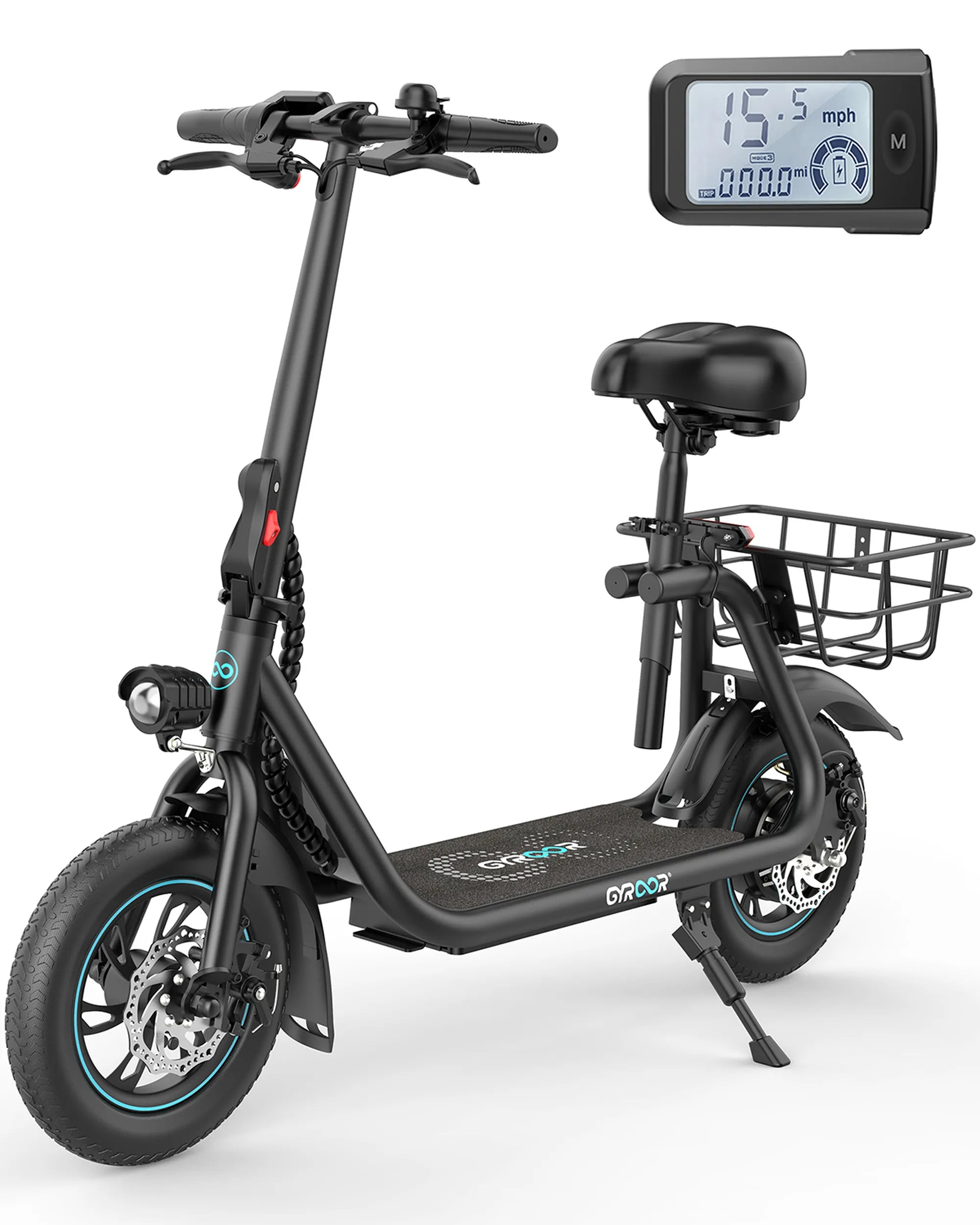
Electric scooters have surged in popularity as a convenient and eco-friendly mode of urban transportation. But how much energy do they really consume per kilometer? Understanding this metric can help riders make informed decisions, reduce costs, and minimize their environmental footprint. Let’s dive into the details.
Factors Affecting Electric Scooter Energy Consumption per km
Several variables influence how much energy an electric scooter uses per kilometer. Here are the key factors:
- Battery Efficiency: The quality and condition of the battery play a significant role in energy consumption. Older or poorly maintained batteries may drain faster.
- Rider Weight: Heavier riders require more power to propel the scooter, increasing energy consumption.
- Terrain: Riding uphill or on rough surfaces demands more energy compared to flat, smooth roads.
- Speed: Higher speeds generally lead to greater energy use due to increased air resistance.
- Tire Pressure: Underinflated tires create more friction, reducing efficiency.
- Weather Conditions: Cold temperatures can reduce battery performance, while strong winds increase drag.
Calculating Electric Scooter Energy Consumption per km
To estimate energy consumption, you can use the following formula:
Energy Consumption (Wh/km) = Battery Capacity (Wh) / Range (km)
For example, if a scooter has a 250Wh battery and a range of 25 km, its energy consumption would be 10 Wh/km. This is a simplified calculation, but it provides a useful baseline.
Tips to Reduce Energy Consumption
Want to stretch your scooter’s range and save energy? Try these strategies:
- Maintain Optimal Tire Pressure: Check your tires regularly to ensure they’re properly inflated.
- Ride at Moderate Speeds: Avoid excessive acceleration and maintain a steady pace.
- Choose Smooth Routes: Opt for flat, well-paved paths whenever possible.
- Limit Extra Weight: Carry only what you need to reduce the load on your scooter.
- Keep Your Battery Healthy: Avoid overcharging and store the scooter in a cool, dry place.
The Environmental Impact of Electric Scooter Energy Consumption
While electric scooters are far greener than gas-powered vehicles, their energy consumption still contributes to carbon emissions—especially if the electricity comes from non-renewable sources. By optimizing energy use, riders can further reduce their environmental impact.
Comparing Electric Scooters to Other Transport Modes
Electric scooters are among the most energy-efficient personal transport options. For context:
| Transport Mode | Average Energy Consumption (Wh/km) |
|---|---|
| Electric Scooter | 10-20 |
| Electric Bike | 5-15 |
| Public Transit (Bus) | 50-100 |
| Car (Gasoline) | 500-1000 |
As the table shows, electric scooters are a highly efficient choice for short-distance travel.
Future Trends in Electric Scooter Efficiency
Advancements in battery technology, lightweight materials, and regenerative braking systems are expected to further improve electric scooter energy efficiency. Innovations like solar-powered charging stations could also play a role in reducing overall consumption.
Ready to make your rides more efficient? By understanding and optimizing electric scooter energy consumption per km, you can save money, extend your scooter’s lifespan, and contribute to a cleaner planet. Start implementing these tips today and feel the difference!
Affordable Foldable Electric Scooter: The Ultimate Urban Commuting Solution
Good Electric Scooter for Adults Quotation: A Comprehensive Guide to Finding the Best Ride