


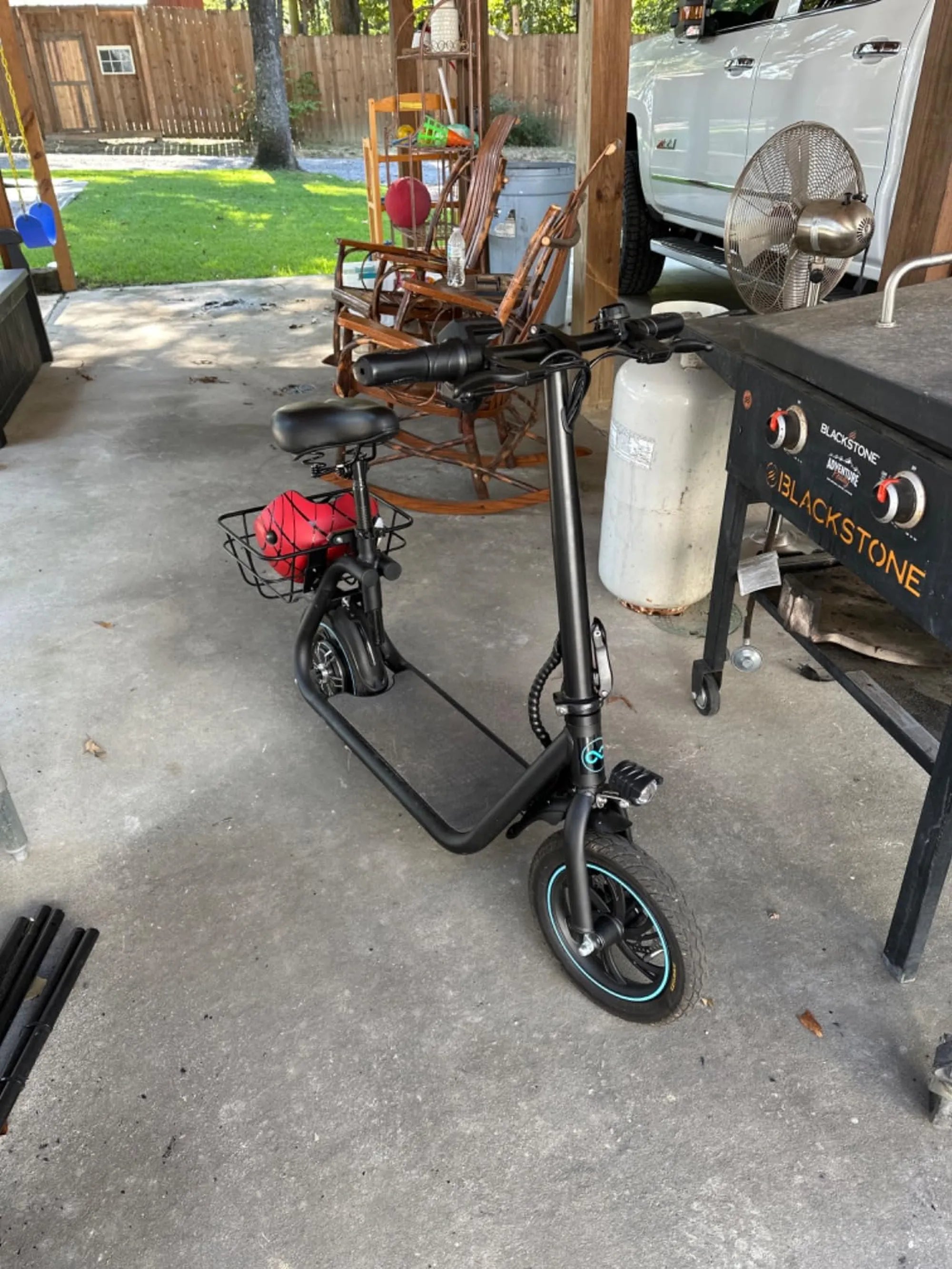
Electric scooters have surged in popularity as a convenient, eco-friendly mode of urban transportation. But how much energy do they really consume? The metric watt-hours per kilometer (Wh/km) is key to understanding efficiency, range, and operating costs. Whether you're a daily commuter or a casual rider, knowing your scooter's energy consumption can help you make smarter choices—and save money in the long run.
What Is Wh per km?
Energy consumption in electric scooters is measured in watt-hours per kilometer (Wh/km). This metric indicates how much energy the scooter uses to travel one kilometer. Lower Wh/km values mean higher efficiency, translating to longer ranges and lower electricity costs. For example, a scooter consuming 10 Wh/km will use less energy than one consuming 15 Wh/km for the same distance.
Factors Affecting Electric Scooter Energy Consumption
Several variables influence how much energy an electric scooter consumes:
- Rider Weight: Heavier riders require more power to accelerate and maintain speed.
- Terrain: Hills and rough surfaces increase energy use compared to flat, smooth roads.
- Speed: Higher speeds generally lead to higher Wh/km due to increased air resistance.
- Tire Pressure: Underinflated tires create more rolling resistance, raising energy consumption.
- Battery Efficiency: Older or poorly maintained batteries may deliver less energy per charge.
- Weather Conditions: Cold temperatures can reduce battery performance, while headwinds increase drag.
How to Calculate Wh per km
Calculating your scooter's energy consumption is straightforward:
- Check the battery capacity (in watt-hours, Wh) from the manufacturer's specifications.
- Note the distance traveled on a full charge (in kilometers).
- Divide the battery capacity by the distance to get Wh/km.
For example, a 300 Wh battery that covers 30 km on a full charge consumes 10 Wh/km (300 Wh ÷ 30 km = 10 Wh/km).
Tips to Reduce Energy Consumption
Want to maximize your scooter's efficiency? Try these strategies:
- Maintain Optimal Tire Pressure: Properly inflated tires reduce rolling resistance.
- Ride at Moderate Speeds: Avoiding top speeds can significantly lower Wh/km.
- Reduce Unnecessary Weight: Carry only essential items to minimize energy demand.
- Use Eco Mode: Many scooters offer an energy-saving mode that limits speed and acceleration.
- Plan Efficient Routes: Avoid steep hills and rough terrain when possible.
The Environmental and Cost Benefits of Efficient Scooters
Lower Wh/km doesn't just save money—it also reduces your carbon footprint. Efficient scooters consume less electricity, decreasing reliance on power grids and fossil fuels. Over time, even small improvements in energy efficiency can lead to substantial savings and environmental benefits.
Ready to take control of your electric scooter's energy use? By understanding Wh/km and implementing efficiency-boosting practices, you can extend your rides, cut costs, and contribute to a greener planet. The road to smarter scooting starts now!
Electric Scooter With Seat Under $300: Affordable and Comfortable Commuting
Which Electric Scooter Does Not Need License: A Complete Guide