

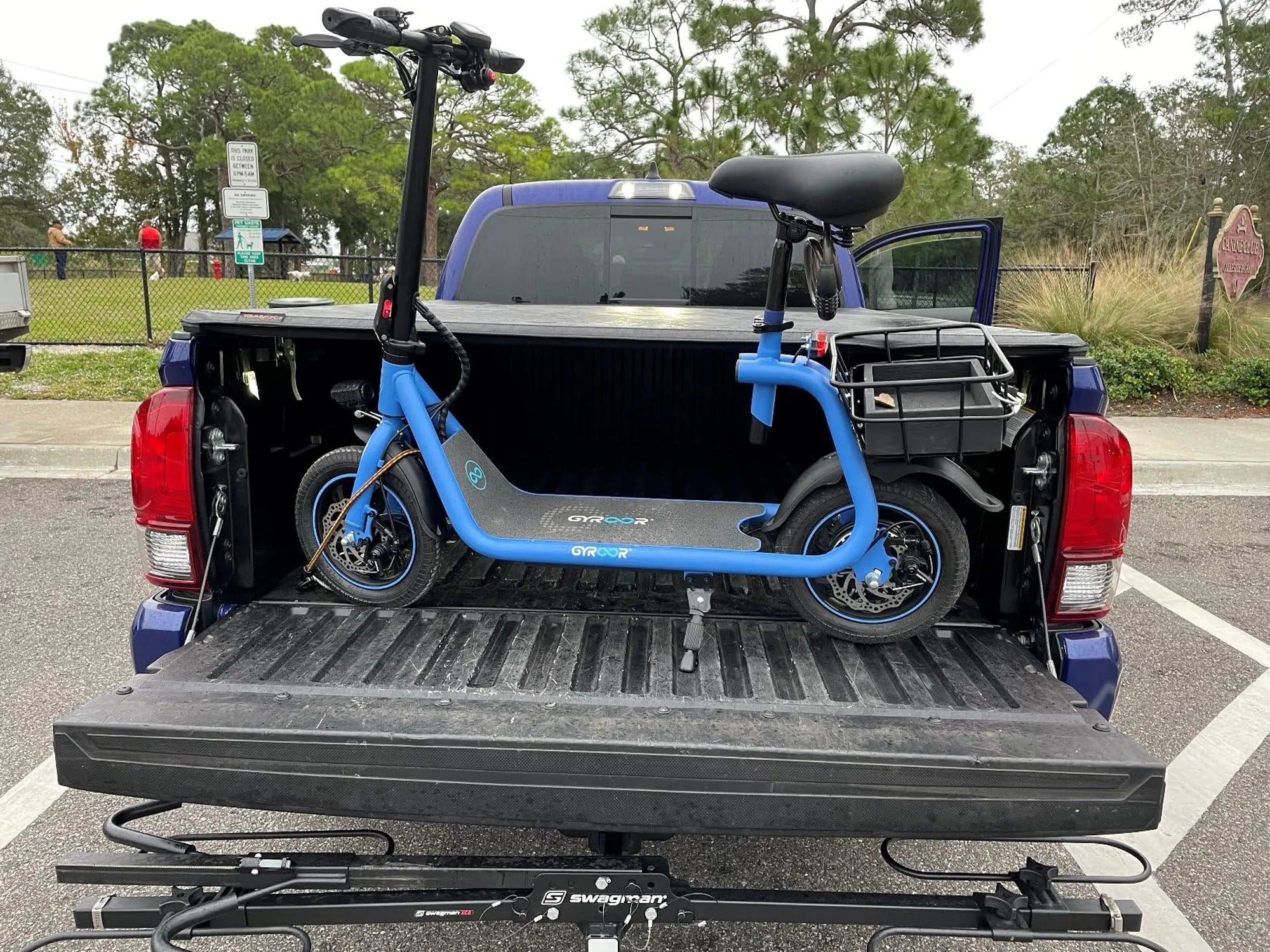
Electric scooters have revolutionized urban mobility, offering a convenient and eco-friendly way to navigate crowded streets. At the heart of every electric scooter's performance lies a critical component: the electric scooter fork. This often-overlooked part plays a pivotal role in ensuring a smooth, stable, and safe ride. Whether you're a daily commuter or a casual rider, understanding the electric scooter fork can help you make informed decisions about maintenance and upgrades.
What Is an Electric Scooter Fork?
The electric scooter fork is the structural component that connects the front wheel to the scooter's handlebars. It serves as the primary suspension system, absorbing shocks from uneven terrain and providing stability during rides. Forks come in various designs, each tailored to different riding conditions and performance needs.
Types of Electric Scooter Forks
There are several types of electric scooter forks, each with unique features and benefits:
1. Rigid Forks
Rigid forks are the simplest type, made from a single piece of material (usually aluminum or steel). They lack suspension, making them lightweight and low-maintenance. However, they offer minimal shock absorption, which can lead to a rougher ride on uneven surfaces.
2. Spring Forks
Spring forks incorporate coiled springs to absorb shocks. They provide a balance between weight and comfort, making them a popular choice for urban commuters. While not as advanced as hydraulic forks, they are more affordable and easier to maintain.
3. Hydraulic Forks
Hydraulic forks use fluid-filled chambers to dampen vibrations and shocks. They offer superior performance on rough terrain, ensuring a smooth ride even at higher speeds. However, they are heavier and require more maintenance than other types.
4. Air Forks
Air forks use compressed air to absorb shocks, allowing riders to adjust the suspension stiffness based on their weight and riding style. They are lightweight and highly customizable but can be expensive and require regular tuning.
Functions of an Electric Scooter Fork
The electric scooter fork performs several essential functions:
- Shock Absorption: It dampens vibrations and impacts from bumps, potholes, and uneven surfaces.
- Stability: It keeps the front wheel aligned with the handlebars, ensuring precise steering control.
- Weight Distribution: It helps distribute the rider's weight evenly, improving balance and reducing fatigue.
- Durability: A well-built fork enhances the scooter's longevity by withstanding daily wear and tear.
How to Maintain Your Electric Scooter Fork
Proper maintenance is crucial to extend the lifespan of your electric scooter fork and ensure optimal performance. Here are some tips:
1. Regular Cleaning
Dirt and debris can accumulate in the fork's moving parts, leading to increased friction and wear. Clean the fork regularly with a damp cloth and mild detergent, avoiding harsh chemicals that could damage the seals.
2. Lubrication
Apply a suitable lubricant to the fork's stanchions and pivot points to reduce friction and prevent rust. Avoid over-lubricating, as excess grease can attract dirt.
3. Inspect for Damage
Check for cracks, dents, or bent components, especially after a rough ride. Damaged forks can compromise safety and should be replaced immediately.
4. Tighten Loose Bolts
Vibrations from riding can loosen bolts over time. Periodically inspect and tighten all fasteners to ensure the fork remains securely attached.
5. Check Suspension Performance
If your fork has suspension, test its responsiveness by compressing it gently. If it feels stiff or uneven, consider servicing or replacing the suspension components.
Upgrading Your Electric Scooter Fork
Upgrading your electric scooter fork can significantly improve ride quality and performance. Here are some factors to consider:
- Compatibility: Ensure the new fork matches your scooter's wheel size and mounting system.
- Riding Style: Choose a fork that suits your typical terrain—rigid for smooth pavements, hydraulic for off-road adventures.
- Budget: High-end forks offer better performance but come at a premium price.
Common Issues with Electric Scooter Forks
Even with proper maintenance, electric scooter forks can develop issues over time. Some common problems include:
- Fork Misalignment: Caused by impacts or improper installation, leading to uneven tire wear and handling difficulties.
- Suspension Failure: Worn-out springs or leaking hydraulic fluid can reduce shock absorption.
- Corrosion: Exposure to moisture and salt can cause rust, weakening the fork's structure.
Addressing these issues promptly can prevent accidents and costly repairs.
Safety Tips for Electric Scooter Fork Maintenance
Working on your electric scooter fork requires caution to avoid injuries or further damage. Follow these safety tips:
- Always turn off and unplug the scooter before performing maintenance.
- Use appropriate tools to avoid stripping bolts or damaging components.
- Wear protective gloves and eyewear when handling lubricants or cleaning agents.
- Consult the manufacturer's manual for specific instructions and torque settings.
The electric scooter fork is more than just a connecting piece—it's the backbone of your ride's comfort and safety. By understanding its types, functions, and maintenance needs, you can enjoy smoother, safer, and more enjoyable journeys. Whether you're tackling city streets or exploring off-road trails, a well-maintained fork ensures your scooter performs at its best. Don't overlook this crucial component; give it the attention it deserves, and your rides will never be the same.
Electric Scooter for Heavy Adults Canada: The Ultimate Guide to Choosing the Right Model
Europe Electric Scooter Battery Market: Growth, Trends, and Future Outlook