



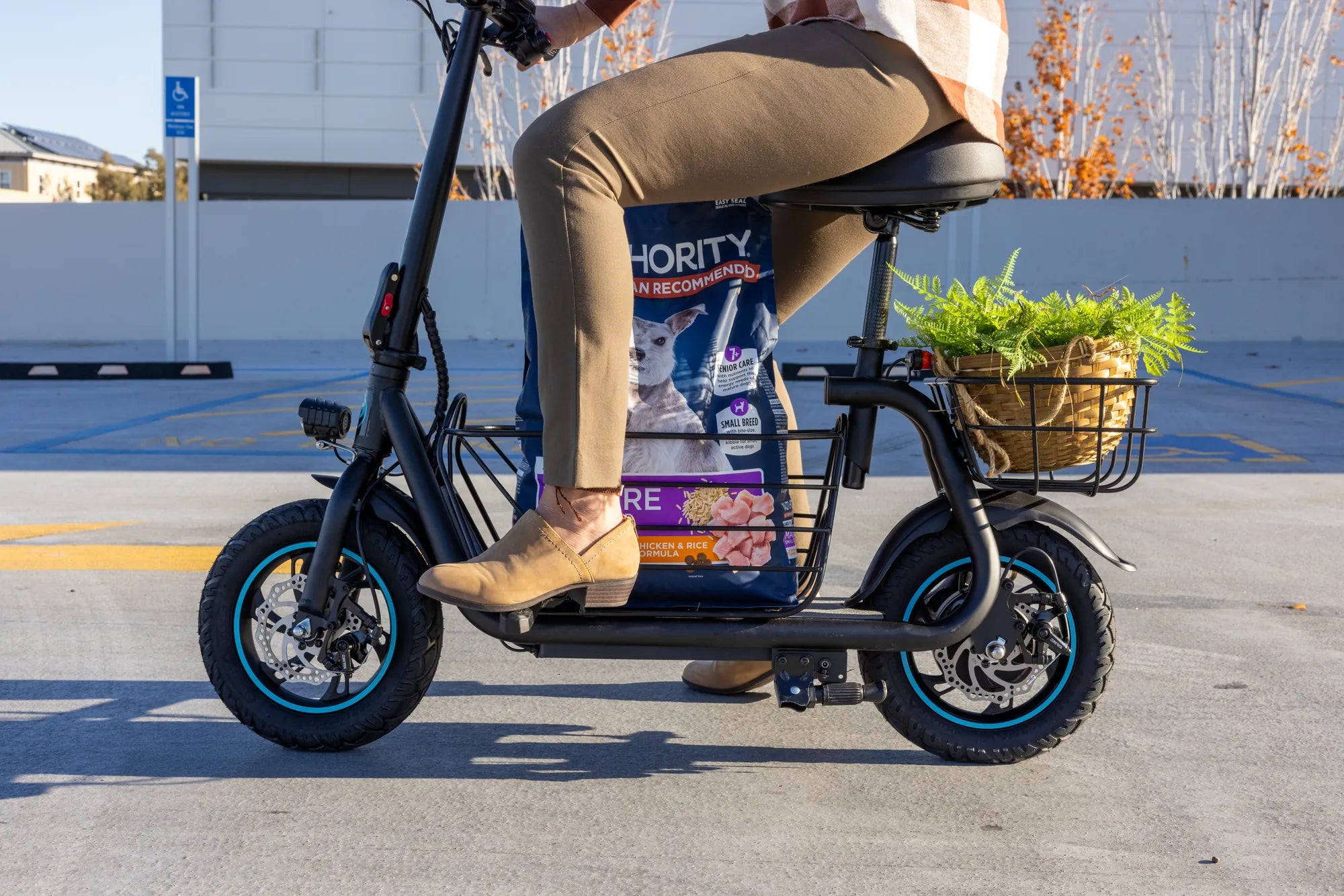
Winter commuting can be a nightmare, but what if there was a way to glide through snow-covered streets with ease? Enter the electric scooter—a surprisingly capable option for snowy conditions. While not all models are built for winter, the right electric scooter can handle snow, slush, and icy roads better than you might think. Let’s dive into what makes an electric scooter good in snow and how you can make the most of it this winter.
Why Electric Scooters Can Be Great in Snow
Electric scooters are often associated with sunny summer days, but with the right features, they can be a reliable winter companion. Here’s why:
- Sturdy Tires: Scooters with wider, air-filled, or all-terrain tires provide better traction on snow and slush.
- Powerful Motors: Higher wattage motors can push through resistance caused by snow, ensuring consistent performance.
- Water Resistance: Many scooters come with IP ratings that protect against water and snow, keeping the electronics safe.
- Stable Design: A lower center of gravity and robust frame help maintain balance on slippery surfaces.
Key Features to Look for in a Snow-Ready Electric Scooter
Not all electric scooters are created equal when it comes to winter performance. Here are the must-have features for snow riding:
1. Tires with Excellent Traction
Pneumatic (air-filled) tires or all-terrain treads are ideal for snow. They grip better than solid tires and absorb shocks from uneven surfaces.
2. Strong Motor and Battery Performance
Cold weather can drain battery life faster, so opt for a scooter with a high-capacity battery and a motor that delivers consistent power in low temperatures.
3. Water and Snow Resistance
Look for an IP54 or higher rating to ensure the scooter can handle snow and moisture without damage.
4. Heated Grips and Lights
While not common, some scooters offer heated grips to keep your hands warm. Bright LED lights are also crucial for visibility in shorter winter days.
Tips for Riding an Electric Scooter in Snow
Even the best snow-ready scooter requires careful handling. Follow these tips to stay safe:
- Slow Down: Reduce speed to avoid skidding on icy patches.
- Dress Warmly: Layer up and wear waterproof gear to stay dry and comfortable.
- Avoid Deep Snow: Stick to cleared paths or lightly snow-covered roads.
- Maintain Your Scooter: Clean off snow and salt after each ride to prevent corrosion.
The Pros and Cons of Using an Electric Scooter in Snow
Before committing to winter scooting, weigh the advantages and challenges:
Pros
- Eco-friendly alternative to cars.
- Easier to maneuver through traffic than bulky winter vehicles.
- Fun and efficient for short commutes.
Cons
- Limited range in cold weather.
- Requires extra maintenance to prevent damage from snow and salt.
- Not suitable for heavy snowfall or extreme conditions.
How to Extend Your Electric Scooter’s Lifespan in Winter
Winter riding can be harsh on your scooter, but these steps will help keep it in top shape:
- Store it indoors when not in use to protect the battery from freezing.
- Wipe down the scooter after each ride to remove snow, salt, and moisture.
- Check tire pressure regularly, as cold weather can cause fluctuations.
- Avoid charging the battery in freezing temperatures to preserve its lifespan.
Winter doesn’t have to mean hanging up your electric scooter. With the right model and precautions, you can enjoy a smooth, eco-friendly ride even when the snow falls. Imagine zipping past traffic jams and slippery sidewalks while others struggle with winter woes—your electric scooter might just be the ultimate cold-weather hack!
Electric Scooter with Basket for City: The Ultimate Urban Commuting Companion
Electric Scooter with Basket for City: The Ultimate Urban Commuting Companion