



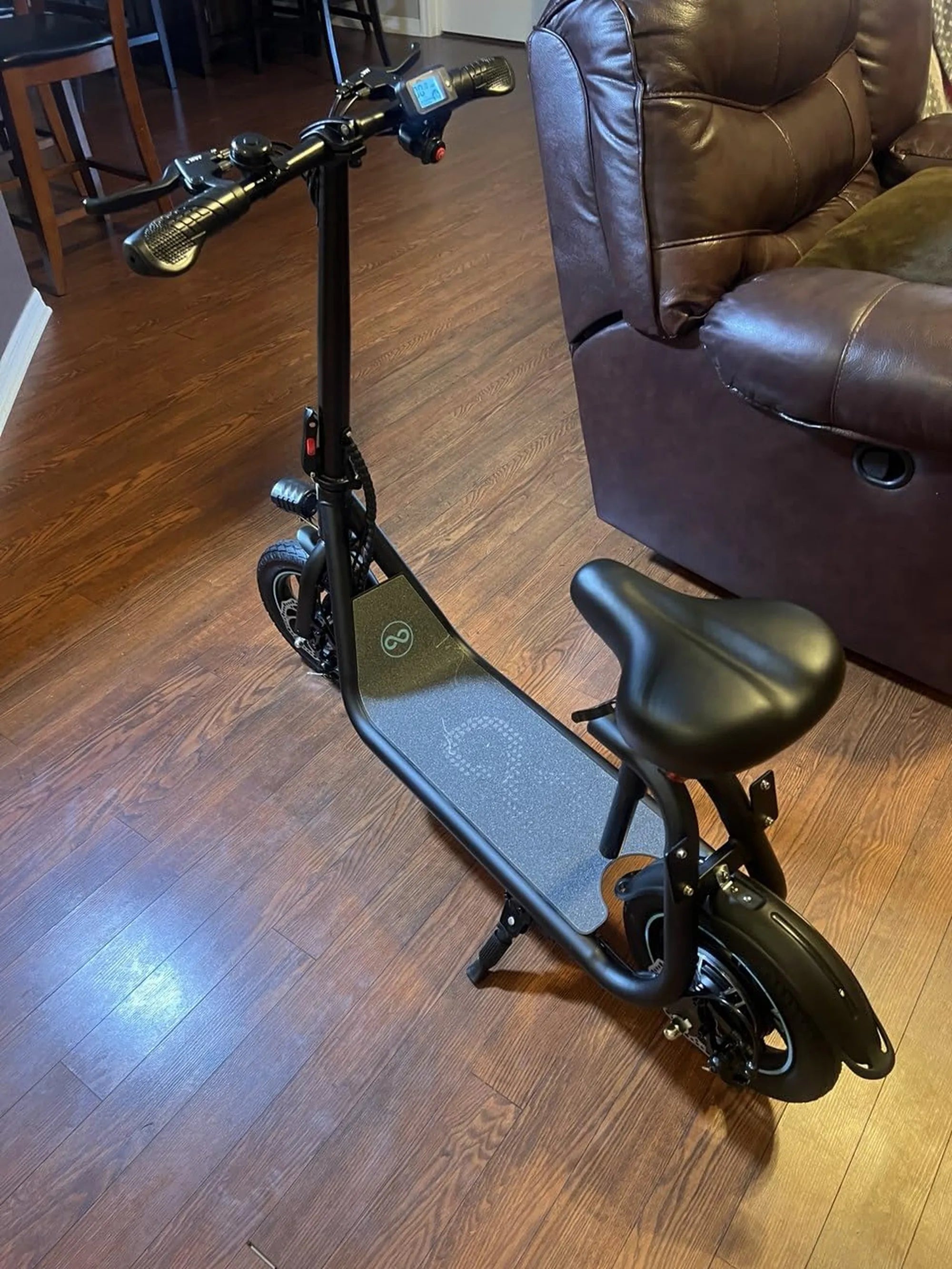
The electric scooter invention has taken the world by storm, reshaping how people navigate crowded cities and reducing reliance on fossil fuels. From its humble beginnings to its current status as a global phenomenon, this compact vehicle has proven to be more than just a passing trend—it's a mobility revolution.
The Origins of the Electric Scooter Invention
The concept of personal electric transportation dates back further than many realize. While modern iterations seem like a product of the 21st century, early prototypes emerged as early as the late 19th century. These initial designs laid the groundwork for what would eventually become the sleek, efficient electric scooters we know today.
Key milestones in the electric scooter invention include:
- Early patents for electric-powered personal vehicles in the 1890s
- Post-World War II experiments with battery-powered transportation
- The 1990s introduction of more practical designs with improved battery technology
- The 2010s boom in shared mobility services featuring electric scooters
How the Electric Scooter Invention Changed Urban Transportation
The impact of the electric scooter invention on city landscapes cannot be overstated. These nimble vehicles have addressed several critical urban challenges:
Last-Mile Connectivity: Electric scooters bridge the gap between public transit stops and final destinations, solving the "last mile" problem that often discourages people from using mass transportation.
Reduced Congestion: By taking up significantly less space than cars and moving efficiently through traffic, electric scooters help decrease urban congestion.
Environmental Benefits: With zero direct emissions, electric scooters offer a cleaner alternative to gas-powered vehicles, contributing to improved air quality in cities.
The Technology Behind the Electric Scooter Invention
Modern electric scooters incorporate several innovative technologies that make them practical for daily use:
| Component | Function |
|---|---|
| Lithium-ion Batteries | Provide high energy density for longer range |
| Brushless DC Motors | Offer efficient, low-maintenance propulsion |
| Regenerative Braking | Recovers energy during deceleration |
| Smart Connectivity | Enables GPS tracking and mobile app integration |
Challenges and Controversies Surrounding the Electric Scooter Invention
Despite its many benefits, the electric scooter invention hasn't been without its challenges:
Safety Concerns: The rapid adoption of electric scooters has led to increased accidents, prompting calls for better rider education and infrastructure.
Regulatory Hurdles: Cities worldwide have struggled to create appropriate regulations for electric scooter use on sidewalks and roads.
Vandalism and Misuse: Shared electric scooter services have faced issues with improper parking and intentional damage.
The Future of the Electric Scooter Invention
As technology continues to advance, the electric scooter invention is poised for further evolution:
Emerging trends include:
- Improved battery technology for longer ranges and faster charging
- Integration with smart city infrastructure
- Advanced safety features like collision avoidance systems
- More durable designs for shared mobility applications
The electric scooter invention has already transformed urban mobility, but its full potential is just beginning to be realized. As cities become smarter and transportation needs evolve, these compact vehicles will likely play an even greater role in shaping the future of how we move.
Electric Scooter Under 80000 India 2025: The Future of Affordable Urban Mobility
Electric Scooter 18mph: The Ultimate Guide to Speed, Safety, and Convenience