


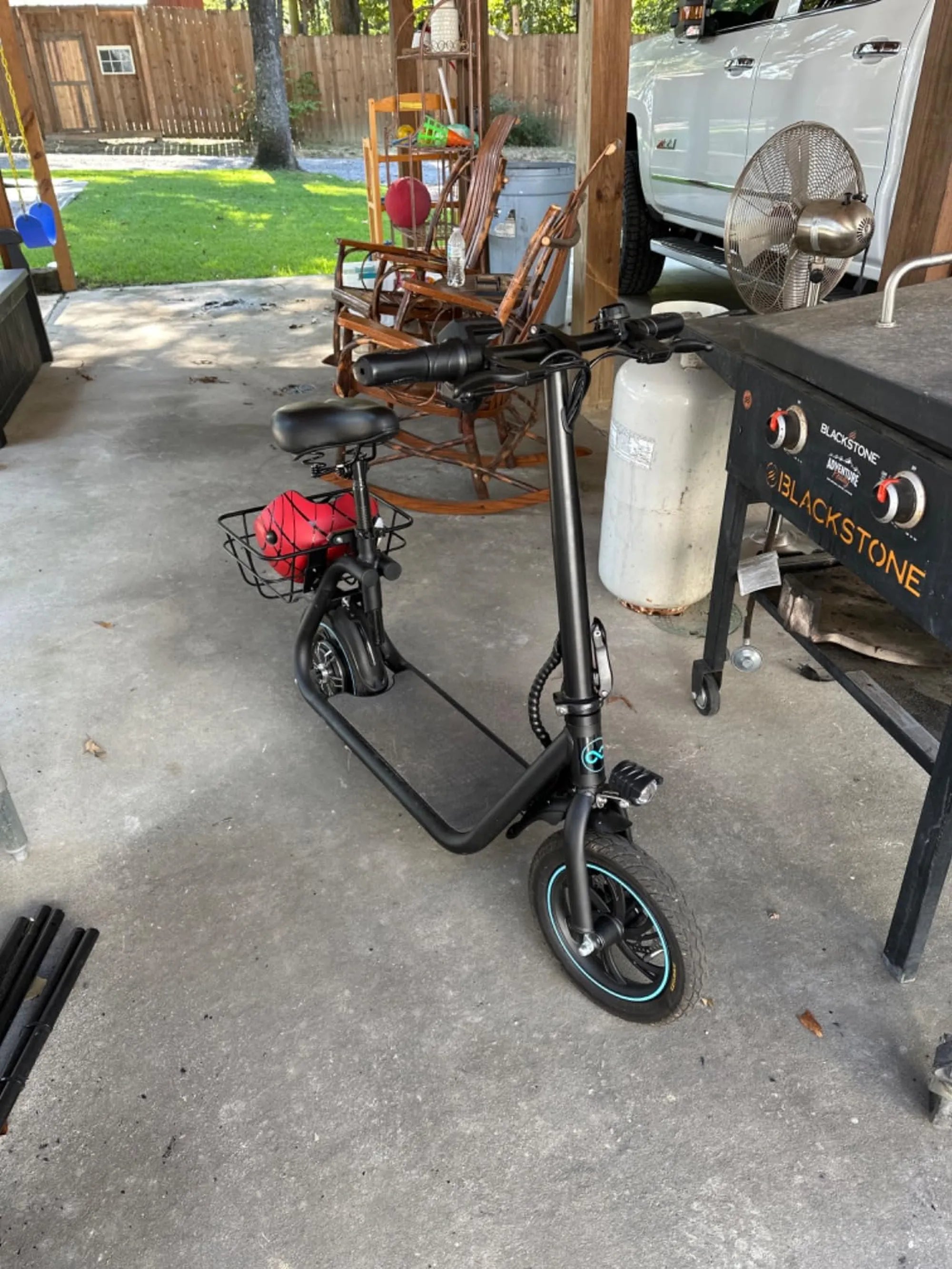
The rise of electric scooters has transformed the way people navigate cities, offering a convenient, eco-friendly alternative to traditional transportation. As urban areas grapple with congestion and pollution, the legalisation of electric scooters presents a promising solution. But what does this mean for riders, pedestrians, and city planners? Let’s dive into the world of e-scooter legalisation and its impact on modern mobility.
The Benefits of Electric Scooter Legalisation
Electric scooters are more than just a trendy way to get around—they’re a game-changer for urban transportation. Legalising e-scooters can reduce traffic congestion, lower carbon emissions, and provide an affordable last-mile solution for commuters. Cities that have embraced e-scooters report fewer cars on the road, leading to cleaner air and less crowded streets.
Another advantage is accessibility. E-scooters are often cheaper than ride-sharing services and public transit, making them an attractive option for short trips. For many, they fill the gap between walking and taking a bus or train, offering a flexible and efficient way to travel.
Challenges and Concerns
Despite their benefits, electric scooters come with challenges. Safety is a major concern, as accidents involving e-scooters have risen in cities where they’re legal. Riders often ignore traffic rules, and pedestrians face risks from scooters zipping through sidewalks. Proper regulations, such as speed limits and designated lanes, are essential to mitigate these risks.
Another issue is infrastructure. Many cities lack the necessary bike lanes or parking spaces for e-scooters, leading to cluttered sidewalks and frustrated residents. Without proper planning, the convenience of e-scooters can quickly turn into a nuisance.
Global Perspectives on E-Scooter Legalisation
Countries around the world are taking different approaches to electric scooter legalisation. Some, like Germany and France, have implemented strict rules to ensure safety and order. Others, such as the UK, have been slower to adopt e-scooters, citing concerns over public safety and liability.
In the US, cities like Los Angeles and Austin have embraced e-scooters with mixed results. While ridership is high, complaints about reckless riding and improper parking persist. These examples highlight the need for balanced regulations that encourage innovation while protecting public safety.
The Future of Electric Scooters
As technology advances, electric scooters are likely to become even more integrated into urban transportation systems. Smart scooters with GPS tracking and improved battery life could address some of the current challenges. Additionally, partnerships between cities and e-scooter companies could lead to better infrastructure and more sustainable mobility solutions.
The legalisation of electric scooters is just the beginning. With the right policies and public support, e-scooters could play a key role in creating smarter, greener cities. The question isn’t whether e-scooters are here to stay—it’s how we’ll adapt to make the most of their potential.
Ready to join the e-scooter revolution? Whether you’re a rider, a city planner, or just curious, the future of urban mobility is unfolding right before our eyes. Don’t miss out on the ride!
Largest Electric Scooter Companies Shaping the Future of Urban Mobility
Buy Electric Scooter Accessories: The Ultimate Guide to Upgrading Your Ride