

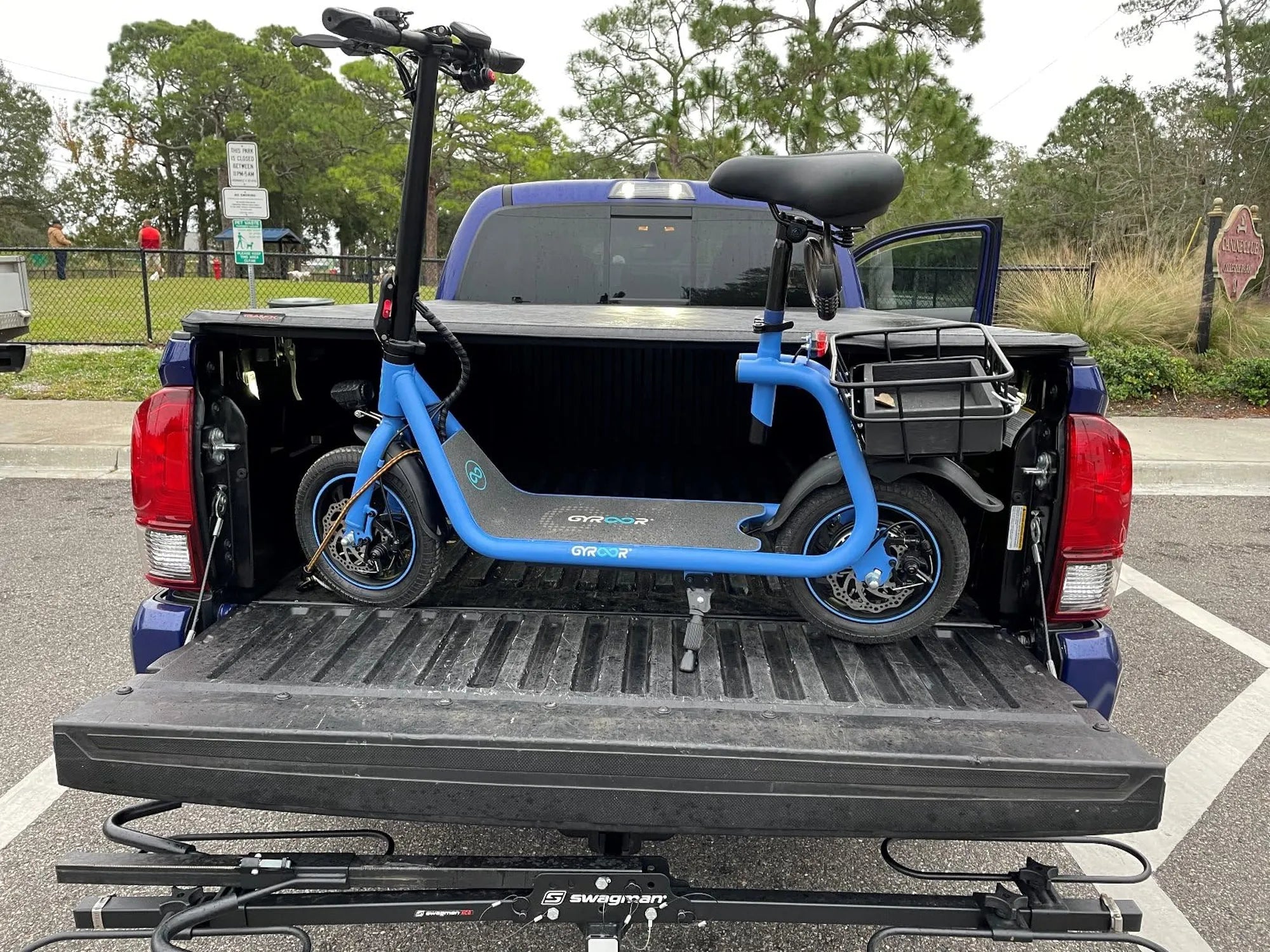
Electric scooters have surged in popularity as a convenient and eco-friendly mode of urban transportation. But have you ever wondered what happens behind the scenes—from the moment they are manufactured to their eventual disposal? The electric scooter life cycle is a fascinating journey that impacts the environment, economy, and society in ways you might not expect. Let’s dive deep into each stage to uncover the full story.
Production: The Birth of an Electric Scooter
The life cycle of an electric scooter begins with its production. This stage involves sourcing raw materials, manufacturing components, and assembling the final product. Key materials include aluminum for the frame, lithium-ion batteries for power, and various plastics for the body and handles. The extraction and processing of these materials have significant environmental footprints, particularly lithium mining, which can lead to water depletion and soil contamination.
Manufacturing facilities consume large amounts of energy, often derived from non-renewable sources, contributing to greenhouse gas emissions. However, some companies are adopting greener practices, such as using recycled materials or renewable energy in production. The carbon footprint of an electric scooter’s production phase is substantial, but innovations in sustainable manufacturing are helping to mitigate these impacts.
Distribution: Getting Scooters to the Streets
Once produced, electric scooters must be transported to their destinations—whether retail stores or shared mobility fleets. This stage involves logistics networks that rely on trucks, ships, and planes, all of which emit CO2. The distribution phase’s environmental impact depends on the distance traveled and the efficiency of the supply chain. Localized production and optimized routing can reduce emissions, but this remains a challenge for global manufacturers.
Usage: The Daily Ride
The usage phase is where electric scooters shine as a sustainable alternative to cars. They produce zero tailpipe emissions and consume far less energy than traditional vehicles. However, their environmental benefits depend on how they are charged. If the electricity comes from coal-fired power plants, the carbon savings are diminished. Conversely, renewable energy sources like wind or solar can make e-scooters even greener.
Maintenance also plays a role in the usage phase. Regular upkeep, such as tire replacements and brake adjustments, extends the scooter’s lifespan and reduces waste. Shared scooters, in particular, face wear and tear from frequent use, but proper maintenance can keep them operational for years.
End-of-Life: Disposal and Recycling
Eventually, every electric scooter reaches the end of its useful life. The disposal phase is critical, as improper handling can lead to environmental harm. Lithium-ion batteries, for example, pose fire risks and can leak toxic chemicals if not recycled correctly. Fortunately, battery recycling programs are emerging to recover valuable materials like lithium, cobalt, and nickel.
The scooter’s frame and other components can also be recycled or repurposed. Aluminum is highly recyclable, and plastics can be processed into new products. However, recycling rates for e-scooters remain low due to logistical and economic barriers. Increasing awareness and improving recycling infrastructure are essential to closing the loop on the electric scooter life cycle.
Innovations and the Future
The electric scooter industry is evolving rapidly, with advancements aimed at extending product life cycles and reducing environmental impacts. Modular designs allow for easy repairs and upgrades, while biodegradable materials are being explored for non-critical components. Some companies are even experimenting with battery-swapping systems to prolong scooter usability.
Policy changes are also shaping the future. Cities are implementing regulations to ensure responsible scooter disposal, and incentives are encouraging manufacturers to adopt circular economy principles. As technology and sustainability practices improve, the electric scooter life cycle will become increasingly efficient and eco-friendly.
From production to disposal, the electric scooter life cycle is a complex interplay of innovation, sustainability, and challenges. By understanding each stage, we can make informed choices—whether as riders, manufacturers, or policymakers—to ensure this popular mode of transportation leaves a positive legacy for generations to come.
Self Balancing Two Wheel Scooter Price in India: A Complete Buying Guide
How Fast Can a 500W Electric Scooter Go? Exploring Speed and Performance