



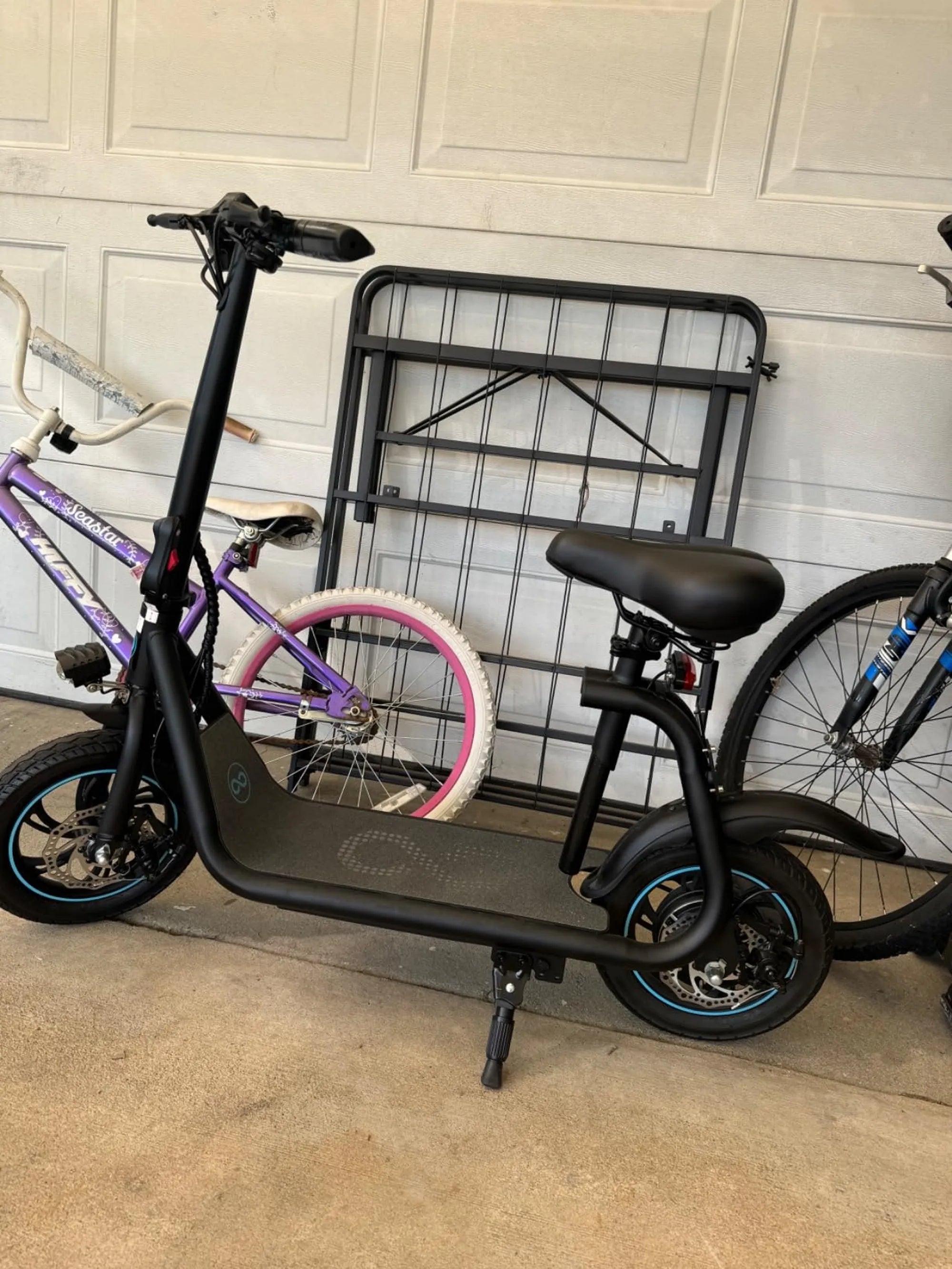
Imagine a world where your daily commute is seamless, eco-friendly, and hassle-free. Electric scooters are revolutionizing urban transportation, but their true potential lies in one critical factor: electric scooter location. From reducing traffic congestion to promoting sustainable travel, the ability to track and manage scooter locations is reshaping how cities function. Let’s dive into how this technology is changing the game.
The Rise of Electric Scooters in Urban Landscapes
Electric scooters have exploded in popularity over the last decade, offering a convenient and affordable alternative to traditional transportation. Their compact design and zero-emission operation make them ideal for crowded cities. However, the key to their success isn’t just the scooters themselves—it’s the ability to pinpoint electric scooter locations in real time.
How Electric Scooter Location Technology Works
Modern electric scooters are equipped with GPS and IoT (Internet of Things) sensors that transmit their location data to centralized systems. This allows operators and riders to:
- Locate available scooters via mobile apps
- Monitor scooter distribution across the city
- Optimize fleet management and maintenance
These advancements ensure that scooters are always where they’re needed most, reducing downtime and improving user experience.
The Impact on Urban Mobility
By leveraging electric scooter location data, cities can address some of their biggest challenges:
- Reduced Traffic Congestion: Scooters provide a last-mile solution, easing the burden on public transit and roads.
- Lower Carbon Footprint: Electric scooters produce no emissions, contributing to cleaner air.
- Improved Accessibility: Real-time location data ensures scooters are available in underserved areas.
Smart Cities and the Role of Location Data
Forward-thinking cities are integrating electric scooter location systems into their smart city initiatives. By analyzing scooter movement patterns, urban planners can:
- Identify high-demand zones for infrastructure improvements
- Adjust public transit routes to complement scooter usage
- Implement dynamic pricing to balance supply and demand
This data-driven approach ensures that transportation networks are efficient and equitable.
Challenges and Future Innovations
While electric scooter location technology offers immense benefits, challenges remain:
- Privacy Concerns: Balancing data collection with user privacy is crucial.
- Infrastructure Gaps: Cities must invest in dedicated lanes and parking zones.
- Battery Life: Continuous GPS tracking can drain scooter batteries faster.
Future innovations, such as AI-powered routing and solar-charging stations, could address these issues and further enhance the system.
The era of electric scooter location intelligence is just beginning. As cities embrace this technology, we’re moving closer to a future where transportation is smarter, greener, and more accessible than ever before. Ready to hop on board?
Electric Scooter Battery: The Ultimate Guide to Performance and Longevity
Electric Scooter for Adults South Africa: The Ultimate Urban Commuting Solution