


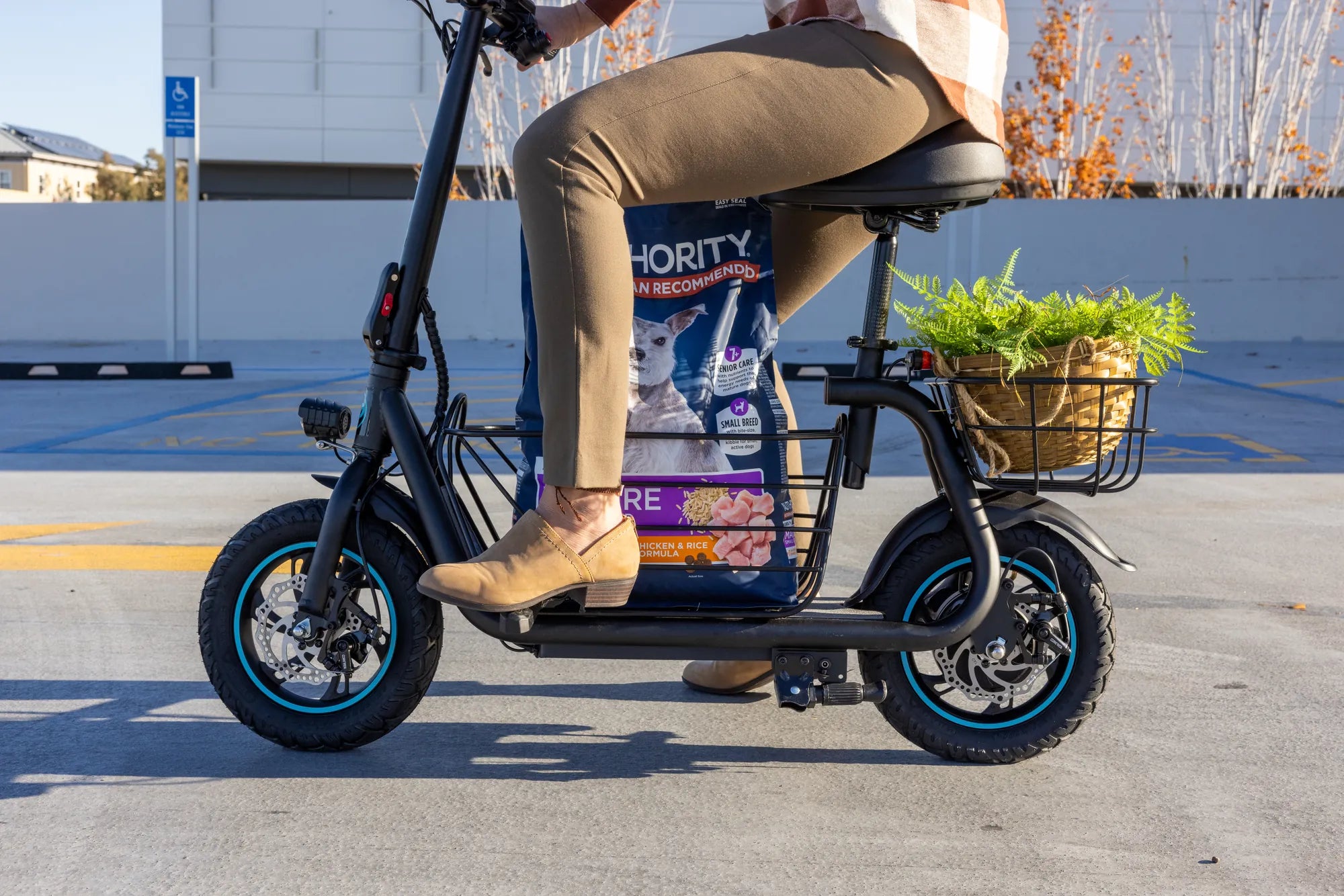
The dawn of 2026 has ushered in a wave of innovation and transformation in the electric scooter industry, with January alone delivering jaw-dropping advancements and policy changes. From AI-powered safety features to city-wide infrastructure upgrades, the electric scooter landscape is evolving at breakneck speed. Buckle up as we dive into the most exciting developments this month.
Revolutionary Tech Takes Center Stage
This January, electric scooters are smarter than ever. Manufacturers have introduced AI-driven collision avoidance systems that analyze real-time traffic data to prevent accidents. These systems use advanced sensors and machine learning to predict pedestrian movements and adjust speed automatically. Riders can now enjoy a near-autonomous experience, with scooters adapting to urban environments seamlessly.
Battery Breakthroughs Extend Range
Range anxiety may soon be a thing of the past. New solid-state batteries have entered production, offering up to 120 miles on a single charge—a 40% increase over 2025 models. These batteries also charge in under 15 minutes, making them ideal for urban commuters. Cities are responding by installing ultra-fast charging stations at key transit hubs, further boosting adoption rates.
Regulatory Shifts Reshape Urban Landscapes
Several major cities have updated their micromobility policies this month. Speed limits in pedestrian-heavy zones have been reduced to 12 mph, while dedicated scooter lanes are expanding across downtown areas. Notably, Paris has implemented a groundbreaking 'scooter-first' initiative, prioritizing two-wheeled EVs in traffic light sequencing to reduce congestion.
The Rise of Subscription Models
Ownership trends are shifting dramatically. January 2026 saw three major operators launch all-access subscription plans, offering unlimited rides for a flat monthly fee. These programs include maintenance, insurance, and even helmet delivery services—a clear move toward making scooters a primary transportation method rather than a last-mile solution.
Weather-Resistant Designs Dominate
With climate change bringing more extreme weather, this year's models feature waterproofing that withstands torrential rains and self-heating grips for sub-zero temperatures. These innovations are particularly impactful in Nordic cities where scooter usage previously dropped by 60% during winter months.
Safety Innovations Save Lives
New EU regulations mandate built-in emergency braking systems and automatic headlight adjustment based on ambient light. Early data shows these features have reduced nighttime accidents by 28% compared to last January. Some models now even deploy airbags upon detecting an imminent collision.
Infrastructure Investments Accelerate
Over $2 billion in global infrastructure spending was announced this month specifically for micromobility. Projects include elevated scooter highways in Singapore and solar-powered charging docks in Dubai. These investments signal a long-term commitment to integrating scooters into urban transit ecosystems.
The Sharing Economy Gets Smarter
Geofencing technology has reached new heights, with scooters now automatically returning to designated parking zones when idle for more than 30 minutes. This solves the notorious 'sidewalk clutter' problem while optimizing fleet distribution. Users who comply with parking rules earn ride credits—a win-win for cities and riders alike.
What's Next for Electric Scooters?
As January 2026 draws to a close, industry analysts predict even more disruptive changes ahead. Rumors swirl about hydrogen-powered prototypes and scooter-to-vehicle communication systems that could debut by spring. One thing's certain: the electric scooter revolution is just hitting its stride, and the road ahead looks electrifying.
Double Black Diamond Mountain Biking: The Ultimate Thrill for Adrenaline Junkies
China Fastest Electric Mountain Bike: Speed, Power, and Adventure