



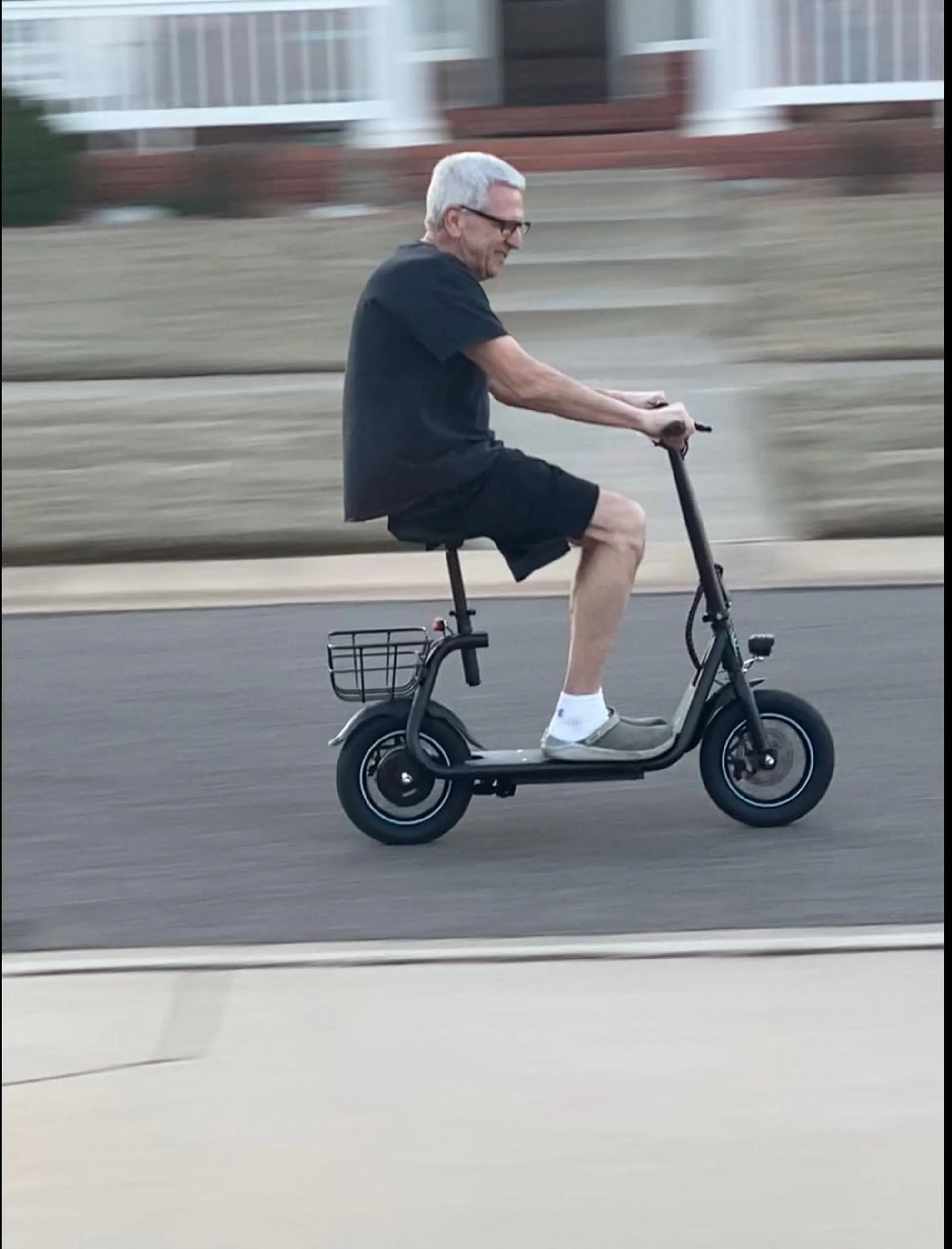
Few things are as frustrating as plugging in your electric scooter for a full charge, only to find it completely unresponsive when you’re ready to ride. Whether you rely on it for commuting or leisure, a non-functioning scooter can throw a wrench in your plans. But before you panic or consider costly repairs, let’s explore the most common reasons why an electric scooter might not work after charging—and how you can fix it yourself.
Battery Issues
The battery is the heart of your electric scooter, and if it’s not holding a charge, your scooter won’t move. Here are some potential battery-related problems:
- Dead Battery: Over time, batteries degrade and lose their ability to hold a charge. If your scooter is older, the battery may need replacement.
- Loose Connections: Check the battery terminals for corrosion or loose wires that could disrupt power flow.
- Faulty Charger: Sometimes, the issue isn’t the battery but the charger itself. Test with another compatible charger if possible.
Charging Port Problems
A damaged or dirty charging port can prevent your scooter from charging properly. Inspect the port for debris, bent pins, or signs of wear. Cleaning it gently with compressed air or a soft brush might help.
Controller Malfunction
The controller regulates power from the battery to the motor. If it fails, your scooter won’t start, even with a full charge. Look for burnt smells or visible damage, and consider professional assistance if you suspect a controller issue.
Motor Troubles
A faulty motor can also leave your scooter unresponsive. Listen for unusual noises when attempting to start the scooter, and check for loose wiring around the motor housing.
Software or Firmware Glitches
Some electric scooters rely on software to function. A glitch or outdated firmware could cause startup failures. Check the manufacturer’s website for updates or reset instructions.
Safety Features Locking the Scooter
Many scooters have safety mechanisms that prevent operation under certain conditions, such as low battery voltage or overheating. Consult your user manual to see if a reset or specific sequence is needed to unlock the scooter.
DIY Troubleshooting Steps
Before seeking professional help, try these steps:
- Ensure the scooter is properly charged (some models require a specific charging duration).
- Check all connections, including the battery, motor, and controller.
- Inspect the fuse or circuit breaker, if applicable, and replace if blown.
- Reset the scooter by turning it off, waiting a few minutes, and restarting.
When to Seek Professional Help
If you’ve tried all the basic fixes and your scooter still won’t work, it might be time to consult a technician. Electrical components can be complex, and improper handling could cause further damage.
Don’t let a non-working electric scooter ruin your day—many issues are fixable with a little patience and know-how. By systematically checking each potential problem, you can often identify and resolve the issue without spending a fortune. Get back on the road with confidence by tackling these common charging-related problems head-on!
Buy High Power Electric Scooter: The Ultimate Guide to Choosing the Best Ride
20 mph electric scooter uk: The Ultimate Guide to Speed and Safety