

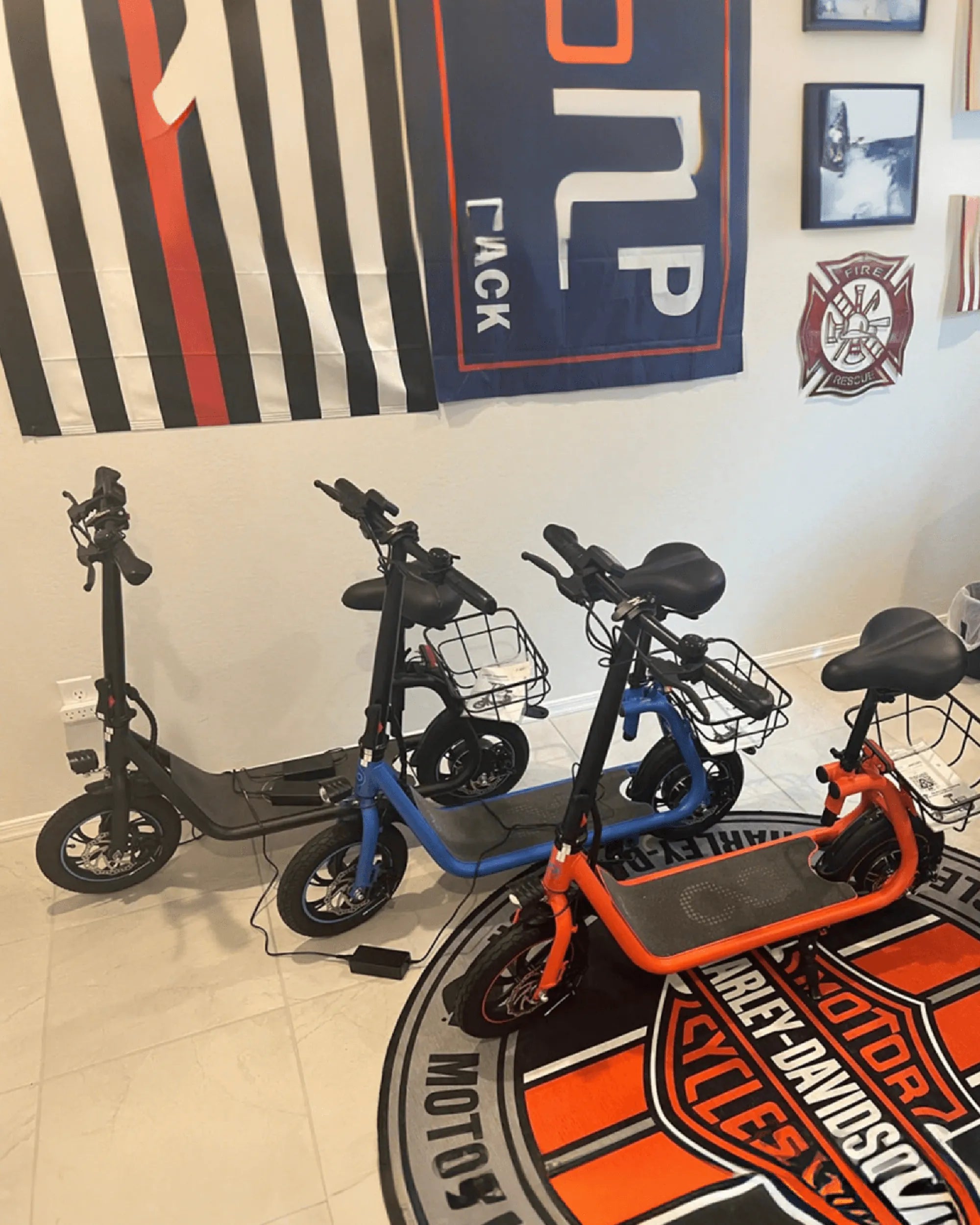
Electric scooters have revolutionized urban mobility, offering a convenient and eco-friendly way to navigate busy streets. Whether you're a seasoned rider or a beginner, understanding your electric scooter owners manual is crucial for safety, performance, and longevity. This guide will walk you through everything you need to know to get the most out of your ride.
Why Your Electric Scooter Owners Manual Matters
Your electric scooter owners manual is more than just a booklet—it's your roadmap to safe and efficient operation. Ignoring it can lead to accidents, reduced battery life, or even voided warranties. Here’s why it’s essential:
- Safety First: The manual outlines critical safety precautions, such as weight limits, terrain restrictions, and proper riding posture.
- Optimal Performance: Learn how to maximize battery life, adjust speed settings, and maintain peak efficiency.
- Troubleshooting: Quick fixes for common issues like connectivity problems or sudden power loss are often detailed in the manual.
Key Sections to Review in Your Electric Scooter Owners Manual
Not all manuals are created equal, but most cover these fundamental sections:
1. Assembly and Initial Setup
Before your first ride, ensure your scooter is properly assembled. The manual will guide you through:
- Unfolding and locking mechanisms
- Attaching handlebars or other components
- Charging the battery for the first time
2. Safety Guidelines
Safety should always be your top priority. Your manual will include:
- Recommended protective gear (helmets, knee pads, etc.)
- Speed limits and modes (eco, standard, sport)
- Weather and terrain warnings (avoiding wet or uneven surfaces)
3. Battery Care and Charging
Proper battery maintenance extends your scooter’s lifespan. Key tips include:
- Charging cycles and avoiding overcharging
- Storage recommendations for long periods of inactivity
- Signs of battery degradation and when to replace it
4. Basic Maintenance
Regular upkeep keeps your scooter running smoothly. The manual typically covers:
- Tire pressure checks (for pneumatic tires)
- Brake adjustments and lubrication
- Cleaning and storage tips
5. Troubleshooting Common Issues
When something goes wrong, your manual is the first place to check. Common troubleshooting topics include:
- Power or connectivity problems
- Unusual noises or vibrations
- Error codes and their meanings
Pro Tips for Electric Scooter Owners
Beyond the manual, here are some expert-recommended practices:
- Regular Inspections: Check brakes, tires, and lights before every ride.
- Ride Responsibly: Follow local traffic laws and avoid distractions like headphones.
- Weather Awareness: Rain or extreme temperatures can affect performance and safety.
When to Seek Professional Help
While many issues can be resolved with the manual’s guidance, some problems require professional attention. Contact a certified technician if you encounter:
- Persistent electrical faults
- Major structural damage
- Battery leaks or swelling
Mastering your electric scooter owners manual is the key to a safe, enjoyable, and hassle-free riding experience. From assembly to advanced maintenance, this guide ensures you’re always in control. Ready to hit the road with confidence? Your manual is your best ally—don’t leave home without it!
Self Balancing Board for Kids: The Ultimate Guide to Fun and Safety
Safest Electric Scooter Battery: What You Need to Know for a Secure Ride